What Does Soft Water Feel Like

Ever stepped out of the shower and felt like you couldn’t quite rinse the soap off your skin? That squeaky, almost sticky feeling is the hallmark of hard water. Now, imagine t...
Ever stepped out of the shower and felt like you couldn’t quite rinse the soap off your skin? That squeaky, almost sticky feeling is the hallmark of hard water. Now, imagine the exact opposite: a sensation so smooth and silky it feels like your skin is gliding through a cloud. That, my friend, is soft water.
So, what does it actually feel like?
The first thing you’ll notice is the slipperiness. It’s not a greasy, oily slick, but a gentle, almost liquid-silk glide across your skin. Rinsing soap off under soft water feels different—like the water helps the soap slip away rather than clinging to you.
Have you ever tried to wash a greasy pan with just water and a sponge? Hard water leaves a film, right? Soft water is the opposite: it makes everything feel clean without that residue.
Must Read
Your skin and hair will high-five you
After a soft water shower, your skin feels hydrated and smooth, not tight or dry. You might even forget to reach for lotion—it’s that noticeable. For hair, the difference is wild: it feels lighter, softer, and less frizzy, almost like you just got a salon conditioning treatment.
Think of it like this: hard water is like wearing a wool sweater in the summer—scratchy and clingy. Soft water? That’s your favorite cotton t-shirt, broken-in and perfectly comfy. You don’t realize how much you dislike the scratch until you feel the comfort.
But wait, there’s a weird part too
If you’re used to hard water, soft water can feel alarmingly smooth at first. You might think you haven’t rinsed off all the soap. That’s normal—your brain is just confused because the water isn’t leaving its usual “squeaky clean” signal.
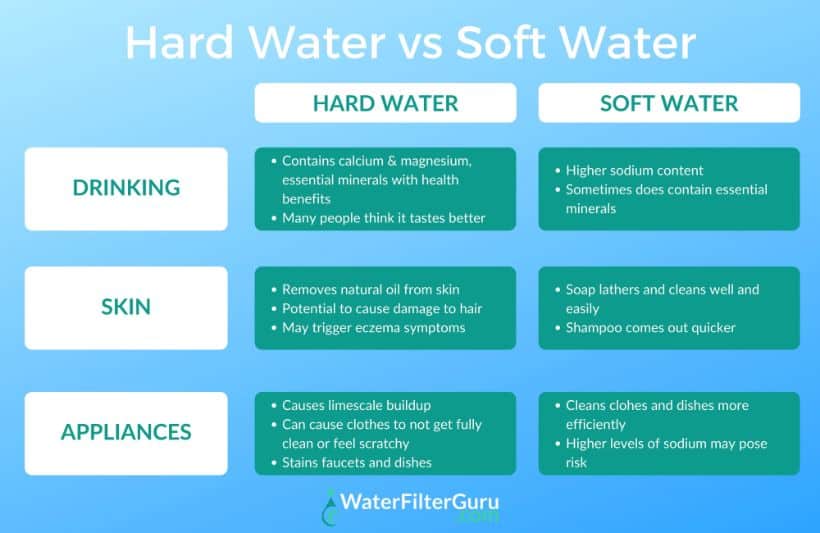 Hard Water And Soft Water Difference | Explora Madeira
And here’s a fun fact: soft water makes soap lather like crazy. A tiny squirt of shampoo creates a mountain of bubbles. You’ll find yourself using half the product you normally do, and your hands will feel like they’re wearing invisible gloves.
A little science, but keep it chill
So why is it so slippery? Soft water has its minerals removed—mainly calcium and magnesium. Those minerals are what make hard water leave spots on glasses and that sticky feeling on skin. Without them, water molecules can slide over your skin more freely.
It’s like the difference between walking on a sandy beach (hard water—gritty, resistant) and walking on a freshly waxed floor (soft water—smooth, effortless). You don’t have to fight the water; you just float in it.
 Soft Water | Benefits & More | KindWater
Is it all rainbows and unicorns?
Honestly, most people love the feel, but it does have a quirk: soft water can taste a little flat or “thinner” than hard water. It’s not bad, just different—like the difference between spring water and distilled water. If you’re a fan of that mineral bite in your tap water, soft water might surprise you.
And for the gardeners out there: your plants might not love it as much as your skin does, since they crave some of those minerals. But for washing, cleaning, and feeling clean? Soft water is like a spa day, every day.
The final verdict
Soft water feels like washing in melted butter—if butter were totally smooth, non-greasy, and somehow refreshing. It’s a sensory experience that makes you wonder why we put up with hard water for so long. Have you ever gotten out of a pool and felt that instant slime on your skin? Soft water is the opposite: clean, silky, and gone.
So next time you visit a friend’s house with a water softener, don’t be alarmed if your hands feel like they’ve been blessed by a cloud. It’s not magic—it’s just science being awesome. And honestly, once you feel it, you’ll start wondering why your own shower doesn’t feel like that. You’ve been warned.
