What Does A Stopcock Look Like

What on Earth is a Stopcock? Let’s be honest. The word “stopcock” sounds like a prank you’d pull in biology class. But it’s actually a very real, very useful little gadget. Yo...
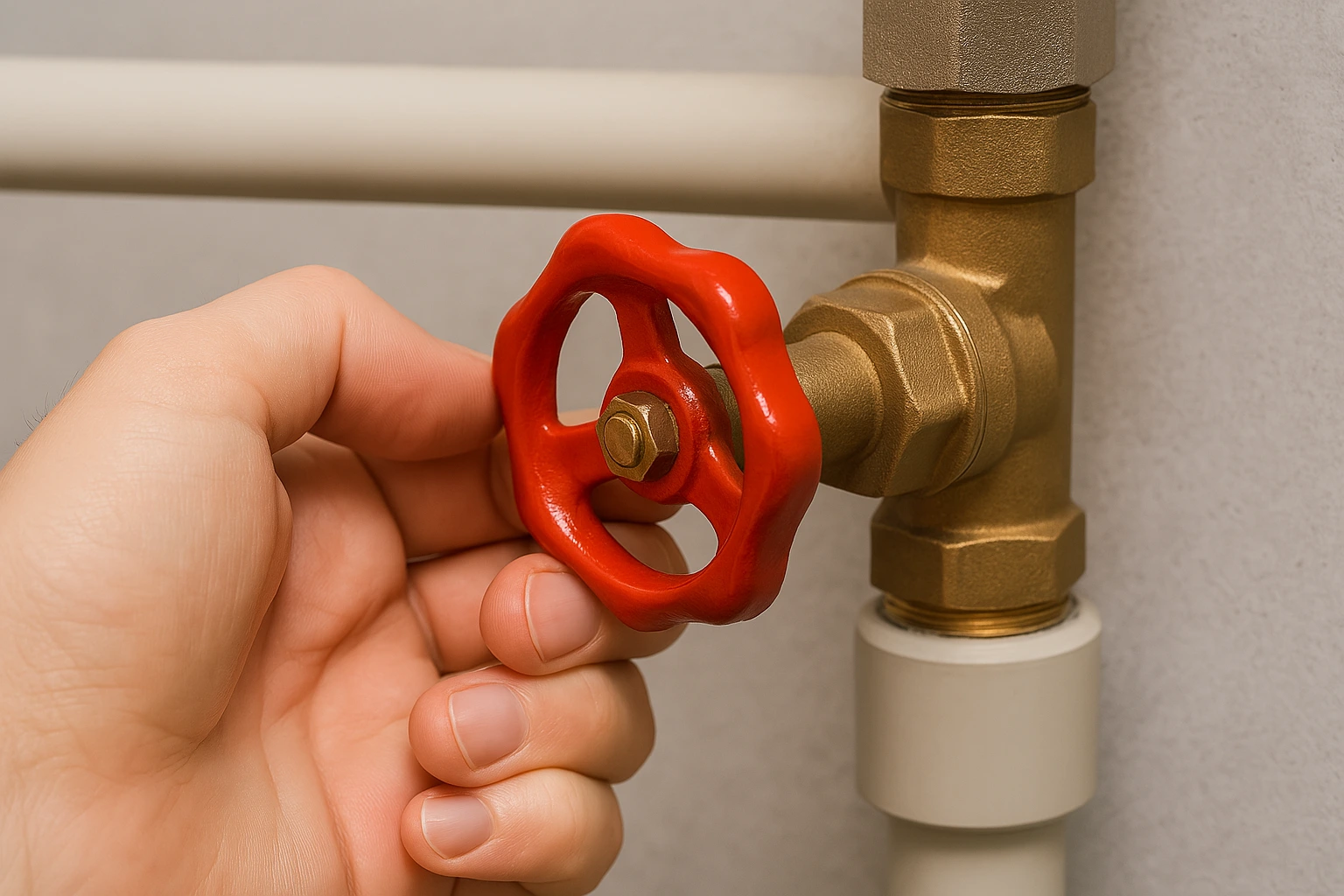
What on Earth is a Stopcock?
Let’s be honest. The word “stopcock” sounds like a prank you’d pull in biology class. But it’s actually a very real, very useful little gadget. You’ve probably touched one today without even realizing it.
Think of it as a tiny, mighty gatekeeper for your pipes. It’s the hero that stops a flood when you’re fixing a leaky faucet. Without it, plumbing would be pure chaos.
The Classic Look: A Simple Handle
Imagine a small metal or plastic knob. Usually, it’s shaped like a little lever or a flat circle. This is the most common stopcock you’ll see on a garden hose or a sink.
Must Read
You twist it one way, and the water flows. Twist it the other way, and poof—the water stops. It’s the most satisfying on/off switch in your house.
Sometimes, the handle is a bright red or blue plastic cross. It looks like a tiny, chunky starfish stuck to a pipe. You can’t miss it, which is the whole point.
The Quirky Cousins: Different Shapes
Not all stopcocks are the same. Some are hidden in plain sight. Look under your kitchen sink. There’s probably a small, round metal valve with a slot on top. That’s a straight stopcock.
It needs a special key or a flathead screwdriver to turn it. Very secret agent of you, isn’t it? You are the only person in the world who knows how to turn off the water for your dishwasher.
Then there’s the angle stopcock. It looks like a metal L-shape with a tiny lever. It’s the little guy that controls the water to your toilet. Give it a quarter turn, and silence.
Why It’s Actually Kind of Beautiful
Let’s talk about the ball valve stopcock. This is the modern, sleek version. It has a straight handle that sticks out from the pipe. When the handle is parallel to the pipe, water flows. When it’s perpendicular, it’s locked tight.
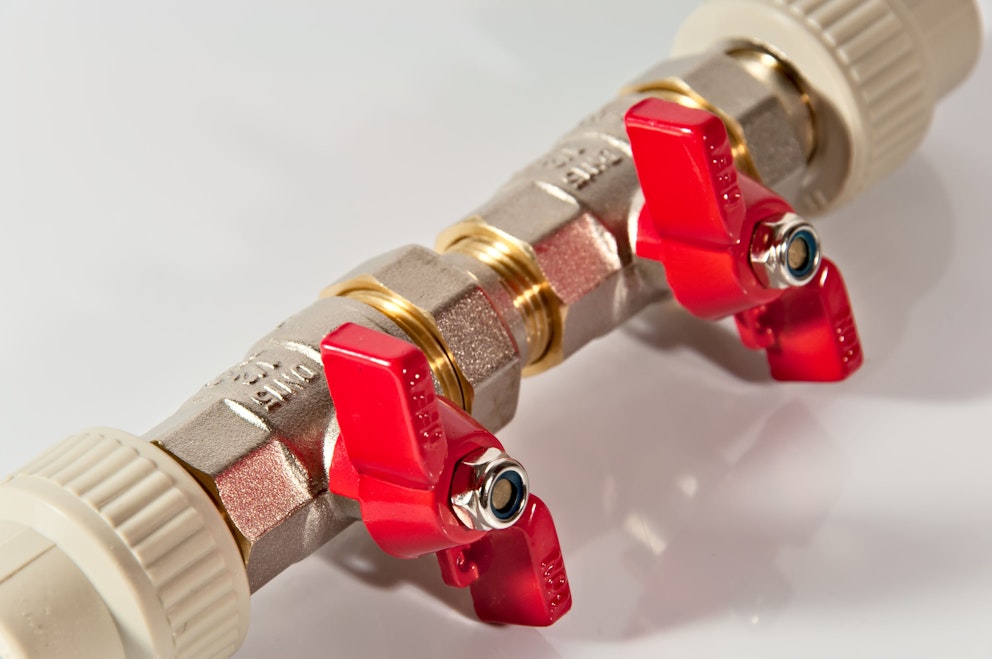 How to find your stopcock
It’s a simple, elegant 90-degree party trick. You can use it with one finger. It feels powerful to turn that little lever and command an entire river of water to stop. You are a water wizard for a moment.
And the oldest type? The spigot. That’s the outdoor faucet with the long, curved spout. You know the one—the one you use to fill up a bucket or spray your little brother. Turning that handle feels like cranking a old-timey machine.
Funny Facts That Will Impress Nobody (But You’ll Love Them)
Did you know a stopcock is also called a faucet? Or a valve? Plumbers love to argue about this. It’s the most boring professional debate you’ll ever hear, and it’s hilarious.
In some old houses, stopcocks are made of solid brass. They are heavy, shiny, and feel like treasure. If you find one, you’ve hit the plumbing jackpot. It will probably outlive your grandchildren.
There is also the dreaded “frozen” stopcock. This is the one that hasn’t been turned in 30 years. It’s stuck. You try to turn it, and your hand slips. You groan. Then you call a plumber. It’s a rite of passage for every homeowner.
How to Spot One in the Wild
Next time you’re in a basement or a utility closet, play a game. Find the stopcock. It will be near the water meter or where the main pipe enters the house. It’s usually the biggest, most obvious valve you see.
Look for a lever or a wheel. It might have a tag that says “Main” or “Shut Off.” If it’s painted over, it’s probably from the 1950s. Give it a gentle nod of respect.
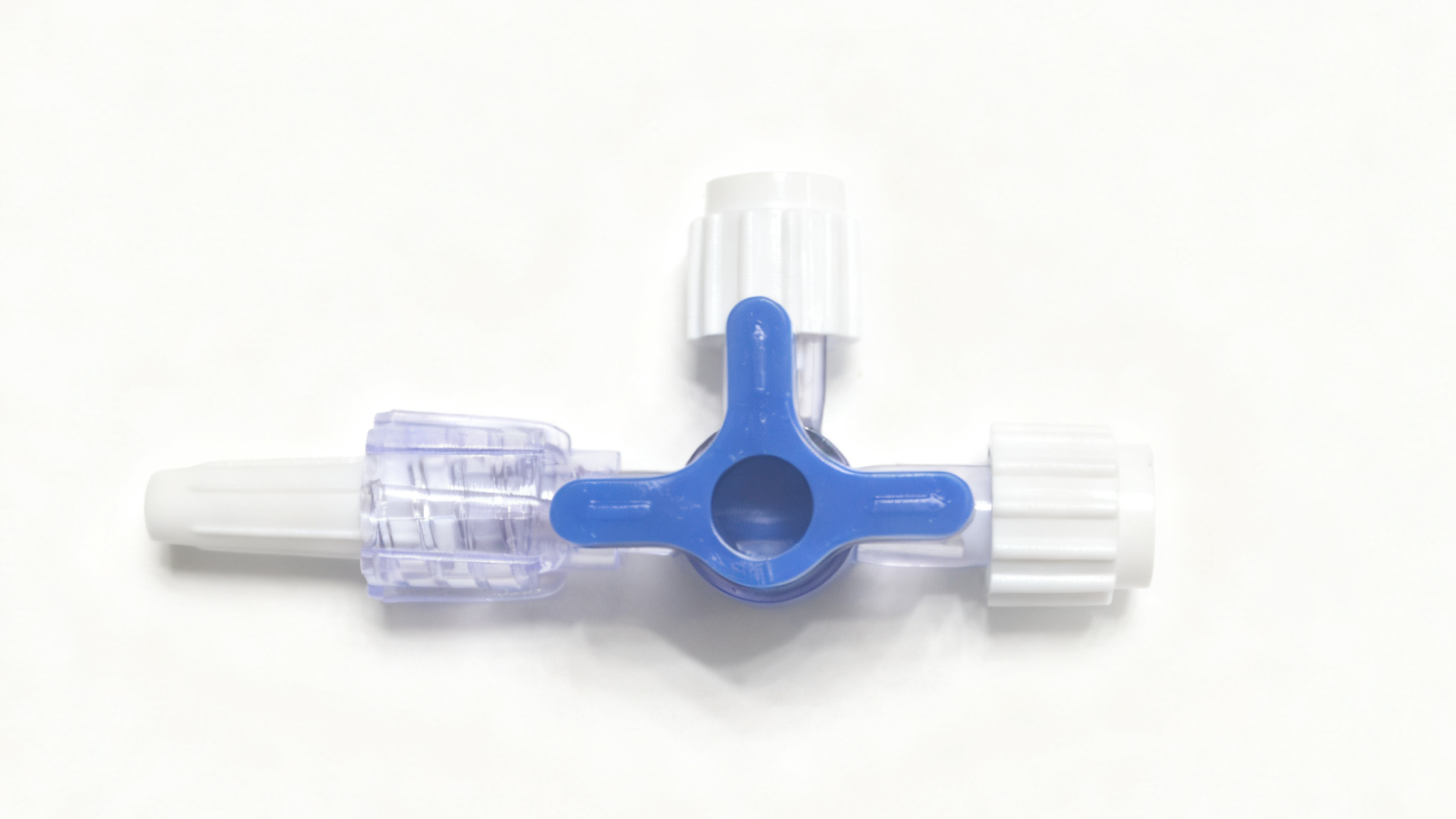 The Medical Stopcock: A Simple Valve with a Critical Job | Seaskymedical
If you see a stopcock with a tiny red handle on a radiator, that’s a thermostatic valve. It controls heat, not water. Yes, stopcocks are multitalented. They are the Swiss Army knives of home utilities.
The Bonus: Why It’s Just Fun to Say
Say it out loud: “Stop-cock.” It sounds like a bird making a sudden stop. “The stopcock stopped the cock.” I’m sorry, I had to. It’s too good.
It’s a word that makes kids giggle and adults smirk. It’s the perfect example of why English is a silly, wonderful language. Even plumbers secretly think it’s funny, but they’ll never admit it.
So next time you turn a knob to get a glass of water, take a second. Appreciate the stopcock. It’s a small, weird, wonderful piece of magic that keeps your world from getting soggy.
The Takeaway
You don’t need to be a handyman to love a stopcock. You just need to be curious. Look under your sink. Find that little lever. Give it a gentle turn (but only if you know where the water goes).
You now know more about stopcocks than 99% of your friends. That makes you the coolest person at the next boring party. Use your power wisely. And maybe, just maybe, go turn one off for fun right now.
Go on. Be a water wizard.
