How Does Water Filtration Work

Have you ever stopped to think about the magic that happens every time you turn on your tap? Clean water isn’t just a convenience—it’s a modern miracle we often take for grant...

Have you ever stopped to think about the magic that happens every time you turn on your tap? Clean water isn’t just a convenience—it’s a modern miracle we often take for granted. And here’s the fun part: the way water filtration works is not only clever, but it’s also surprisingly fun once you get into the science behind it!
Imagine you’re a daredevil on a grand adventure, like a water molecule. Your journey starts in a cloud, falls as rain, and then—ugh—you land in a muddy puddle. That’s when the filtration squad swings into action to clean you up for the big city.
First Up: The Big Sieve
The first step is all about size matters. Think of it like using a colander to drain pasta, but way fancier. Water passes through a screen or a layer of sand and gravel that catches the big, lazy particles—like twigs, leaves, and any surprised bugs.
Must Read
This step is called sedimentation and filtration. It’s the bouncer at the club: “Sorry, leaf, you’re not getting in.” Once the big stuff is out, the water starts looking clearer, but it’s still hiding microscopic hitchhikers.
The Microscopic Invisible Trap
Now we’re getting into the stealth mode of filtration. This is where activated carbon comes in—a super-spongy material that acts like a magnet for nasties. It grabs onto chemicals, like chlorine (which tastes funny) and even some pesticides, by trapping them in tiny pores.
Imagine a million tiny caves that love to hold onto bad smells and icky flavors. That’s your carbon filter. Suddenly, your water doesn’t taste like a swimming pool anymore—it tastes like victory.
The Germ-Slaying Finale
But wait—there might still be bacteria, viruses, and other invisible party crashers. That’s where the terminator steps in. Using either chlorine, ozone, or ultraviolet (UV) light, the water gets a serious zap or a chemical scrub to kill anything alive.
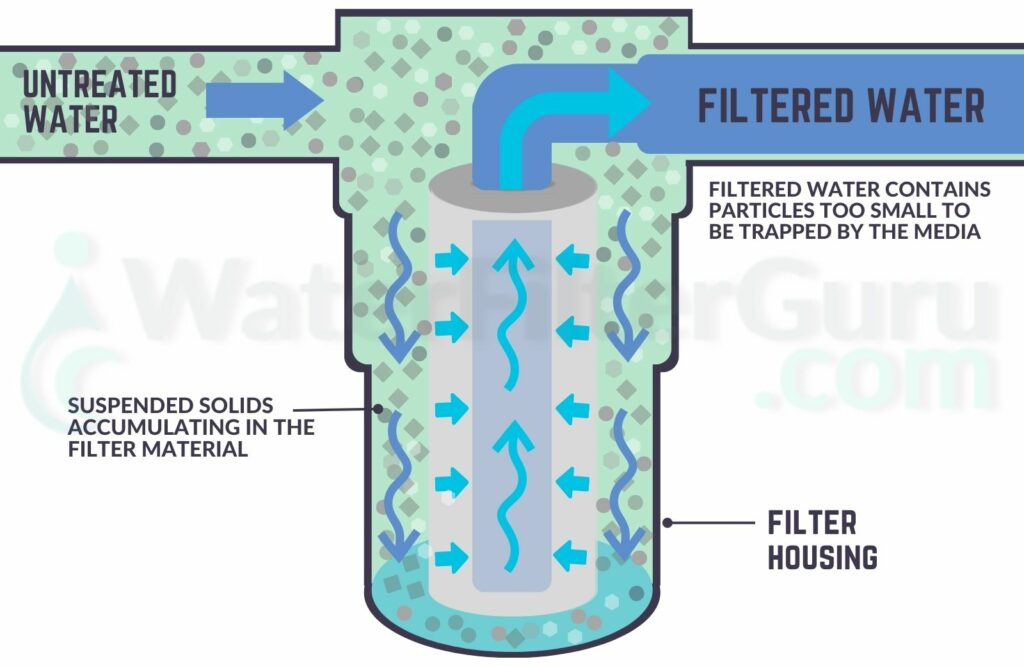 Water Filtration Process Explanation
UV light is like a tiny, high-tech tanning bed for water—only instead of making it tanned, it messes up the DNA of germs so they can’t reproduce. Talk about a glow-up for your drinking glass!
Reverse Osmosis: The Overachiever’s Choice
For the truly paranoid (or the truly fancy), there’s reverse osmosis. This is the Michelin-star of filtration. It forces water through a membrane so thin that only H₂O molecules can squeeze through—leaving behind salts, metals, and even most pesticides.
It’s like a VIP door where only the smallest, purest molecules get the wristband. Sure, it’s a little slow and wastes some water, but wow—does it produce some crisp results.
Why This Makes Life More Fun
Okay, so why should you care? Because understanding filtration turns a boring chore—like filling a pitcher—into a secret superpower. Next time you pour a glass of water, you can smile, knowing you’re holding the victory lap of a long, epic journey through sand, carbon, and UV rays.
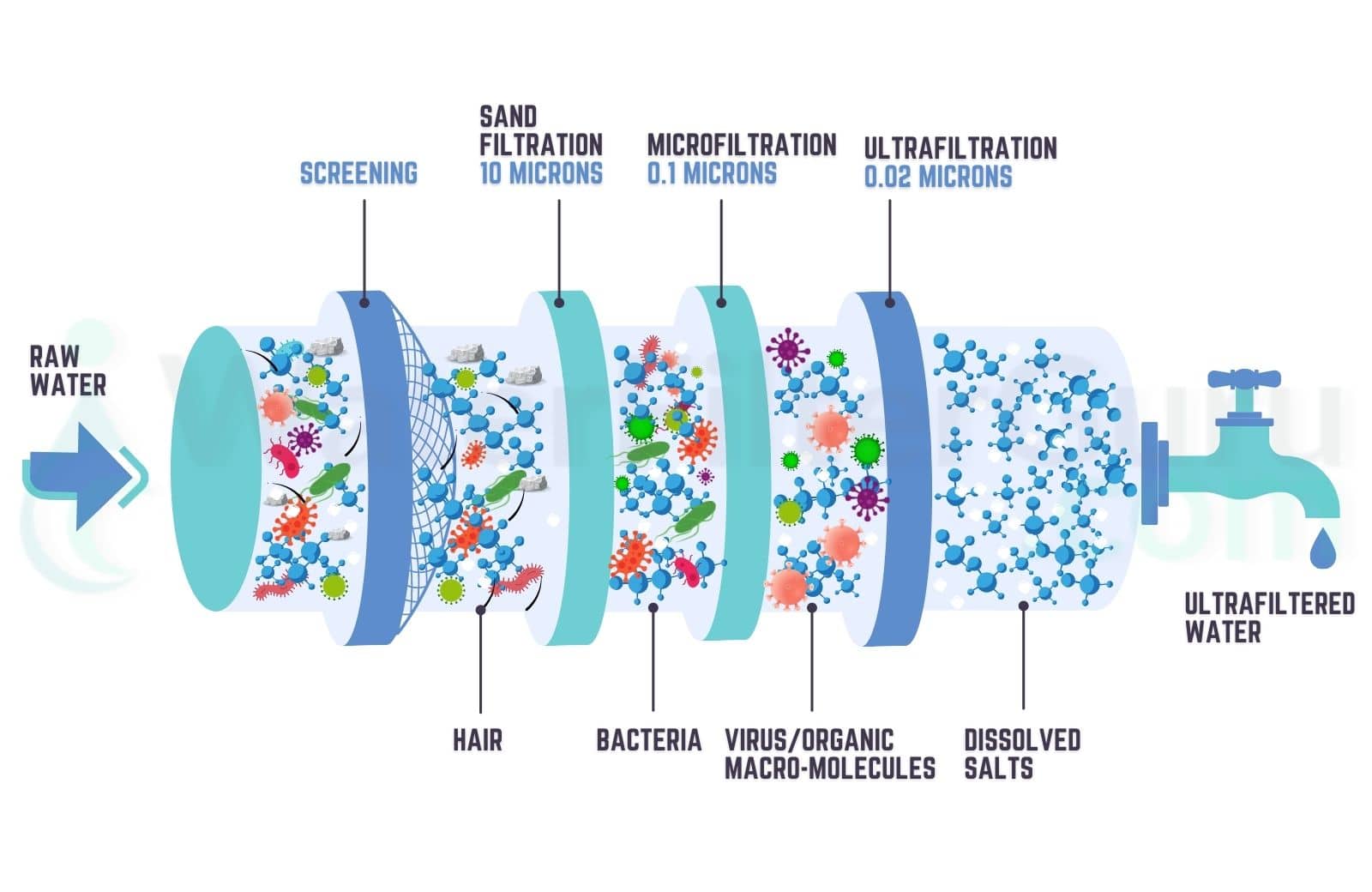 Water Filtration Systems | The 2026 Guide to Water Filters
You can even build your own DIY filter at home! Grab a plastic bottle, some sand, charcoal, and gravel, and make a miniature water-treatment plant in your kitchen. It’s like a science fair project that actually pays off.
And think about this: every time you use a filtered water bottle or a Brita jug, you’re being kind to the planet by not buying single-use plastic. You’re not just hydrating—you’re eco-ing like a hero.
An Uplifting Note to Take Home
Water filtration is a reminder that simple things often hide the most brilliant design. It’s a story of patience, cleverness, and the power of teamwork—between gravity, carbon, and light. And you get to be the final boss who drinks the reward.
So go ahead, fill that glass. Take a sip of something that was once a muddy puddle, then transformed into liquid clarity. Life has a way of filtering out the rough stuff if we give it a chance—just like water. Cheers to you, and to the next sip of inspiration you’re about to discover!
