How Much Lead In Water Is Safe

Let’s be honest—talking about lead in water sounds about as fun as checking your car’s oil. But stick with me, because this is one of those topics that’s way more interesting...
Let’s be honest—talking about lead in water sounds about as fun as checking your car’s oil. But stick with me, because this is one of those topics that’s way more interesting than it sounds, especially once you realize it’s basically about keeping your morning coffee from being a tiny science experiment.
So, how much lead is actually “safe”?
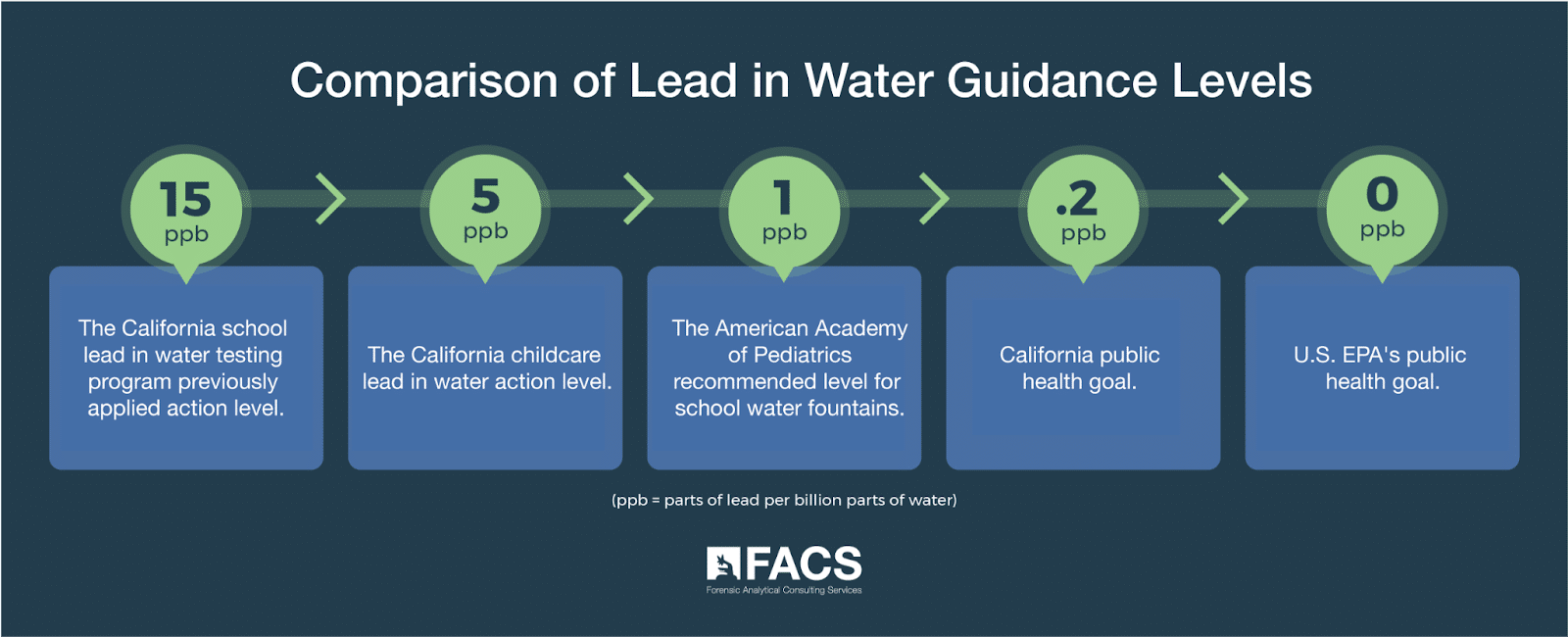
The short, honest answer from health experts is: none. Zero. Zip. Nada. The EPA has set a “maximum contaminant level goal” for lead in drinking water at exactly zero parts per billion—because even tiny amounts can build up over time and cause trouble, especially for kids and pregnant people.
But here’s the practical twist: because lead pipes and old plumbing are still a reality in many homes, the EPA also has an “action level” of 15 parts per billion. That’s not a “safe” number—it’s the number that legally triggers water utilities to take action. Think of it like a speed limit sign that says “slow down or you’ll get a ticket” while the real safe speed is zero.
Must Read
What does 15 parts per billion feel like?
Imagine a single drop of food coloring in an Olympic-sized swimming pool. That’s one part per billion. So, 15 parts per billion is like 15 drops in that same giant pool. Sounds tiny, right? But your body doesn’t have a swimming pool—it has a bloodstream, and lead loves to stick around in bones and tissues for decades.
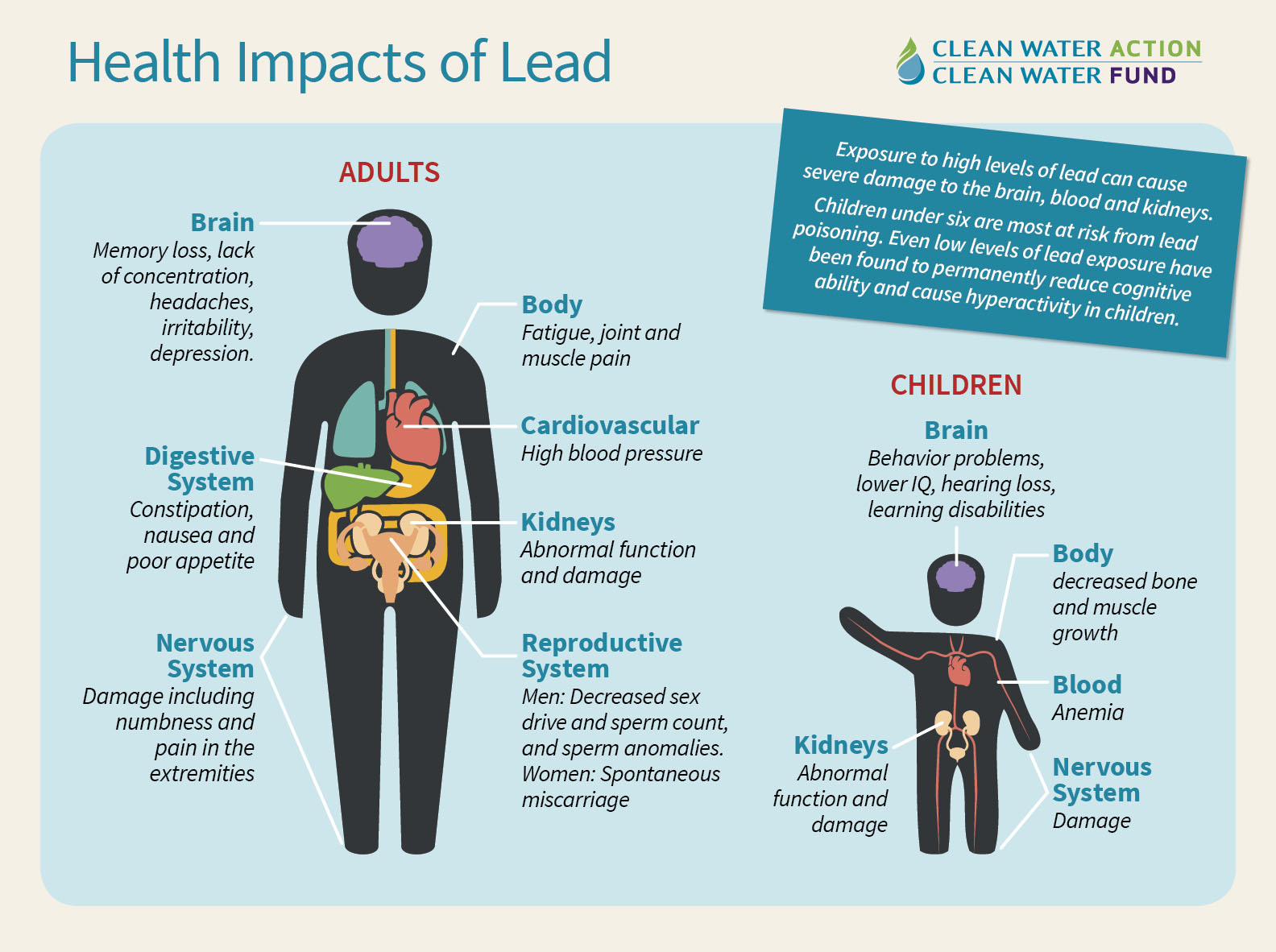
That’s why even trace amounts matter. It’s not about getting sick overnight, like a bad burrito. It’s about slow, sneaky accumulation—like leaving a wet towel on the floor every day. Nothing happens at first, but after a month, you’ve got a science project growing.
Why should you care (beyond the obvious)?
Picture this: you wake up at 6:45 AM, groggy, and make your coffee. That first sip is heavenly. But if your home has older pipes, that water sat in the pipes all night, quietly soaking up lead like a sponge in a dirty sink. You’re not just drinking water—you’re sipping yesterday’s pipe sweat.
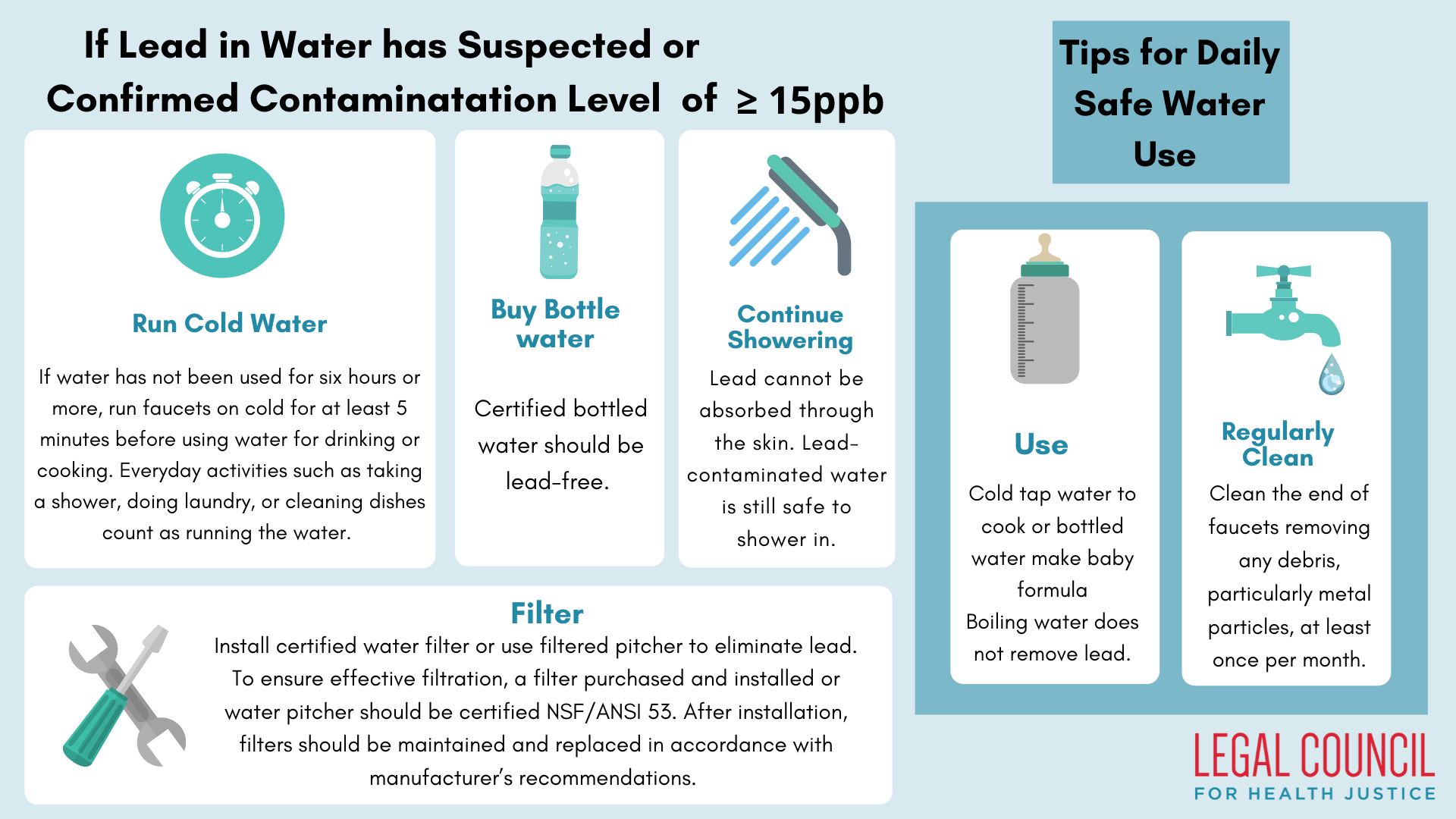
Tap water that sits for hours (think overnight or while you’re at work) has higher concentrations of lead because the metal has more time to leach into the water. The fix is hilariously simple: let the tap run for 30 seconds to a minute before using it for drinking or cooking. It’s basically a “pre-rinse” for your pipes.
 Lead In Water
A little story to make it stick
My friend Claire lives in a charming 1920s bungalow with original cast-iron pipes—and she’s obsessed with her vintage kitchen faucet. But last year, her toddler started having mysterious stomachaches. A quick water test showed lead at 12 parts per billion. Not alarming alone, but combined with old paint dust and a curious kid? It was a slowly boiling pot. She now uses a simple filter pitcher and runs the tap before filling it. No more tummy troubles, and the faucet still looks cute.
The lesson? You don’t need to panic—you just need a little awareness and a few easy habits. That’s way better than worrying every time you swallow.
How to check if your water is okay
First, check the age of your home. If it was built before 1986, you probably have some lead solder or pipes. If it was built before 1950, you almost definitely have lead service lines. This isn’t a judgment call—it’s just history. Old homes have character, and old pipes have lead.
Second, get your water tested. You can buy an affordable test kit at a hardware store or contact your local health department. Some even offer free tests. It’s like checking the tire pressure on your car—takes ten minutes and can save you from a slow, invisible flat tire on your health.
And if you have kids or a baby? Test immediately. Why risk it? Kids’ growing brains absorb lead four to five times more efficiently than adult brains. That’s not fear-mongering—that’s biology wearing a very serious face.
 High Levels Of Lead In Water at Jared White blog
What you can do right now (without a lab coat)
Run the tap for 30 seconds first thing in the morning. Do it while you brush your teeth or while your coffee brews. Make it a habit, like checking your pockets before you leave the house.
Use cold water for drinking and cooking. Lead dissolves much faster in hot water. So don’t use hot tap water for baby formula, soup, or even pasta. Yes, that includes your instant ramen. Sorry, hot water from the tap is not your friend here.
Consider a certified lead-removing filter. Look for NSF/ANSI Standard 53 certification. It’s not a huge expense, and it gives you peace of mind. Think of it as a little helmet for your glass of water.
The bottom line, in plain terms
There is no safe level of lead in your drinking water. But “no safe level” doesn’t have to mean “constant panic.” It just means we care enough to flush the tap, test the water, and maybe buy a filter. It’s like brushing your teeth—you don’t do it because you’re scared of cavities every single second; you do it because it’s a normal, easy way to protect something valuable.
So go ahead, fill your kettle, have your coffee, and don’t stress. Just give that faucet a quick little run first. Your future self (and your taste buds) will thank you. And hey, now you’ve got a conversation starter for that next neighborhood block party: “So, how much lead is really in your water?” Instant hit. You’re welcome.
