How Much To Drill A Water Well

So you’ve decided to drill a water well. Maybe you’re tired of the municipal water bill, or you dream of an off-grid homestead where your garden thrives on your own terms. Wha...
So you’ve decided to drill a water well. Maybe you’re tired of the municipal water bill, or you dream of an off-grid homestead where your garden thrives on your own terms. Whatever the reason, you’re about to ask a question that feels both ancient and oddly modern: how much does it actually cost? Let’s dig in—pun very much intended.
The Price Tag: More Than Just a Hole in the Ground
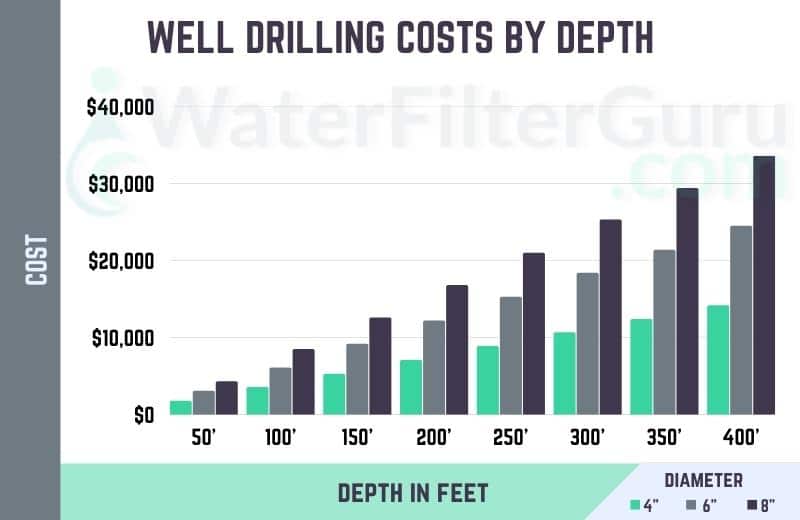
First, the headline number: a residential water well typically costs between $3,500 and $15,000 for a basic installation. But don’t let that range lull you into complacency—some projects easily climb past $30,000 depending on depth, geology, and your local regulations.
Think of it like buying a car: you can get a reliable sedan, or you can order a luxury SUV with all the bells and whistles. The average well depth in the U.S. is around 100 to 300 feet, but in areas like the Rocky Mountains or parts of Texas, you might need to go 500 feet or more to hit a steady aquifer.
Must Read
Here’s a fun fact: the world’s deepest water well is the Kola Superdeep Borehole in Russia—it reaches over 40,000 feet. Unless you’re drilling through bedrock for a science experiment, stick to the shallow end of the pool.
What Breaks Down the Cost (And What Breaks Your Budget)
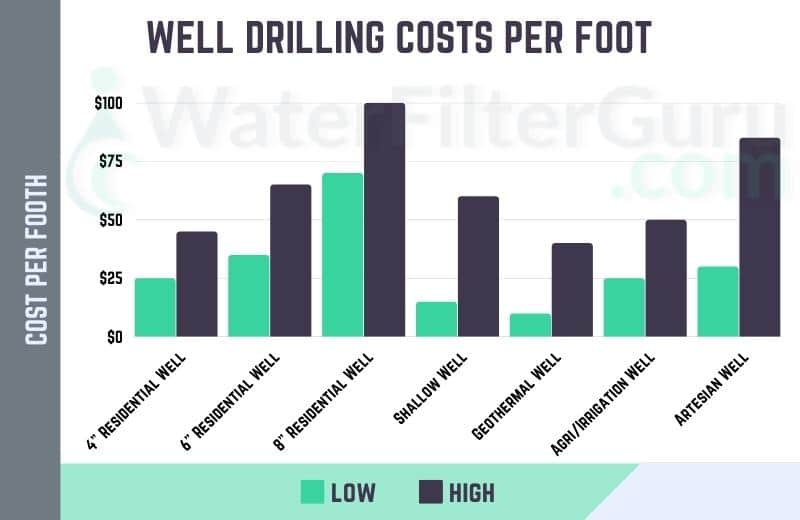
Drilling itself is the headline act, but there’s a whole supporting cast of costs. A standard per-foot rate ranges from $25 to $60, but that’s just for the hole. You’ll also need a casing (steel or PVC lining), a well cap, a pump, and a pressure tank to push water into your home.
Add in permits, which can cost $200 to $800 depending on your county, plus a water quality test for safety. Some states require a yield test to measure how fast your well refills—essential if you plan to irrigate a lawn the size of a football field.
One hidden gem: drilling companies often charge a mobilization fee to bring their rig to your property. If you live in the middle of nowhere, that fee might be $500 to $2,000 alone. Always get three quotes and ask if the price includes the first 50 feet of casing—some firms do, some don’t.
The Geology Lottery: Rocks, Sand, and Water
Your local geography is the wild card. Soft soil (think Florida or the Mississippi Delta) is a dream to drill through and keeps costs low. But hit solid granite (hello, New England) and you’re paying extra for heavy-duty bits and slower progress.
 Drill Cost Per Hole at Kevin Davidson blog
Aquifers—those underground water reservoirs—come in two flavors: confined and unconfined. Confined aquifers sit between rock layers and often produce cleaner, more consistent water. Unconfined ones are closer to the surface but more vulnerable to drought or contamination.
Fun fact: the world’s largest aquifer, the Great Artesian Basin in Australia, holds enough water to cover the entire planet in 1.8 inches of water. Your well won’t tap into that (it’s a bit far), but it’s nice to know the scale of nature’s plumbing.
Practical Tips for the Modern Well-Digger
Tip #1: Don’t just call one driller. Call three and ask for references from neighbors who drilled in the last five years. A good driller knows the local geology like a sommelier knows wine regions.
Tip #2: Check your county’s well setback requirements. You can’t drill within 50 feet of a septic tank or 100 feet of a livestock pen. One homeowner in Colorado had to move their planned well site twice because of buried oil tanks—that added a cool $4,000 in survey fees.
Tip #3: Think about future maintenance. Well pumps typically last 8 to 15 years, and replacement costs range from $1,200 to $2,500. Set aside a small yearly savings fund—call it your “water whisperer” budget.
 2025 Well Drilling Costs | Average Water Well Installation Cost
A Cultural Nod: Well-Wishing Traditions
Drilling a well isn’t just infrastructure; it’s a ritual that crosses cultures. In ancient Mesopotamia, wells were considered gateways to the underworld. In Ireland, “well-dressing” festivals decorate springs with flowers to honor water spirits. And in the American South, rural communities often host a “well-warming” party when a new well is capped—complete with iced tea from the first draw.
You don’t have to throw a party, but you should absolutely toast the first glass of water. It’s carbon-neutral, chemical-free, and tastes like victory.
The Bottom Line: Is It Worth It?
For an average household using 80 gallons of water per day, a well can pay for itself in 3 to 7 years versus municipal water bills. Plus, you get bragging rights for your home’s resilience during droughts.
But here’s the reflection: water is the one resource we cannot substitute. Every time you turn on that tap, you’re drawing from a reservoir that formed centuries ago. Drilling a well is a bet on permanence—a quiet, grounded statement that you’re in it for the long haul.
So, how much to drill a water well? Enough to make you blink, but not enough to drown your dreams. And when you finally hold that first cold glass of your own water, you’ll understand why settlers, farmers, and modern homesteaders have always known: some investments are worth digging for.
