What Is Meant By Water Quality

So, let’s talk about water. Not the fancy, fizzy kind in a glass bottle—I mean the stuff that comes out of your tap, rushes down rivers, and, well, makes up about 60% of your...

So, let’s talk about water. Not the fancy, fizzy kind in a glass bottle—I mean the stuff that comes out of your tap, rushes down rivers, and, well, makes up about 60% of your grumpy morning self. You’ve probably heard the term water quality thrown around. But what does it actually mean?
It’s not just if your water looks clear or tastes like a swimming pool. Water quality is a snappy way of saying “how clean and safe is this water for what I want to do with it?” You wouldn’t drink from a puddle, right? But you might splash in one. That’s quality in action.
The Big Three: What’s Actually in Your Glass?
Think of water quality like a report card. It doesn’t just get one grade—it gets a bunch of them. The main subjects? Physical, chemical, and biological stuff. Yes, biology is in your water. Don’t panic.
Must Read
Physical stuff is what you can see and feel. Is it cloudy? Does it smell like a wet dog? That’s physical quality. Temperature counts too—ice-cold water tastes different than lukewarm, right?
Chemical stuff is the invisible army. We’re talking pH levels, dissolved minerals like calcium (hello, hard water), and nasty things like lead or chlorine. Your water can look perfect but be chemically angry.
Then comes biological. This is the wild card. Bacteria, viruses, tiny parasites that would love to ruin your weekend. That’s why we treat water. You don’t want roommates you can’t see.
So, Who Decides What’s “Good”?
Good question! And the answer is a little squishy. Water quality is relative. Seriously. Water that’s perfect for your goldfish might be gross for you.
For drinking, we use standards set by groups like the WHO or your local government. They say, “This level of lead is okay; this level is not.” It’s like a speed limit for pollution. Confusingly, “good quality” means “these harmful things are low enough not to hurt you.” Yay?
But for swimming? The bar is lower. For farming? It depends on the crop. For a fancy spa? They want zero smell and a specific mineral mix. Context is king, my friend.
 Marine Ecosystem Health Signals: Reading Nature's Warning Signs
The Usual Suspects: What Messes It Up?
Okay, let’s blame a few things. Nature is one. Rocks can leach arsenic into groundwater. Algae blooms happen. That’s not your fault, but it is your problem.
Humans are the real stars of the show. We dump industrial waste, fertilizer from lawns, and, yes, sewage into water. Oh, and microplastics. Tiny, angry plastic bits from your fleece jacket? They’re in there. Sorry.
Then there’s old pipes. Even if the source is pristine, your home’s pipes—if they’re ancient lead or copper—can wreck the party. Ever tasted metallic water? That’s pipes being rude.
But What If It Just Looks Clean?
Here’s a trick question: Can you trust clear water? No. Crystal-clear water can be loaded with dissolved arsenic or bacteria. It’s the wolf in sheep’s clothing of drinks.
On the flip side, brownish water from a river? It might just have natural tannins from leaves. It’s gross-looking but safe to swim in. Looks can be really deceiving.
That’s why we use tests. You can buy a simple home kit, or you can check your city’s annual water quality report. It’s boring, but it’s the truth.
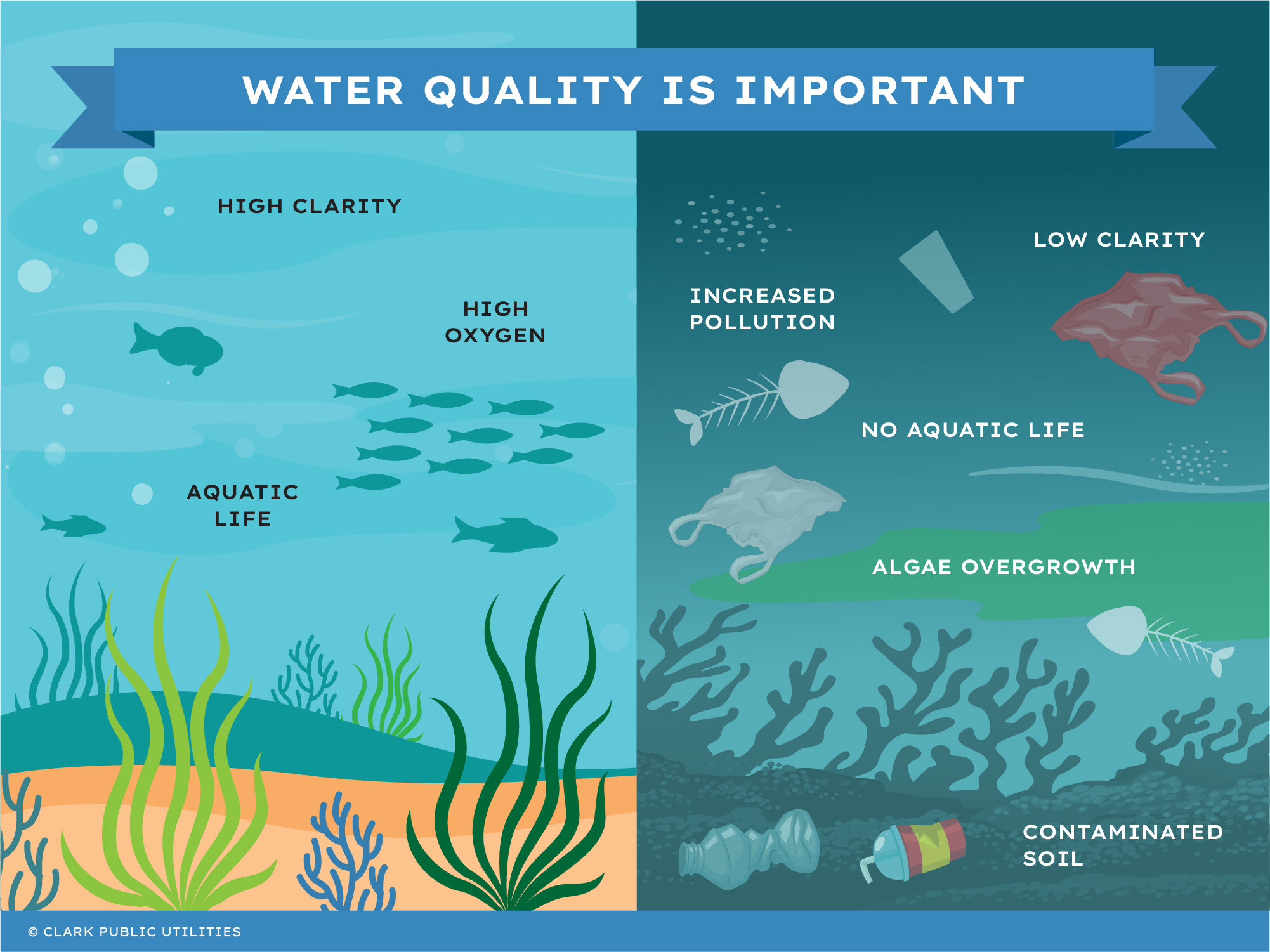 Water Quality Definition In English - Infoupdate.org
Why Should You Care? (A Quick Pep Talk)
Because you drink it. Because you shower in it. Because your coffee is 98% water. Bad quality = bad coffee. That’s a tragedy.
Also, water quality affects your skin, your gut, and your plumbing. Hard water leaves white scum on your showerhead. Contaminated water can make you sick for a week.
And on a bigger scale? The world cares because one billion people don’t have good quality water. It’s a privilege, not a guarantee. Feeling fancy yet?
The Bottom Line (Because We Need One)
Water quality is a spectrum. It’s not “good” or “bad”—it’s “good for this purpose.” The next time you sip from your tap, think about all the invisible tests it passed. Or didn’t pass. Ew.
So, check your local report. Maybe get a filter if you’re nervous. And remember: if your water tastes like a pencil eraser, that’s a hint. Don’t ignore the hints.
Now go drink some water. Preferably the safe kind. You earned it.
