What Is Bpa Free Bottled Water

So, picture this: me, standing in the grocery aisle, holding two identical-looking water bottles. One had a fancy label screaming “BPA Free!” in bold. I bought it, feeling smu...
So, picture this: me, standing in the grocery aisle, holding two identical-looking water bottles. One had a fancy label screaming “BPA Free!” in bold. I bought it, feeling smug and superior—like I’d just saved my future self from a lab experiment gone wrong. Spoiler alert: I had no clue what BPA actually was, and you probably don’t either.
Let’s cut the marketing fluff and get real. BPA stands for Bisphenol A, an industrial chemical used to harden plastics. It’s been around since the 1960s, lurking in water bottles, food cans, and even that cash register receipt you just shoved in your pocket. Charming, right?
Here’s the kicker: BPA is a hormone disruptor. It mimics estrogen in your body, which sounds like science fiction until you realize it’s been linked to everything from fertility issues to heart trouble. No big deal, just your water bottle ghosting your endocrine system.
Must Read
So, “BPA Free” is the plastic industry’s way of saying, “We swapped out the sketchy one for a slightly less sketchy one.” Don’t get too comfy, though. The replacements—BPS and BPF—might be just as dodgy, but we’ll get to that trainwreck later.
Why Do We Even Care About Plastic Water?
Honestly, because we’re all just trying to be healthy without reading a chemistry textbook. You grab a bottle, see “BPA Free,” and breathe a sigh of relief. Congrats, you’ve dodged a bullet—maybe. But the real question is: does it matter?
The short answer: yes, but only if the alternative is regular plastic. Studies show that BPA can leach into water, especially when the bottle gets hot (like in your car on a summer day). So, a BPA-free bottle is a better bet—if you’re playing the “which plastic is least evil” game.
But here’s the irony: bottled water itself is a bigger headache than the chemical. Single-use plastic, BPA-free or not, still ends up in oceans or takes 400 years to decompose. So, you’re toxin-free but ocean-trash-filled. Fun choices, universe.
The “Safe” Plastic Trap
When you see a “BPA Free” label, turn the bottle over. Look for the recycling number inside a triangle. Usually, it’s a 1, 2, or 5—those are generally safer. But number 7? That’s where the weird stuff lives.
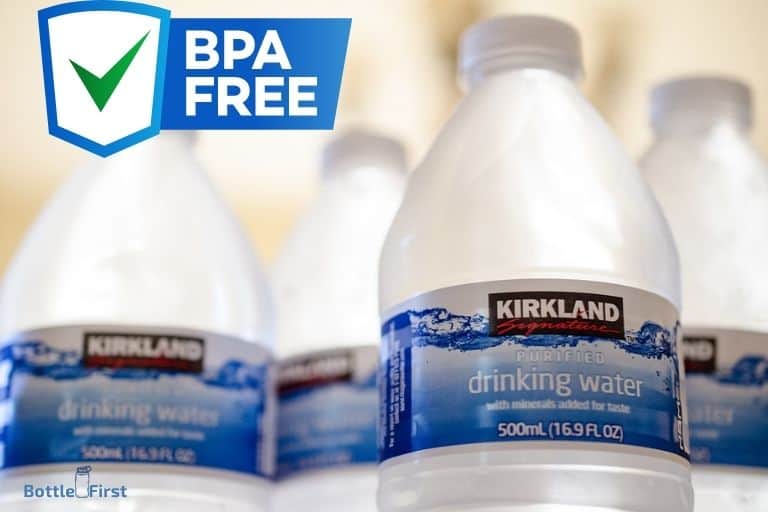 Are Kirkland Water Bottles Bpa Free? Yes!
Some BPA-free bottles use a chemical called Phthalates (try saying that three times after a lemonade). Others swap in BPS, which is like saying you’ve replaced your toxic ex with their equally toxic cousin. Progress? Debatable.
Know what’s actually boringly safe? Glass or stainless steel. But nobody buys a glass bottle for convenience—you’d be flexing your biceps just to hydrate. So, BPA-free plastic is the “lesser of two weevils” in a world that loves cheap packaging.
So, Should You Drink It?
Here’s my unfiltered take: Yes, if you’re forced to buy bottled water. It’s a marginal improvement over standard plastic, like upgrading from a rusty bike to a slightly less rusty bike. But don’t act like you’re chugging liquid gold from a health spa.
The real flex? Buying a reusable bottle and filling it with tap water. Tap water in many countries (yes, even the US) is more regulated than bottled. Plus, your wallet won’t cry every time you reach for a sip. But I’m not your mom—you do you.
If you’re still reaching for disposable BPA-free bottles, here’s a pro tip: Don’t leave them in a hot car. Heat accelerates chemical leaching. Your “safe” water is now a chemistry experiment. Bottoms up, but also, not too warm.
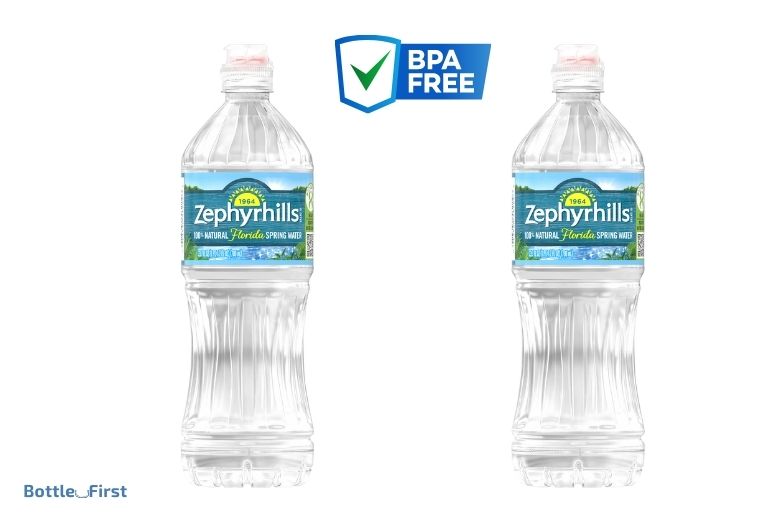 Are Zephyrhills Water Bottles Bpa Free? Yes!
The Bigger Picture Nobody Talks About
We’re so obsessed with BPA that we forget the real issue, which is plastic addiction. A BPA-free bottle still uses fossil fuels to produce, transport, and dispose of. It’s a band-aid on a bullet wound.
Companies love the “BPA Free” label because it makes you forget you’re buying a billion-year-waste problem. Marketing genius, honestly. Meanwhile, the actual solution—drinking from the tap or a filter—is literally free.
But hey, if you’re on a road trip and forgot your reusable bottle, grab the BPA-free one. Just don’t sleep on the problem. The only real “safe” water is the one that doesn’t come wrapped in a lie—single-use plastic.
Final Sip of Honesty
So, what is BPA-free bottled water? It’s a product that says, “We heard you’re scared of chemicals, so we changed one tiny ingredient.” It’s safer than the alternative, but not safe for the planet. Or your peace of mind.
If you want to feel like a hero, buy a glass bottle and actually kick the plastic habit. But I know—life’s chaotic, and sometimes you just want a refreshing sip without the guilt. Fair enough. Just remember: the best “BPA free” water is the one that hasn’t been bottled at all.
Stay hydrated, stay curious, and maybe give your tap some love. Now, go forth and drink—but read the label. I’ll be here, judging your plastic collection from afar.
