What Is Bpa Free Water Bottles

Let’s be honest—you probably have a water bottle somewhere. Maybe it’s the one you bought at a gas station last year, or the one your gym buddy swore by. That bottle might be...

Let’s be honest—you probably have a water bottle somewhere. Maybe it’s the one you bought at a gas station last year, or the one your gym buddy swore by. That bottle might be hiding a little secret, and it’s not the kind you want to spill. That secret is a chemical called BPA, which stands for bisphenol A.
What is BPA, anyway?
Imagine you’re microwaving leftover pizza in a plastic container. That slight, warm plastic smell? That’s BPA trying to make friends with your food. BPA is a chemical used to harden plastics, and it’s been around since the 1960s. Think of it like a bossy ingredient that makes plastic tough—but also a bit sneaky.
Here’s the thing: BPA can leach into your water, especially when the bottle gets hot (like sitting in your car on a summer day). It’s like the plastic is having a little meltdown, and you’re drinking the drama. Scientists have linked BPA to things like hormone disruption, which sounds scary because it is.
Must Read
Enter: BPA-free water bottles
So, what’s a BPA-free water bottle? It’s simply a bottle made with no BPA added to the plastic. Think of it as the “decaf” version of plastic—no jitters, no chemical hangover. You’ll see it stamped right on the bottom or side: “BPA-Free.” It’s like a little badge of honor that says, “I’m here to hydrate, not to make you worry.”
Most modern reusable bottles—like those from Nalgene, CamelBak, or even your favorite stainless steel brand—are BPA-free. Even disposable water bottles (like the ones from Poland Spring) often use BPA-free plastic now. But here’s the catch: just because it says “BPA-free” doesn’t mean it’s 100% perfect. Sometimes, manufacturers swap BPA for similar chemicals like BPS or BPF, which might be just as sneaky. So, look for “BPA and BPS-free.”
Why should you care?
Picture this: You’re sipping water during a tough workout, feeling like a champion. But if your bottle contains BPA, you might be sipping a little hormone mimic instead of pure H2O. Studies have shown BPA can affect fertility, brain development, and even your mood. Not exactly what you want when you’re trying to crush your goals.
 What Is BPA Free Water Bottles? A Practical Buyer's Guide
Plus, kids are especially vulnerable. That cute sippy cup your toddler throws across the room? Make sure it’s BPA-free. Their little bodies are still growing, and they don’t need extra chemical guests at the party. It’s like giving them a toy that’s safe to chew on—except this one they actually drink from.
A real-life story
My friend Sarah used to buy those cheap, clear plastic bottles at the grocery store. She’d refill them for weeks, leaving them in her hot car while she ran errands. One day, the water tasted funny—like plastic and old socks. She switched to a BPA-free stainless steel bottle, and now she swears her water tastes “crispier.” I don’t know if that’s science, but I know she’s happier (and less thirsty for drama).
Another buddy, Mike, bought a $10 BPA-free plastic bottle from Target. He’s been using it for two years, and it’s still going strong. He says it feels “lighter” than his old bottle, which might just be his imagination—but who cares? Peace of mind is worth a lot.
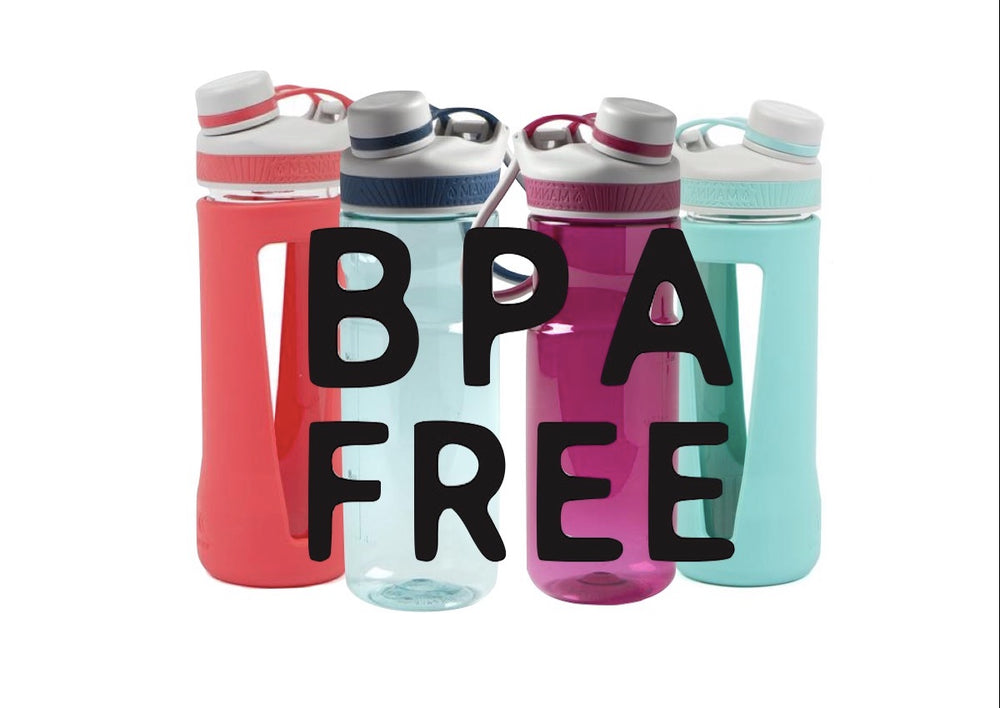 BPA-Free Bottles: The Amazing Bottle of the Future – Manna Hydration
How to spot a safe bottle
Flip it over and look for the recycling number in the triangle. Numbers 1, 2, 4, and 5 are generally BPA-free. Avoid numbers 3 (polycarbonate) and 7 (often contains BPA). Or, just look for the words “BPA-Free” in big, friendly letters.
Better yet, go for stainless steel or glass. They’re like the superheroes of water bottles—no plastic, no leaching, no worry. They’re a little heavier, sure, but so is a good pair of hiking boots, and you love those.
The bottom line
You don’t need to panic about every plastic thing in your life. But your water bottle? That’s a simple, easy swap that makes a real difference. Drinking water should be a joy, not a chemistry experiment. A BPA-free bottle lets you hydrate with a smile, knowing you’re treating your body like the temple it is (even if that temple sometimes eats pizza for breakfast).
So next time you’re at the store, grab a BPA-free bottle—maybe one with a cool color or a funny sticker. Fill it up, take a sip, and feel that little glow of doing something good for yourself. That’s the kind of secret you want to spill.
