What Is Surface Water Drainage

Okay, let’s talk about something that sounds super boring but is actually kind of fascinating. I’m talking about surface water drainage. You know, that stuff that keeps your b...
Okay, let’s talk about something that sounds super boring but is actually kind of fascinating. I’m talking about surface water drainage. You know, that stuff that keeps your backyard from turning into a swimming pool for mosquitos? Yes, that.
So, what is it? In the simplest terms, it’s the system that moves rainwater and melted snow off your property. Think of it as the unsung hero of dry socks everywhere.
Without it, every storm would turn your driveway into a slip-and-slide. And not the fun kind with a hose and a sunny day—the muddy, “I’m-about-to-take-a-nasty-spill” kind. We don’t want that, do we?
Must Read
It’s Not the Same as Sewage—Thank Goodness
This is a huge point people mix up. Surface water drainage is not the same as the pipes that handle your toilet adventures. Big difference.
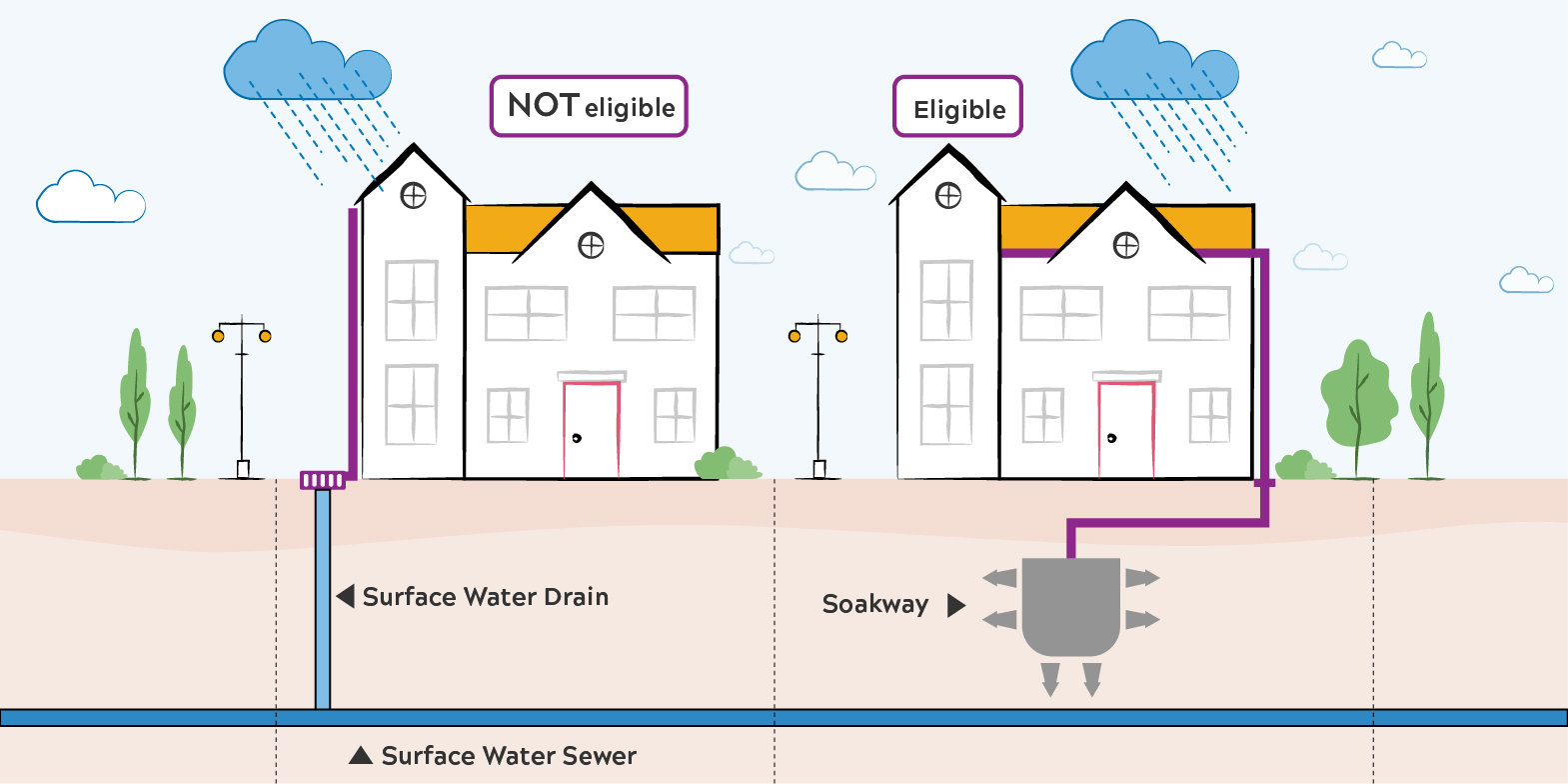
Surface water is clean(ish) water from your roof, lawn, and driveway. It goes into drains, ditches, or soakaways. Sewage? That goes to a treatment plant to get all that yucky stuff processed. Two totally separate parties.
Never, and I mean never, pour that leftover paint down a surface water drain. That water often ends up straight in a river. Fish don’t need a Jackson Pollock vibe, okay?
How Does It Actually Work? (The Cool Part)
Gravity is your best friend here. Water is lazy—it always wants to go downhill. Drainage systems just give it a nice, fast path to do that.
You’ve got your gutters and downpipes catching rain from your roof. Then it hits the ground. From there, it either flows into a roadside gully (that grate you avoid stepping on) or into a French drain.
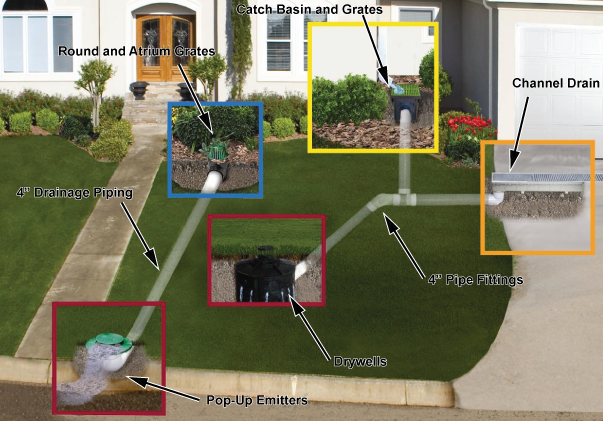 Surface Drainage & Water Collection System in Kansas City, MO & KS
A French drain? It’s not fancy or French. It’s just a trench filled with gravel and a perforated pipe. It whispers to water: “Hey, go soak into the ground over there instead of flooding my basement.”
Why Should You Care? (Beyond Not Drowning)
Because bad drainage is a bully. It causes foundation cracks. It makes your lawn a swamp. It attracts every mosquito within a three-mile radius for an all-you-can-eat buffet. Your blood is the appetizer.
It also prevents hydrostatic pressure. That’s a fancy term for “water pushing really hard against your basement wall until it cracks.” Imagine a water balloon that won’t pop. That’s your home. You don’t want that.
And here’s the kicker: in many places, you can’t just let water run into the street like a lost puppy. You need a percolation test or a soakaway pit. DIY hero? Maybe. But check local laws first, or you’ll be the neighbor who flooded the whole block.
Signs Your Drainage is Having a Tantrum
Puddles that hang around for days after a storm? That’s a red flag. Just a tiny one, but still. Your lawn should not look like a frog spa.
Water stains on your basement walls? That’s your house crying. Wall cracks? That’s your house having a panic attack. Listen to the house, folks.
 Better manage the ‘Surface Water Drainage’ of your property to save on
If your gutters are spilling water everywhere like a broken slot machine on payday, that’s another clue. Clean them out. Leaves are not a decorative feature.
The Fun Exaggeration You’ve Been Waiting For
Think of surface water drainage as the janitor of the weather world. When it rains cats and dogs, the janitor is there with a mop and a bucket, saying, “I got this, boss.”
Without it, every street would become the set of a disaster movie. You’d see a kayak floating down Main Street. A duck would live in your mailbox. The mailman would need scuba gear. Again.
So next time you step over a drain grate, give it a little nod of appreciation. It’s working hard. It’s not glamorous, but it is essential.
And if your own drainage is failing? Don’t panic. Call a pro, or grab a shovel and some gravel. You’ve got this. Just keep the water moving downhill and away from your couch. Especially the couch. That’s a nightmare nobody needs.
So there you have it—surface water drainage, demystified. Now go check your gutters. I mean it. Go. Your future dry socks will thank you.
