How To Remove Mineral Build Up

You know that weird, chalky crust on your favorite coffee mug? Or the stubborn white ring left in your bathtub after a nice, long soak? That, my friend, is mineral build-up. I...

You know that weird, chalky crust on your favorite coffee mug? Or the stubborn white ring left in your bathtub after a nice, long soak? That, my friend, is mineral build-up. It’s basically the ghost of all the hard water that’s passed through your life, leaving a scaly souvenir behind.
Nobody invites these deposits to the party, yet they show up everywhere. They hang out on your faucets, showerheads, and even inside your trusty kettle. It feels like a slow invasion, turning shiny chrome into a dull, foggy mess.
But hey, let’s not panic. Getting rid of this stuff is easier than you think. In fact, it’s a lot like giving your home a gentle, scientific spa day—with ingredients you probably already have in your pantry.
Must Read
Why Should You Even Care?
Honestly, mineral build-up is more than just an eyesore. It’s like a tiny, invisible blanket smothering your appliances. That showerhead with the clogged nozzles? It’s not giving you the relaxing rain-shower experience you deserve—it’s just whining at you in a low-pressure whisper.
Then there’s your coffee maker. A coated heating element means it has to work harder. It uses more energy, which makes your electric bill grumpy. And worse, that buildup can eventually break your beloved machine, forcing you to mourn its passing at the repair shop.
Think of it this way: removing limescale is like giving your stuff a deep breath. It keeps everything running efficiently and looking sparkly. Plus, nobody wants to sip their morning coffee while tasting ghostly hints of calcium carbonate, right?
The Magic Potion: White Vinegar
Here’s where the kitchen wizardry begins. Your secret weapon is simple, cheap, and smells a bit like a pickle factory. It’s white vinegar. This humble liquid is acidic enough to dissolve those stubborn mineral crystals without wrecking your surfaces.
Imagine it as a tiny, friendly Pac-Man, gobbling up all that chalky residue. For a kettle or coffee maker, just fill it with equal parts water and white vinegar. Run it through a cycle, let it sit for thirty minutes, then run it again with plain water to rinse. Magic, I tell you.
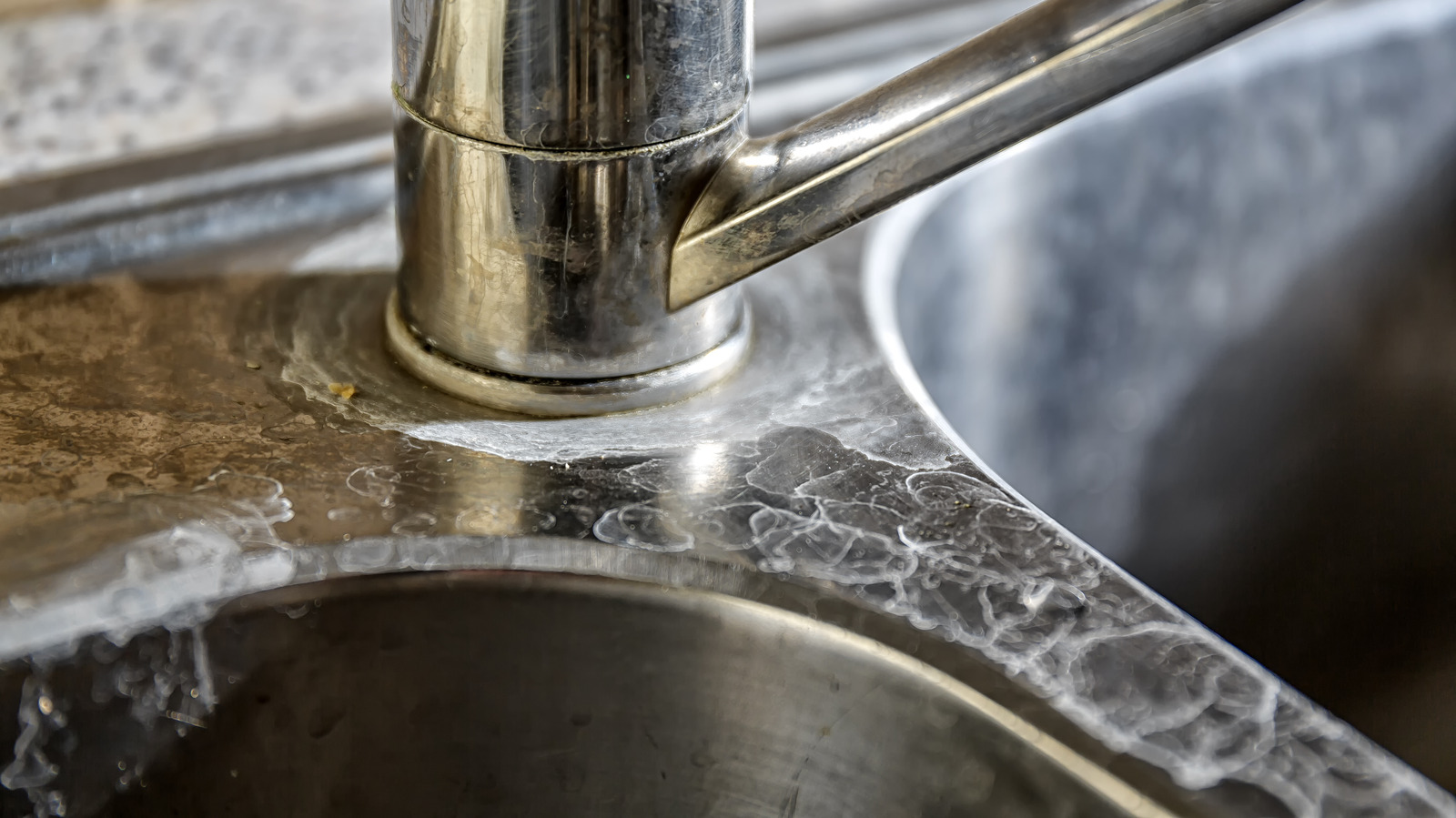 How To Get Rid Of Mineral Deposits In Sink at Eva Harpur blog
For faucet aerators or showerheads that are crusty? Unscrew them if you can. Drop the parts into a bowl of straight warm vinegar. Let them soak for an hour while you scroll your phone. Rinse them off, and suddenly your water pressure is back and better than ever.
What If It’s Really Stubborn?
Sometimes, the mineral build-up has been camping out for years. It’s built a little fortress. If vinegar alone isn’t cutting it, you can add a tablespoon of baking soda to create a fizzy paste. It’s like a science fair volcano, but for cleaning.
Spread that paste on a damp cloth and rub gently. The bubbles help lift the gunk. For glass shower doors with a permanent-looking film, use a lemon half dipped in salt. The citric acid will cut through that fog like sunshine through a dirty window.
After a good scrub, always rinse well with plain water. Otherwise, you might trade one white film for another. A final wipe with a dry microfiber cloth will make it gleam.
Prevention is Lazy Person’s Heaven
Look, I know scrubbing is not anyone’s favorite hobby. So let’s talk about the best strategy: prevention. It’s the laziest and smartest way to deal with mineral build-up. After you shower, take thirty seconds and squeegee the walls. It stops water droplets from drying into a chalky painting.
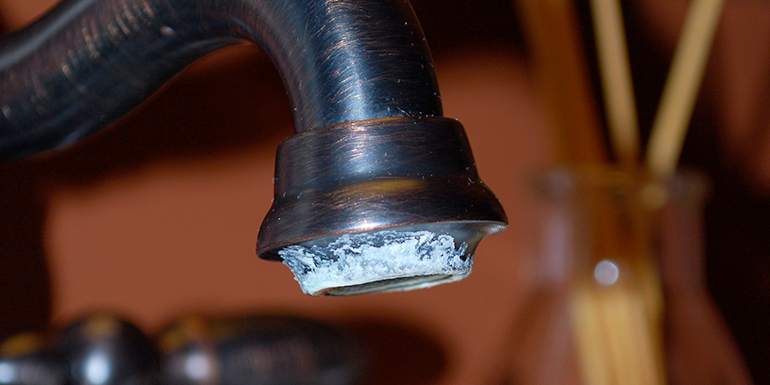 Remove Mineral Buildup on Faucets | Anchor Plumbing Service
In your kitchen, don’t let wet dishes air-dry on a rack if you have hard water. Wipe them down immediately with a towel. It’s annoying, but it saves you from that weird, spotty glass look that makes you question your cleaning skills.
For your coffee maker, use filtered or distilled water. I know, it feels fancy. But think of it as limescale insurance. If you really can’t be bothered, just run a vinegar cycle once a month. That’s a fifteen-minute investment for a happy machine.
The Relatable Result
Imagine turning on your shower and feeling that strong, satisfying spray hit your back. Imagine pouring a cup of coffee that tastes pure. Imagine your kitchen sink faucet gleaming like the day you moved in. That’s the reward.
Mineral build-up is just a part of life, especially if you live in an area with hard water. It’s not a personal failing. It’s just a chemical reaction happening in your home. And now, you have the tools to fight back with a smile and a bottle of vinegar.
So next time you see that white ring around your bathtub, don’t sigh. Just wink, grab your ingredients, and say, “Not today, calcium. Not today.” Your home will thank you, your appliances will run quieter, and you’ll feel like a quiet hero of your own cozy kingdom.
