How To Test Hard Water At Home

You know that feeling when you step out of the shower and your skin feels squeaky clean, but also a little tight, like you’ve been shrink-wrapped? Or when you wash a glass and...
You know that feeling when you step out of the shower and your skin feels squeaky clean, but also a little tight, like you’ve been shrink-wrapped? Or when you wash a glass and it dries with those stubborn, cloudy spots that make it look like you’ve been licking it? Chances are, you’ve got what we call hard water running through your pipes.
It’s not a catastrophe, but it can be a real nuisance. Hard water is basically just water that’s picked up extra minerals—mostly calcium and magnesium—on its journey to your faucet. Think of it as tap water with a very strong, rocky personality. The good news? You don’t need a chemistry degree or fancy equipment to figure out if you’re dealing with Mr. Hard Rock Water. You can test it at home, right now, with stuff you probably already have.
The Super Simple "Soap Test" (Your Shower Will Thank You)
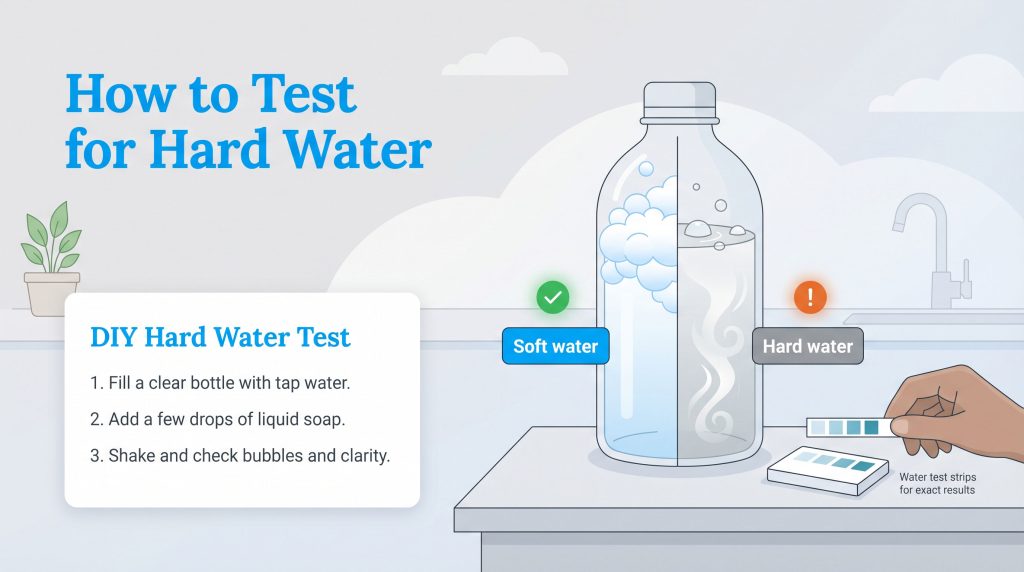
This is the easiest, most relatable test. It’s basically the goldfish of water tests—super low maintenance. Grab a clear, clean jar or bottle with a lid. Fill it about halfway with your tap water.
Must Read
Now, add exactly one drop of liquid dish soap. Not a squirt, mind you—one single drop. Put the lid on tight and shake it like you’re making a tiny, angry smoothie. Give it about ten good shakes.
Watch what happens. If the water turns cloudy, and you see a thick layer of suds sitting on top like a fluffy cloud, you’ve probably got soft water. But if the water stays mostly clear and you only get a few wimpy, sad-looking bubbles that disappear fast? That’s a big, friendly flag that says, “Hello, I am hard water.” The minerals are fighting the soap, stopping it from lathering up properly.
The "Cloudy Glass" Mystery (Solved at Home)
Remember those cloudy glasses I mentioned? That’s not just bad luck. Take a clean, dry glass from your cabinet. Pour a little tap water in it, swirl it around, and dump it out. Let the glass air dry—no towel rubbing allowed.
 How to Filter Water in Your Country House or Cottage – A Complete Guide
If, after it dries, you see whiteish, chalky spots or a milky film, that’s mineral residue left behind by hard water. It’s like the water left a tiny, sparkly fingerprint to say, “I was here.” Soft water dries clear as day. So if your glass looks like it’s developing a permanent cloudy tan, you’ve got your answer.
The "Tea and Coffee" Troublemaker Test
This one is for all my caffeine-loving friends. Think about your morning cup. If your tea has a weird, oily-looking film floating on the surface, or your coffee tastes a little bitter and flat, hard water might be the culprit. Those minerals bind to the flavor compounds, stealing your breakfast’s mojo.
It’s not just taste, either. Boil a pot of water and let it cool. Look at the bottom. If you see white, flaky stuff floating around or settled like snow, that’s limescale—the mineral buildup that hard water leaves behind. It’s basically the water’s way of saying, “I brought my own rocks to the party.” The more you see, the harder your water.
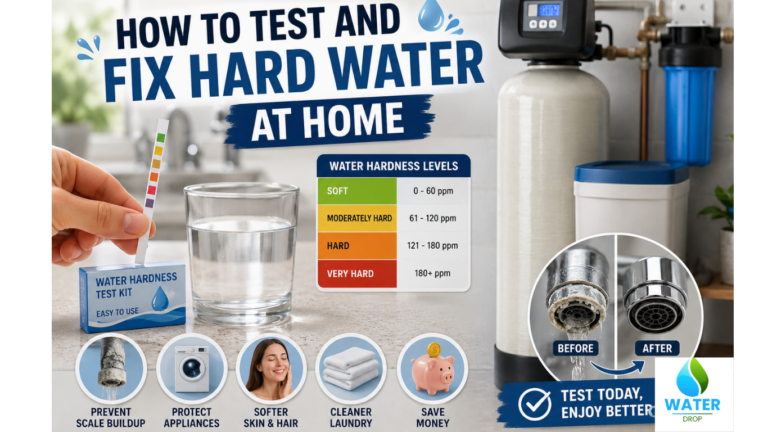
 Do Water Hardness Test Strips Work at Dennis Fleming blog
Why Should You Even Care? (It’s Not Just About Annoying Spots)
Okay, so you’ve done your tests and your water is harder than a math exam. Why does it matter? For starters, your skin and hair feel the difference. Hard water leaves a film on your skin that can clog pores and make your hair look dull and straw-like. It’s not you—it’s the water.
Then there’s your wallet. Those mineral deposits build up inside your pipes, your coffee maker, your washing machine. They choke them over time, making them work harder and die younger. Hard water is basically a slow, sneaky thief that steals your appliance’s lifespan. It also makes your soap less effective, so you use more detergent, which costs more money.
But here’s the kicker: you don’t have to live with it forever. Knowing you have hard water is the first step to fixing it. A simple water softener or a descaling filter can turn your rock-hard tap into a gentle, friendly friend. Your skin will glow, your glasses will sparkle, and your coffee maker will live to see another thousand mornings.
So go ahead. Shake that soap bottle. Let that glass air-dry. You’re not just being a kitchen scientist; you’re being a smart, self-caring grown-up. And if your water is hard? Don’t worry. Now you know the secret, and you can do something about it. Cheers to clearer glasses and softer showers.
