How To Neutralize Chlorine Gas

Imagine you’re in your happy place, scrubbing the bathroom sparkling clean. You mix a little bleach with, oh no, some toilet bowl cleaner, and suddenly your eyes sting and you...
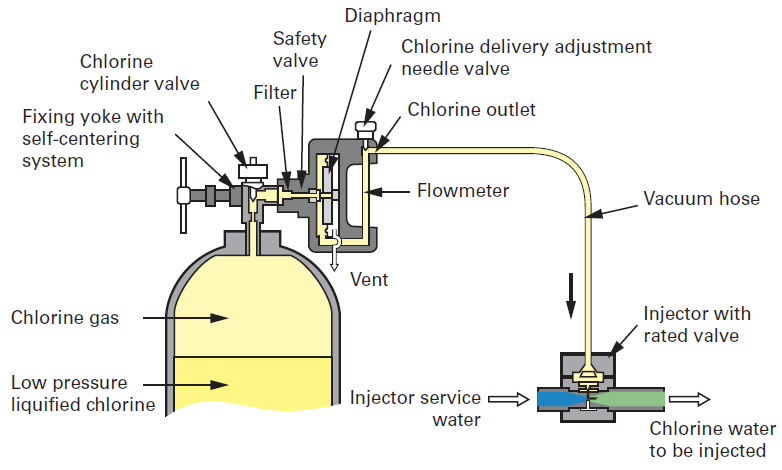
Imagine you’re in your happy place, scrubbing the bathroom sparkling clean. You mix a little bleach with, oh no, some toilet bowl cleaner, and suddenly your eyes sting and your throat burns. Congratulations, you’ve just invented a cloud of chlorine gas—and trust me, that’s not the kind of fun science experiment you want.
Chlorine gas isn’t just a lab hazard; it’s a real risk in everyday life, from over-bleached laundry to accidental pool chemical mixes. But don’t panic! The good news is that neutralizing it is easier than remembering your Wi-Fi password. Let’s break it down like we’re talking over coffee—no hazmat suit required.
Why Should You Care? (Hint: Your Lungs Will Thank You)
Chlorine gas is basically a grumpy, invisible ghost that attacks your nose, throat, and lungs. Inhaling it can cause coughing, chest tightness, and even fluid in your lungs if you’re really unlucky.
Must Read
But here’s the thing: most people don’t realize they’ve triggered it until after the chemical smell hits. Being able to neutralize it fast can turn a scary moment into a “phew, that was close” story. Think of it like knowing how to put out a grease fire—you hope you never need it, but it’s a superhero skill to have.
The Golden Rule: Don’t Make It Worse
First, stop mixing anything. If you’re cleaning and smell that sharp, pool-like odor, put down the spray bottle. Walk away, open a window, and let fresh air flood in like a breath of relief after a long Monday.
Mixing bleach with ammonia (hello, cat pee on the carpet) or acids (vinegar, toilet bowl cleaners) is like inviting chlorine gas to a party. The best neutralizer is dilution with water—lots of it—because water breaks down the gas into harmless salts. Think of water as the bouncer that kicks the gas out of the club.
Step-by-Step: How To Neutralize a Chlorine Gas Cloud (The Easy Way)
If you’ve just created a small amount from a cleaning mishap, open all windows and doors immediately. Fresh air is your cheapest and fastest neutralizer—it dilutes the gas and carries it outside faster than you can say “oops.”
Next, flood the area with water. Not a little splash—like you’re putting out a campfire. Pour buckets of water or use a garden hose directly on the spill or the mixing spot. Water chemically reacts with chlorine gas to form hydrochloric acid and water, but since it’s highly diluted, it’s safe to rinse down the drain.
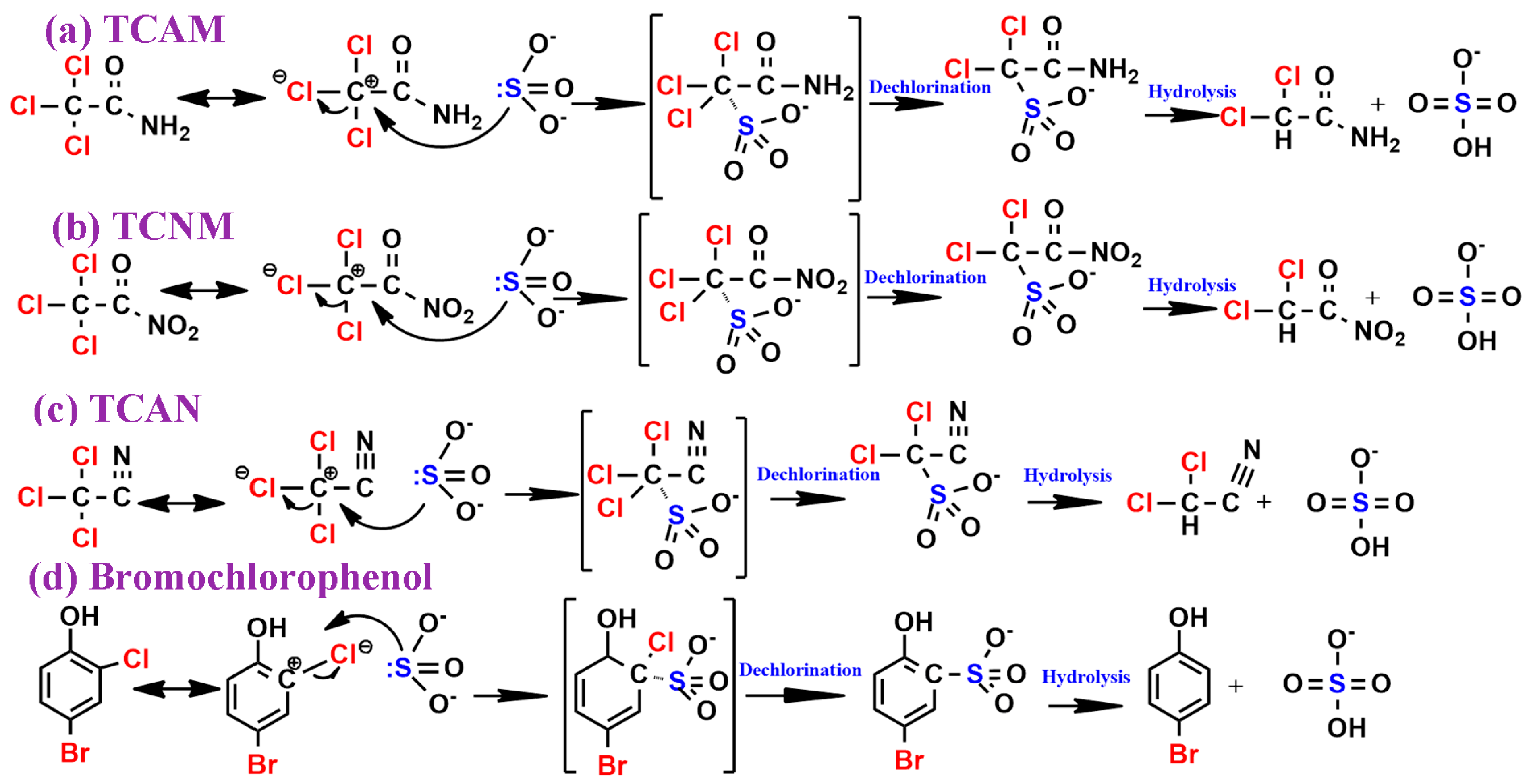 A Review of Traditional and Emerging Residual Chlorine Quenchers on
If you can’t find water, spraying baking soda solution (a few tablespoons in a spray bottle) on the area works wonders. Baking soda is a mild base that neutralizes the acid created by chlorine gas, like a tiny fire extinguisher for your lungs. Just don’t inhale the spray yourself—common sense, right?
What About Pool Chemicals? (Because Summer Vibes Matter)
Now, let’s talk about the backyard pool. You’re adding chlorine granules, and suddenly a puff of greenish gas rises. Don’t panic. Don’t try to sweep it away with a broom like it’s a dust bunny—that just stirs it up.
Instead, walk away upwind. Yes, like a cowboy leaving a saloon—cool, slow, and away from the cloud. Then, let the sun and air do their thing. Sunlight actually breaks down chlorine gas naturally, so opening your pool cover and waiting twenty minutes is like nature’s own scrubber.
If the smell lingers, douse the area with a garden hose or add more pool water to dilute the chemical source. Never, ever pour water directly onto a dry chlorine powder—that can actually create the gas. Always add chemicals to water, never the other way around.
When Things Go Sideways (And You Need Backup)
If you or someone else starts coughing uncontrollably, feeling dizzy, or struggling to breathe, get to fresh air immediately. Don’t waste time with DIY fixes—call 911 or your local poison control. Your health is the priority, not saving a bottle of bleach.
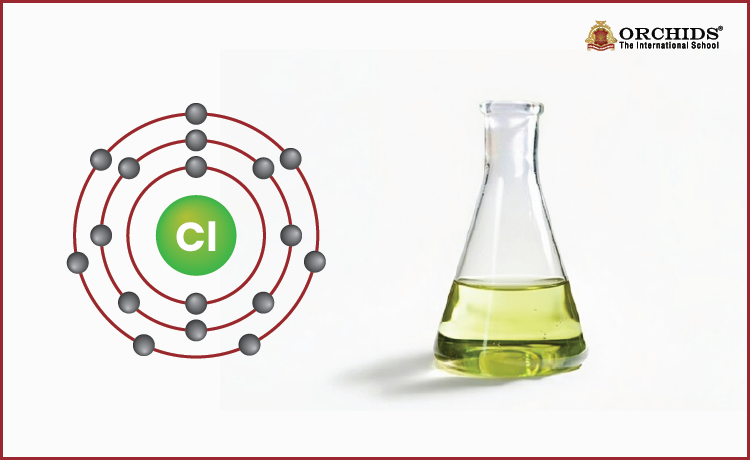 Chlorine Gas (Cl₂): Properties, Structure & Everyday Uses
For minor exposure, rinse your eyes with clean water for fifteen minutes and wash your skin with soap and water. Chlorine gas is water-soluble, so a good shower is like giving your body a reset button.
The Lighter Side: A Relatable Analogy
Think of neutralizing chlorine gas like dealing with a hangry friend. You don’t add more drama (more chemicals)—you give them space (ventilation) and a snack (water). Simple, effective, and no tears involved.
Remember that scene in The Simpsons where Homer mixes chemicals and the cloud chases him? That’s us if we’re not careful. But with a little know-how, you can channel your inner science nerd and turn a potential disaster into a “I’m fine, see?” moment.
Final Pro Tips for the Chemically Curious
Keep a box of baking soda in your cleaning caddy. It’s not just for cookies—it’s your emergency neutralizer for small bleach spills. And always read labels like you’re reading the fine print on a coupon—it’s boring, but it saves you from a world of hurt.
Last, teach your family what to do. If your teenager mixes cleaners and sees a yellow cloud, they’ll know to run, open windows, and call you, not panic. Knowledge is the best safety glove you can wear.
So go ahead, clean your bathroom like a champ. But if you ever smell that chlorine gas warning sign—sharp, eye-stinging, and mean—smile, grab a hose, and remember: water, air, and a little baking soda are all you need to turn a “yikes” into a “meh.” Stay safe, you awesome chemical overlord.
