How To Maintain Water Softener

Remember that time you washed your hands and it felt like you could never fully rinse the soap off? Your skin squeaked. Your glasses came out of the dishwasher looking like a...
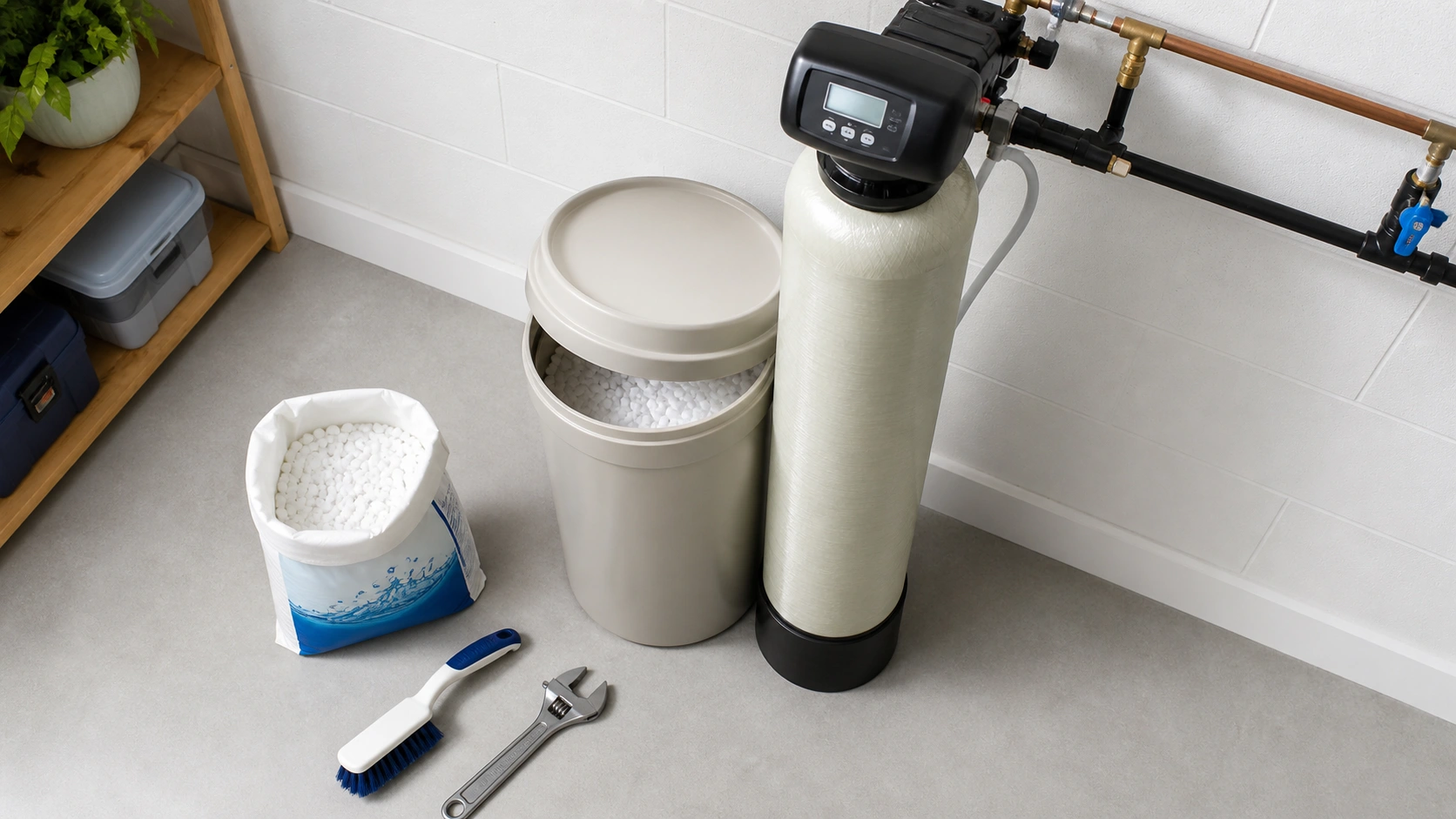
Remember that time you washed your hands and it felt like you could never fully rinse the soap off? Your skin squeaked. Your glasses came out of the dishwasher looking like a zombie apocalypse film set. That, my friend, was the joy of hard water—a mineral-loaded nightmare that turns your plumbing into a cave system.
Then you bought a water softener. Ahhhhhh. Silky showers, spotless dishes, and pipes that actually live past their warranty. But here’s the kicker—most people treat their softener like a magic box that never needs love. Spoiler alert: it does. Let’s talk about keeping that little brine-hungry beast happy, because a neglected softener is just an expensive doorstop.
Step One: Don’t Let It Starve (The Salt Situation)
Your softener runs on salt. Not the fancy pink Himalayan kind you put on avocado toast—the plain, pelletized, solar salt or evaporated salt from the hardware store. Check the brine tank (that big plastic tub next to the main unit) every month. Lift the lid and peek inside.
Must Read
Is the salt level below the water line? Then add more. Does it look like a solid, crusty block of cement? You’ve got a “salt bridge.” Break it up with a broom handle (seriously, poke it gently) before it forms a hollow cave that fools the float switch. I once ignored mine for four months and ended up with a salty stalagmite that required a chisel. Don’t be that person.
But How Much Salt, Exactly?
Most tanks need refilling when the salt is about halfway down. Fill it to maybe three-quarters full—don’t pack it to the brim like you’re stuffing a suitcase. Too much salt can cause bridging again, and too little means your resin beads (the tiny workhorses inside) don’t get properly cleaned during regeneration. Aim for a happy medium. Your water will thank you with bubbles that actually lather.
Step Two: The “Brine Tank Cleaning” That Nobody Does (But Should)
Every six months, your brine tank needs a spa day. Unplug the unit, scoop out any leftover salt (wear gloves; it’s slimy), and scrub the inside with a mild soap solution and a sponge. Rinse thoroughly. Why? Because algae and bacteria love a damp, salty environment. If you see pink slime, that’s Serratia marcescens—harmless but gross.
While you’re down there, check the brine float. It should move up and down freely. If it’s stuck, your softener might regenerate at 3 AM when you’re dreaming of beaches, not brine. A quick wiggle now saves you a flooded basement later. (You’re welcome.)
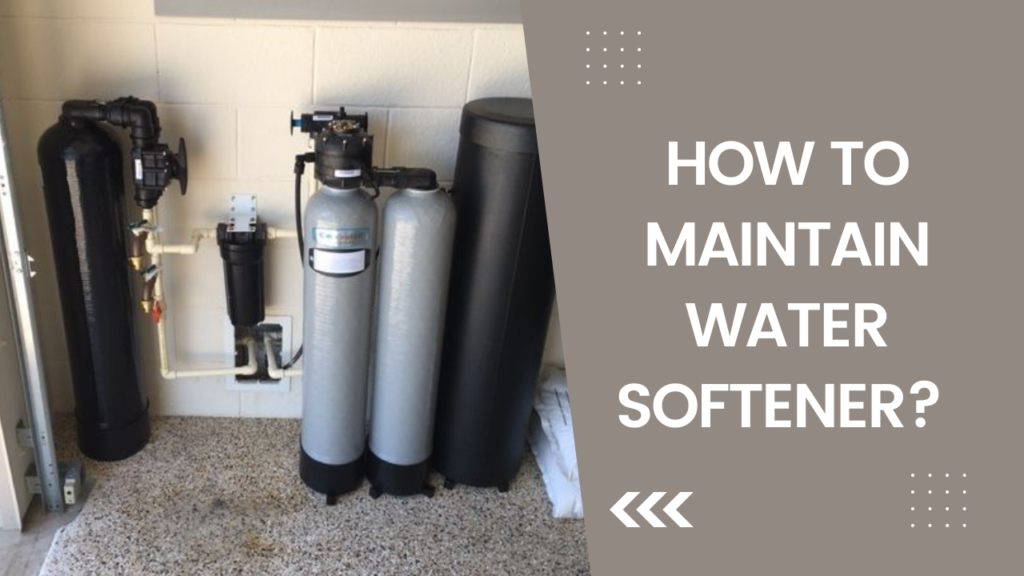 How to Maintain Water Softener System? (Important Tips) - CharlieTrotters
Step Three: The Resin Bead Secret (Bleach? No, Please No)
Inside your softener’s main tank are thousands of tiny resin beads that actually grab the calcium and magnesium. Over time, iron and dirt can gum them up. You ever see “resin cleaner” at the store? Use it. Pour it into the brine well (the tube inside the salt tank) during a regeneration cycle.
Never pour bleach into the brine tank. Bleach can destroy the resin beads, turning your $1,000 softener into a water pass-through device. If you have iron stains on your fixtures, use a specific iron-cleaning product instead. Trust me, you don’t want to explain to your spouse why the soft water suddenly feels like sandpaper.
Step Four: The Bypass Valve—Your New Best Friend
There’s usually a big red or green knob on your softener. That’s the bypass valve. Learn where it is right now. If you ever need to change a water heater, fix a leak, or move the unit, turn that valve to “bypass.” It routes water around the softener without shutting off your whole house.
Oh, and if you go on vacation for two weeks? Bypass it. Letting stale water sit in the system can grow bacteria. When you come back, run a manual regeneration with fresh salt. Your first shower after vacation will feel like forgiveness itself.
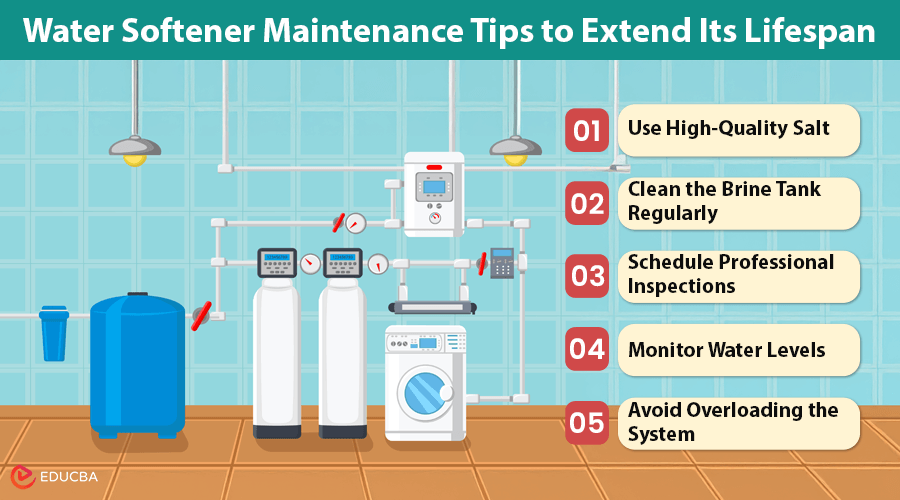 Water Softener Maintenance Guide for Homeowners
Step Five: Listen for the Grumble (Troubleshooting Sounds)
Your softener makes noises during regeneration—a low hum, a clicking valve, water trickling. That’s fine. But if you hear grinding, screeching, or banging, something is wrong. It might be a stuck piston in the control head, or air in the system. Don’t ignore it.
Check the display panel (if you have a digital model). Many modern softeners flash error codes. If you see “Err 1” or “CL” blinking, look up the manual online. Or, if you’re like me, call the manufacturer and pretend you know what a “bypass valve” is. They always ask. Now you actually do know.
One Last Weird Tip: Vacuum the Floor Around It
Seriously. Spiders love warm, dark spaces near softeners. I once found a nest inside the brine tank cover. Just vacuum the area monthly. Keeps the critters out and lets you spot leaks early. A small puddle on the floor? That’s a sign, not a decoration.
So there you have it. Maintaining a water softener isn’t rocket science—it’s more like caring for a lazy, salt-addicted pet. Give it salt, clean its tank, listen to its sounds, and it’ll give you years of silky water. Ignore it, and you’ll be back to squeaky hands and cloudy glasses, wondering where it all went wrong.
Now go check your brine tank. I’ll wait.
