How To Bypass A Water Softener

So, you’ve got a water softener. And honestly? It’s done a great job making your laundry feel fluffy and your faucets spot-free. But let’s be real—sometimes that softened wate...
So, you’ve got a water softener. And honestly? It’s done a great job making your laundry feel fluffy and your faucets spot-free. But let’s be real—sometimes that softened water just feels a bit too slick, almost like you can’t get the soap off your skin. Or maybe you’re craving that crisp, mineral-rich taste of hard water for your morning tea. You’re not alone—and yes, you can bypass the system without calling a plumber or committing a felony!
Think of it like this: your water softener is a faithful robot that removes calcium and magnesium. Sometimes, though, you want to tell that robot, “Take a coffee break, buddy.” Bypassing is simply rerouting the water to skip the softening tank. It’s easy, it’s often built into your system, and it’s a total game-changer for things like watering plants or filling a fish tank. Why? Because many plants and fish actually prefer the minerals in hard water—softened water can mess with their delicate chemistry.
The Great Outdoor Bypass
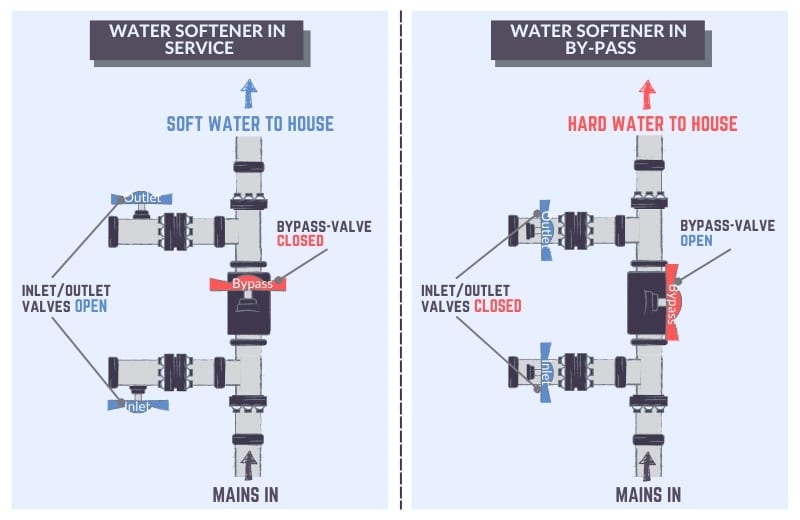
First, check your softener unit. Most modern ones come with a bypass valve—a little lever or knob right on the side. Look for a handle that turns from “normal” to “bypass” (or a simple arrow diagram). Give it a gentle twist, and voilà, you’ve just given your hard water a one-way ticket to the hose bib. That means you can water your garden or wash your car with rock-hard, mineral-packed water that makes your tomatoes sing and your tires shine.
Must Read
Don’t have a built-in valve? No sweat. You can buy a simple bypass kit for about fifteen bucks at any hardware store. It’s literally just a plastic tube that connects your inlet and outlet pipes. Turn off the softener’s supply, snap the kit in place, and you’re done. Your plants will thank you—softened water often contains extra sodium, which can slowly turn your soil into a salty desert. Nobody wants salty tomatoes.
Indoor Adventures: Cooking & Bathing
Inside the house, bypassing is great for a quick cooking hack. Fill a pitcher with bypassed hard water and use it for boiling pasta or making bread. Hard water’s minerals help dough rise better and give pasta that perfect al dente bite. Your taste buds will know the difference—even if you didn’t realize you were missing out. It’s like discovering your grandma’s secret ingredient was actually just the tap water.
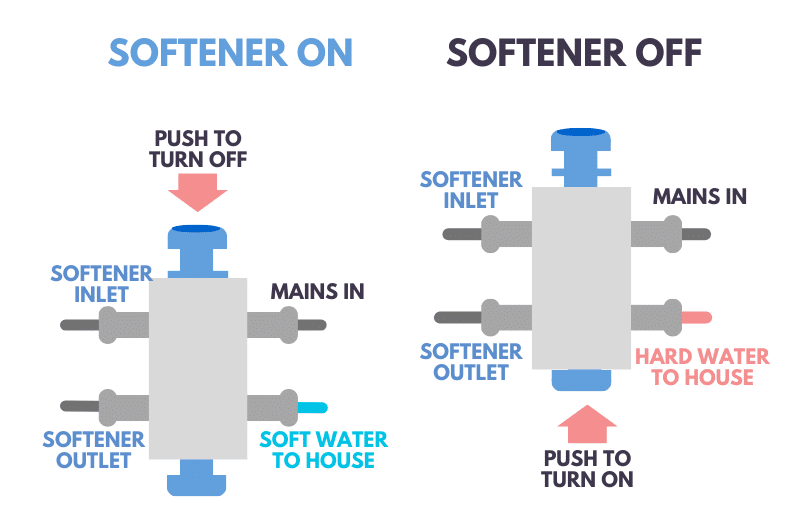 How to Bypass a Water Softener (Diagram Included)
Bath time? Bypass for a few minutes and feel the squeaky clean difference. Hard water rinses soap off faster, leaving your skin feeling less like you’ve been coated in hand lotion. If you’ve ever traveled somewhere with great water pressure and thought, “Wow, my hair feels amazing,” that’s hard water doing its thing. Just don’t forget to switch back for your dishes—softened water keeps glassware spot-free, and we do love a shiny wine glass.
Now, a little caution: don’t bypass your hot water heater for long periods. Hard water can cause mineral buildup inside the tank over time. But a few hours at a time? Totally fine. Your heater is tougher than you think. And please, avoid bypassing for your whole house’s supply unless you know your pipes can handle it—older homes sometimes have mineral deposits that prefer the softened flow.
 How to Bypass a Water Softener (Diagram Included)
Making It a Fun Weekend Project
Here’s where it gets inspiring: turn this into a mini water science experiment. Grab two identical glasses, one with softened water and one with bypassed hard water. Add a drop of dish soap to each and shake. The hard water will foam up quickly and then vanish—like a magic trick. It’s a playful reminder that life isn’t always about having everything “soft” and predictable. Sometimes a little grit makes things interesting.
So why stop here? Use your new bypass skill to explore other hidden features in your home. Did you know you can also adjust your softener’s salt dosage? Or that some systems let you set a timer for automatic bypass during gardening hours? Suddenly, that boring white box in your basement becomes a portal to hobby-level control. You’re not just a homeowner—you’re a water conductor, an engineer of your own little ecosystem.
In the end, learning how to bypass your water softener isn’t just about avoiding slick showers—it’s about reclaiming choice. It’s about saying, “I can have my spotless dishes and my happy houseplants too.” Go ahead, twist that valve, fill that watering can, and feel the joy of hard water on your hands. You’ve got this. And who knows? Tomorrow, you might even figure out how to plumb in a rainwater barrel. The adventure is just beginning.
