How To Sanitize Drinking Water

So, you’re staring at a glass of water, wondering if it’s trying to kill you. Or maybe you’re camping, and the stream looks a little… suspicious. Been there. Let’s fix that wi...

So, you’re staring at a glass of water, wondering if it’s trying to kill you. Or maybe you’re camping, and the stream looks a little… suspicious. Been there. Let’s fix that without turning your kitchen into a chemistry lab.
Boiling: The Old Reliable
Boiling water is the granddaddy of sanitation. It’s cheap, it’s easy, and it’s been killing germs since before your grandma’s grandma was born. Bring it to a rolling boil for one minute—or three if you’re above 6,500 feet, because altitude makes everything dramatic.
Does it remove chemicals or heavy metals? Nope. But for bacteria, viruses, and parasites? It’s like a tiny sauna of death. You’ll get hot water for tea as a bonus. Win-win.
Must Read
Chlorine Drops: The Pool Party Method
Remember that faint “pool” smell from summer afternoons? That’s chlorine doing its job. A few drops of unscented bleach (5-9% sodium hypochlorite) can sanitize a gallon of clear water. Just let it sit for 30 minutes afterward.
If it smells like a swimming pool after that? You used too much. Oops. Double the wait time for cloudy or cold water. And don’t use fancy bleaches with scents or thickeners—your water isn’t a tropical vacation.
Iodine: The Adventurer’s Buzzkill
Iodine tablets are tiny heroes for backpackers. Drop one in, wait 30 minutes, and you’ve got sterile water. It kills most bugs—but not the nasty Cryptosporidium parasite. That little monster needs boiling or a fancy filter.
Downside? It tastes like a medicine cabinet. Add a pinch of vitamin C powder afterward to kill the flavor. Also, don’t use it daily for more than a few weeks—it’s not great for your thyroid. You’ve been warned.
Filters: The Fancy Pants Option
Water filters are like smartphones—cool, but there’s a million kinds. Look for a filter with pores smaller than 0.2 microns. That’ll snag bacteria and protozoa, like Giardia, which is the reason “beaver fever” is a phrase.
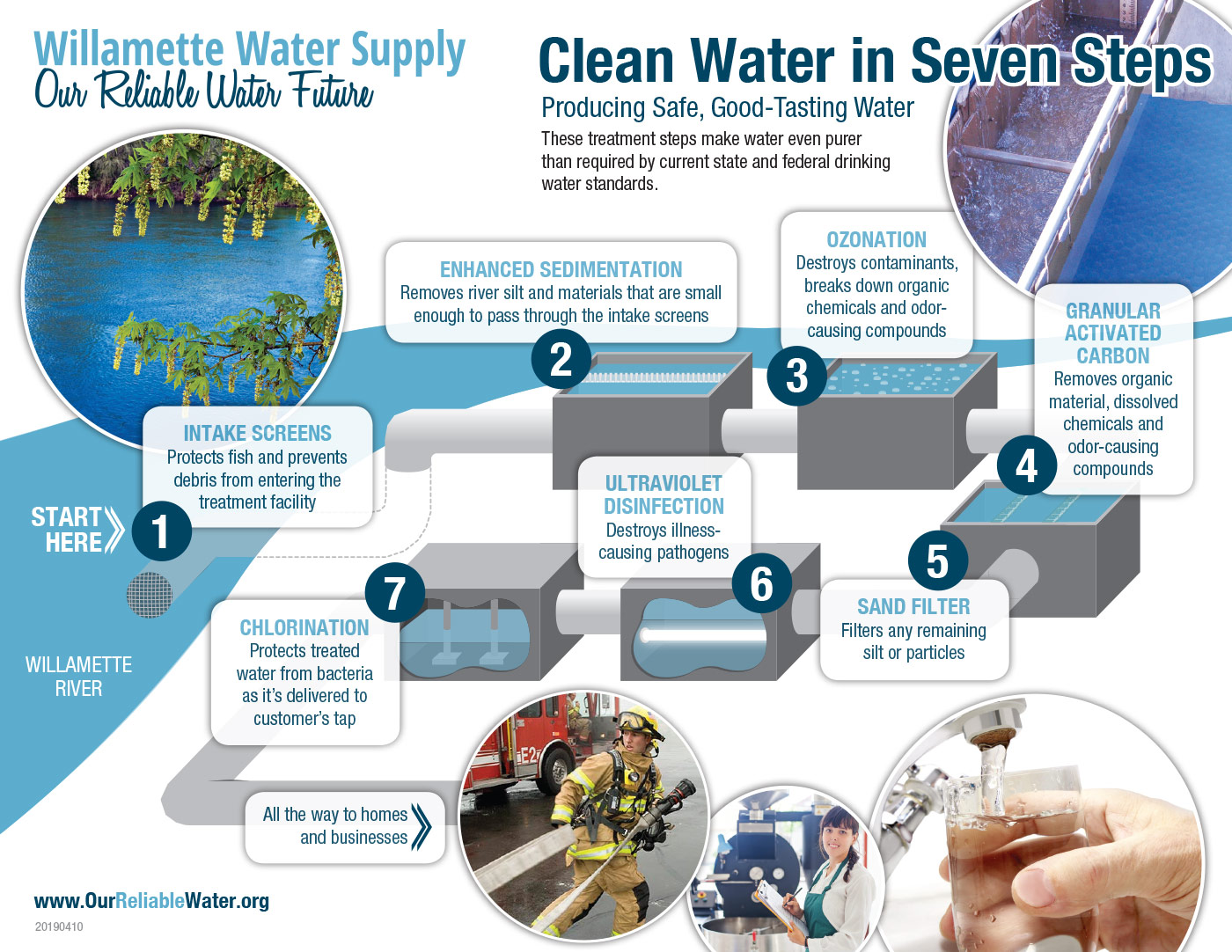 Water Quality - Willamette Water Supply Program
Does it kill viruses? Not unless it’s a special “purifier” with a chemical or UV add-on. Viruses are tiny jerks that slip through. But for a creek on a hike? A good filter is your best, tasteless friend. Just remember to backwash it… or it becomes a paperweight.
UV Light: The Secret Agent Trick
UV wands or pens are like something from a spy movie. Zap your water for 90 seconds with ultraviolet light, and it destroys the DNA of germs. No chemicals, no taste, no muss.
Catch: the water must be crystal clear. If it’s cloudy, the light can’t see the bugs. Also, you need batteries or a charged device—so don’t drop it in the lake. You will drop it. Trust me.
Solar Disinfection: The Lazy Genius
If you have sunlight and a plastic bottle, you have a survival tool. Fill a clear PET bottle (not glass) with water and lay it on a black surface in direct sun for six hours (or two days if cloudy).
UV rays from the sun cook the germs. No fuel, no gadgets. It’s like leaving your water out to get a tan. Totally beach-approved. But only works for small amounts, and the bottle can’t have scratches where bugs hide.
Distillation: The Nuclear Option
Distillation is for when you want to really flex. Boil water, catch the steam, let it condense into another container. It removes everything—germs, chemicals, heavy metals, even salt. You get pure H2O.
 Boil water notice: How to make water safe to drink, store, cook
The catch? It’s slow, uses tons of energy, and the water tastes flat. You’ll also have to clean the pot’s gunk off. But if you’re stranded on a saltwater island? This is your only friend. You’re welcome, Robinson Crusoe.
Don’t Forget the Container
No one talks about this, but your clean water is only as good as the cup it’s in. Sanitize your bottles with boiling water or a bleach rinse before filling them. Otherwise, you’re just putting champagne in a dirty sock.
Also, let’s be real: don’t use a rusty canteen you found in your grandpa’s garage. You’re not a pioneer. Plastic, glass, or stainless steel—clean them like you’re prepping for surgery.
When to Just Buy Bottled Water
Sometimes, the smartest method is to walk to the store. If your tap water smells like a science experiment, or you’re in a flood zone, commercial bottled water is your safest bet. It’s already sterilized and tested.
Does it waste plastic? Yes. But dying of cholera also wastes your life. Pick your battles. No judgment here.
So go ahead—take a sip. Whether you boiled, zapped, or filtered, your water is now ready to hydrate you without a side of regret. And hey, if all else fails, just remember: when in doubt, boil it out. Cheers! 🥤
