How To Remove Radon From Water

So, you’ve heard radon is bad. It’s that invisible, odorless gas lurking in your basement. But did you know it’s also chilling in your water? Yep, your shower could be a radon...
So, you’ve heard radon is bad. It’s that invisible, odorless gas lurking in your basement. But did you know it’s also chilling in your water? Yep, your shower could be a radon party.
Radon comes from the natural decay of uranium in soil and rocks. It’s everywhere, but usually in small amounts. When it dissolves into groundwater, it hitches a ride right into your home.
Why should you care?
This isn’t a scare tactic. It’s a quirky science fact. Radon in your water can be a lung cancer risk when you breathe it in while showering. Inhaling is the real danger here, not drinking.
Must Read
Think about it: that steamy morning shower agitates the water. The radon gas escapes into the air. Suddenly, you’re breathing in a radioactive steam bath. Kind of wild, right?
The United States EPA says if your water radon level is over 4,000 picocuries per liter, act. But most private wells don’t get tested. It’s like finding out your tap has a secret superpower—an evil one.
Your enemy: dissolved radon gas
Radon is a gas, not a solid contaminant. You can’t filter it out like dirt. That makes removal a fun little chemistry puzzle. Physics to the rescue!
There are two main ways to kick radon out of your water: aeration and granular activated carbon (GAC). Each has its own silly pros and cons.
Option one: aeration (the fancy bubble bath)
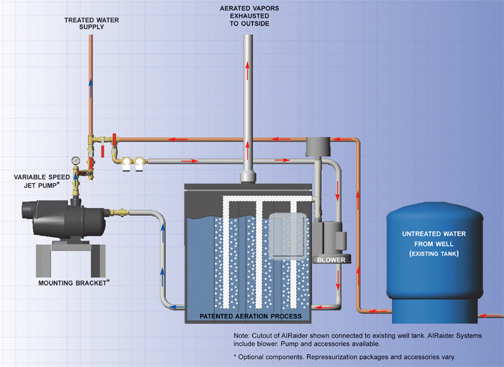
Aeration systems force air into the water. This makes the radon gas bubble up and escape into the atmosphere. It’s basically a jacuzzi for your whole house.
The system works by spraying water into a tank with a fan. The radon gets vented outside. This method is 99.9% effective. You’re literally blowing the bad vibes away.
But here’s the funny part: the water might taste a little flat afterward. It loses some dissolved oxygen. Don’t worry—you can add a small carbon filter to fix the taste. Science is forgiving.
Option two: granular activated carbon (the sponge trap)
This method uses a big tank filled with charcoal. The radon sticks to the carbon like a magnet. It’s a radon sponge. Simple, quiet, and no moving parts.
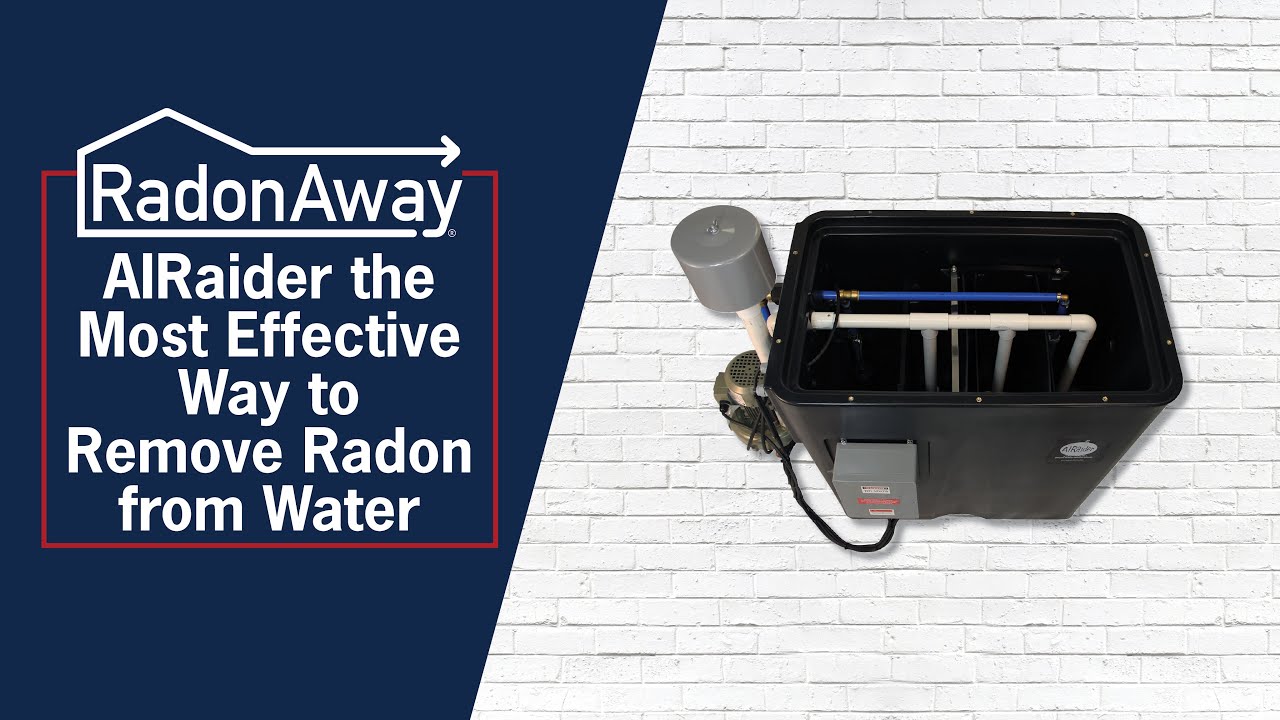 RadonAway AIRaider The Most Effective Way to Remove Radon from Water
The catch? The carbon becomes radioactive over time. You can’t just toss it in the trash. Handling this filter requires a hazmat level of respect. Not exactly a weekend DIY project.
Also, GAC systems can grow bacteria if you don’t change the filter often. So it’s a low-maintenance trap that secretly needs regular love. Radon removal: the ultimate relationship test.
A quirky fact for your next dinner party
Did you know that radon in water is a bigger problem for well owners than city water users? City water is usually aerated before it hits your tap. That aeration actually removes the radon before you even know it existed.
So if you’re on a private well, you’re the radon cowboy. You’re the one wrestling with invisible gas. It’s like being a ghostbuster, but with plumbing bills.
Another fun tidbit: radon levels in water can vary wildly between houses a mile apart. Your neighbor’s water might be safe, and yours is a fizzy radon soda. It’s geological roulette.
How to test your water for radon
You can’t smell it. You can’t see it. So you need a test kit. Buy a radon water test from a certified lab. They send you a vial, you fill it from your tap, and you mail it back.
The test costs around $20-$30. That’s cheaper than a pizza. And way more important for your lungs. Wait two weeks for results. The suspense is real.
If the test shows levels above 4,000 pCi/L, call a professional. Do not attempt to build your own aeration system. This isn’t a TikTok science experiment.
 How to Remove Radon in Well Water - SellMyHomeMI.com
The “shower hack” that doesn’t work
Some people think opening a bathroom window helps. Nope. The radon gas escapes your water and fills the room within minutes. A cracked window won’t save you.
Another myth: boiling water removes radon. Yes, but it also makes your kitchen a radioactive sauna. Don’t boil radon water. You’ll just breathe it all in.
The only real fix is a point-of-entry system. That means treating all water coming into your house. No shortcuts. But hey, you’ll have the purest showers on the block.
Why this is fun to talk about
Radon removal is a hidden hero story. You’re fighting an invisible enemy with science, bubbles, and carbon. It’s underrated nerdery.
Plus, you can now look at your showerhead with suspicion. Every hot shower is a potential radioactive event. That’s oddly exciting.
So go test your water. Or at least buy a test kit as a conversation starter. Tell your friends you’re “exploring your home’s geology.” They’ll think you’re fascinating. You are.
The final punchy truth
Radon in water is a solvable problem. It’s not scary; it’s interesting. You have the tools to kick it out. Fancy aeration or a charcoal sponge—pick your poison.
Your future self will thank you. And your lungs will throw a little party. A non-radioactive one. Now go conquer that water.
