Why Would Tap Water Be Cloudy

You’re parched. You turn on the tap, fill a glass, and—whoa. Your water looks like a milkshake ghost. Before you panic and call the city, let’s talk about why your tap water m...
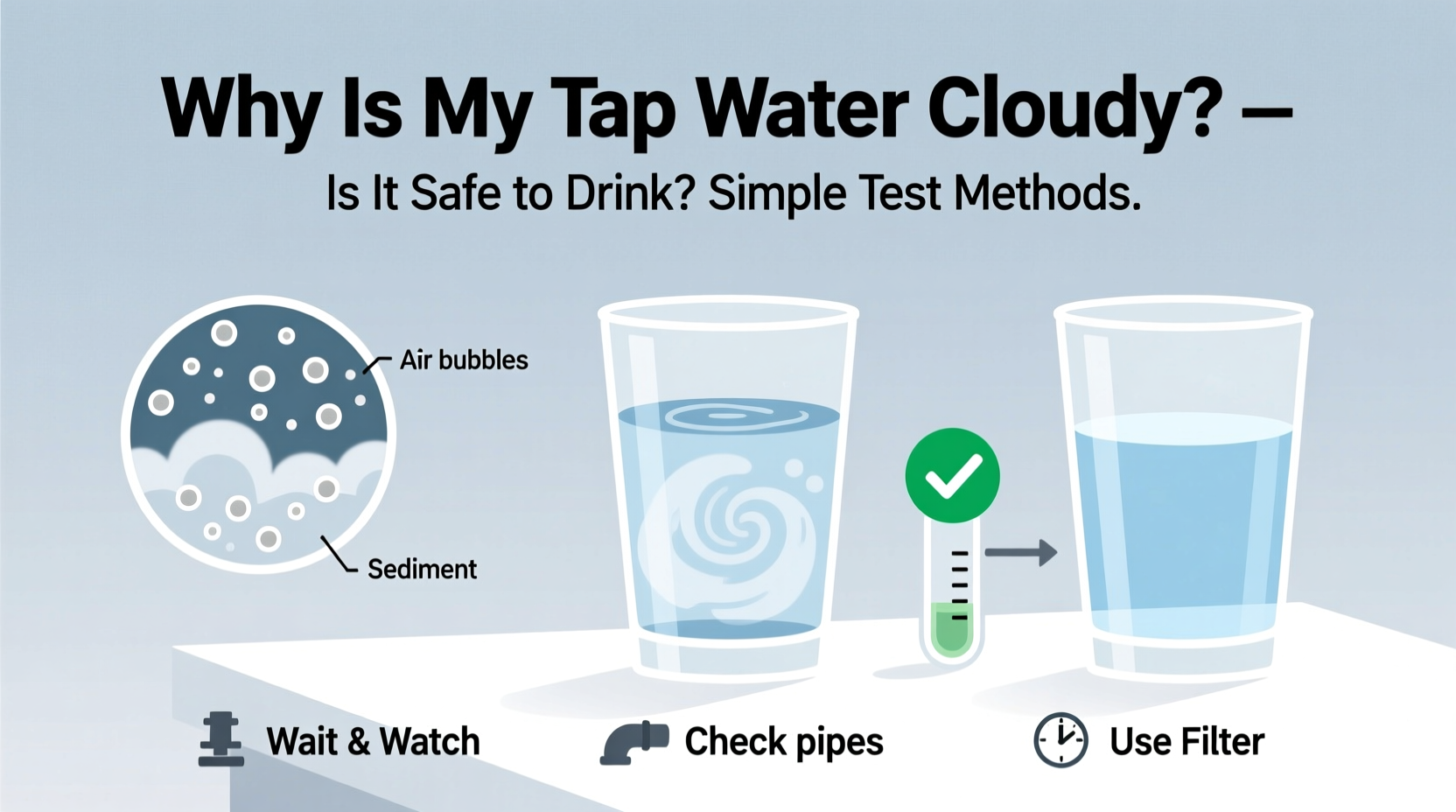
You’re parched. You turn on the tap, fill a glass, and—whoa. Your water looks like a milkshake ghost. Before you panic and call the city, let’s talk about why your tap water might suddenly look like a diluted cloud.
The most common culprit is air. Yes, tiny bubbles. Think of it like opening a shaken soda bottle—but way less sticky.
When your water utility does maintenance or you’ve got a plumbing leak, air gets trapped in the pipes. The pressure forces it into the water, and when you pour a glass, those bubbles rise and make the water look cloudy.
Must Read
It’s the same reason a waterfall looks white. All that churning water traps air, creating a snowy effect. Your kitchen faucet is just putting on a mini-show.
Here’s the low-tech test: pour a glass of cloudy water and let it sit on the counter for about a minute. If it clears from the bottom up, like a reverse magic trick, it’s just air. Congratulations, you’ve got fizzy H2O, not something weird.
But what if it doesn’t clear?
If your glass stays milky after a few minutes, then you might be dealing with sediment. This happens when your local water system stirs up minerals—like calcium or manganese—from old pipes or after a water main break.
Imagine a snow globe that got shaken by a toddler. That’s your water after construction work down the street. The particles are usually harmless, but they taste like dirt and make your coffee look sad.
Another sneaky cause is cold water. Really cold water can hold more dissolved air than warm water. So when you draw a glass from the fridge tap, the air escapes as tiny bubbles.
It’s like watching a person run outside on a chilly morning—their breath puffs out. Your water is just breathing. Let it warm up to room temperature, and the cloudiness vanishes.
 Why Is My Tap Water Cloudy or Milky?
The “Is it safe?” dance
I once lived in an apartment where the water looked like a bad science experiment every morning. I called the landlord, who sighed and said, “Fill a bottle and leave it. If it clears, you’re fine.”
He was right. But I still felt like I was drinking from a murky pond. The truth? Cloudy water from air is completely safe. You’re basically drinking a tiny bubble bath. Your stomach doesn’t care.
However, if the cloudiness comes with a funny smell (like rotten eggs) or a weird taste, call your water provider. That could be sulfur or bacteria, which needs a professional fix.
Also, check your pipes. Old galvanized steel or lead pipes can rust and release sediment. That water might look like iced tea or cappuccino—not in a good way.
When to worry and when to shrug
Here’s a cheat sheet: if the water clears on its own in under two minutes, it’s air. Shrug it off. If it stays cloudy and leaves a white film on your glass, it’s hard water minerals. Annoying, but not dangerous.
But if the cloudiness hangs around like an unwanted houseguest and you see brown or orange tint, that’s rust or manganese. That water’s not for drinking until you flush your pipes for a few minutes.
I once ignored a cloudy glass thinking it was just air, and after ten minutes it turned a lovely shade of beige. Turns out, the city was flushing fire hydrants. I felt like I’d been pranked by the municipal water department.
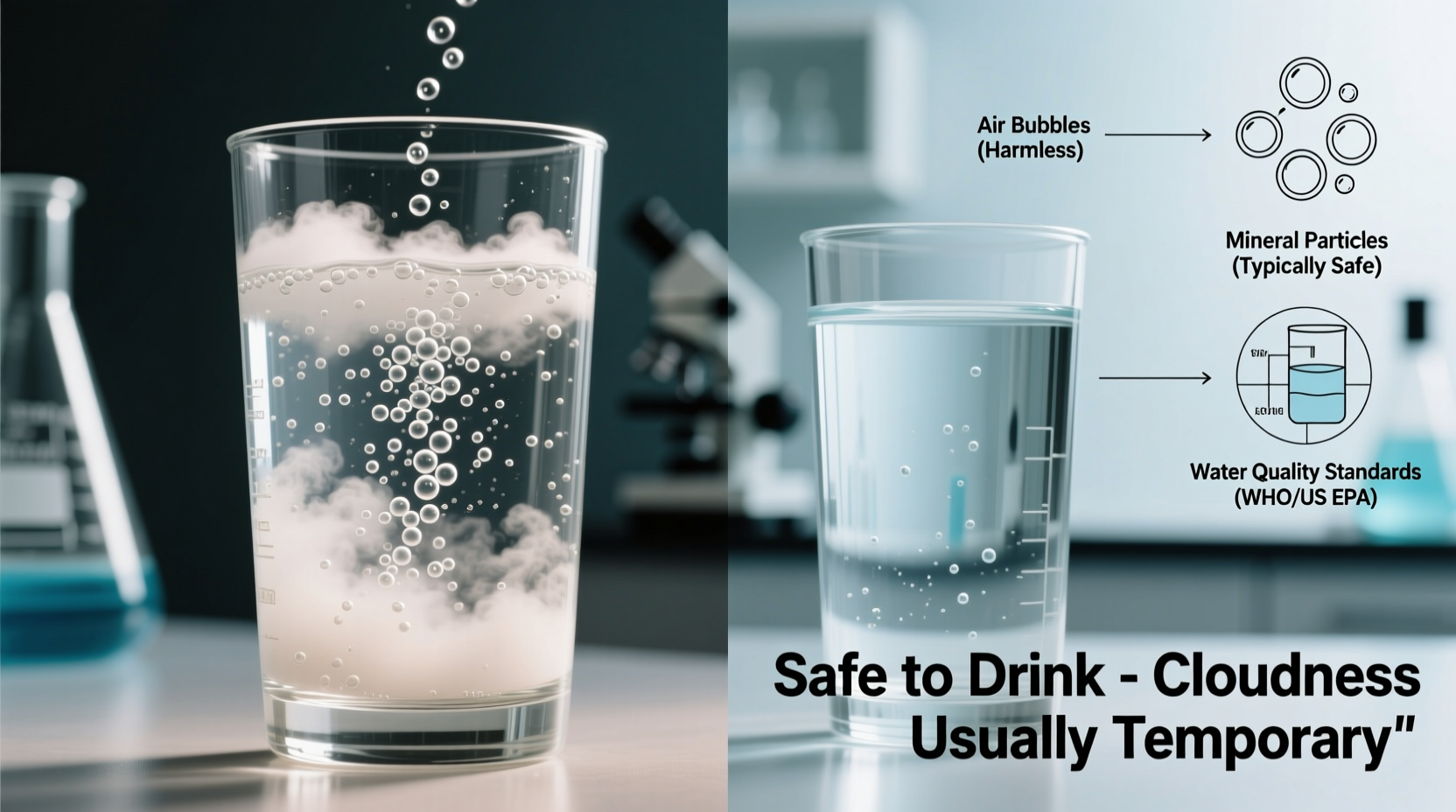 Why Is Tap Water Sometimes Cloudy And Is It Safe To Drink
The fun part: you’re not alone
Every single person has done the “hold the glass up to the light and squint” move. It’s a universal ritual. You’re basically a detective solving the case of the mysterious cloud.
And honestly, cloudy tap water is the least weird thing that happens in a day. Did you see that email from your boss? That’s way scarier.
So next time your water looks like a foggy morning, take a breath. Fill a glass. Wait one minute. If it clears, enjoy your temporarily carbonated water—it’s fancy and free.
If it doesn’t clear, run the tap for a minute or call a plumber. Most of the time, it’s just your plumbing having a little hiccup. Like you do when you laugh too hard at a bad pun.
And if you’re still unsure, remember: even bottled water can look cloudy if left in a hot car. The plastic expands, air gets in, and poof—you’ve got a mini cloud in a plastic bottle.
So go ahead: drink that cloudy water (after the two-minute test). Your kidneys have seen worse. Your brain will thank you for not stressing over bubbles.
And if someone asks why your water is cloudy? Just say it’s artisanal micro-bubble hydration. They’ll be jealous.
