Does An Ro System Remove Lead

You know that feeling when you turn on the tap, fill a glass, and wonder, “Is my water trying to give me superpowers… or super problems?” If you’re worried about lead, you’re...
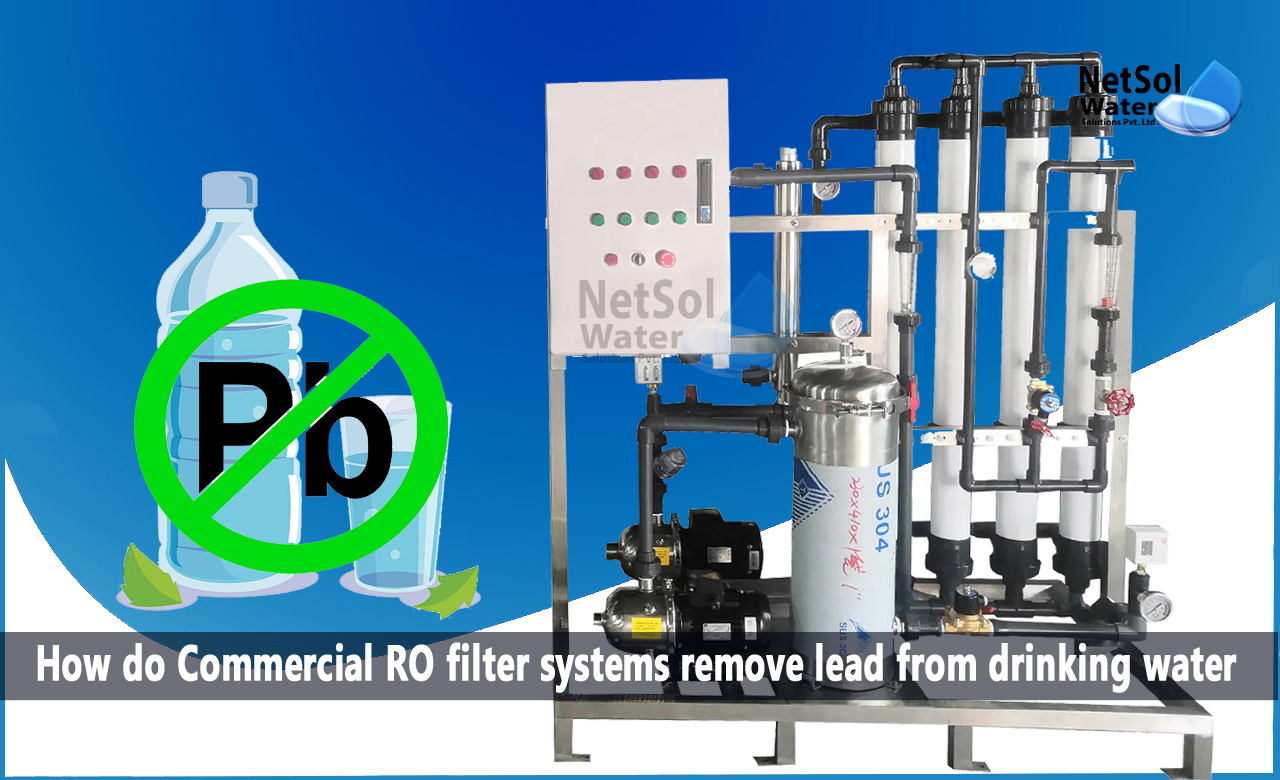
You know that feeling when you turn on the tap, fill a glass, and wonder, “Is my water trying to give me superpowers… or super problems?” If you’re worried about lead, you’re not alone. Lead is that nasty guest nobody invited to the water party. So, let’s cut to the chase: Yes, a Reverse Osmosis (RO) system absolutely removes lead. It’s like a bouncer at a club who says, “Sorry, Lead, you’re not on the list.” But let’s geek out for a second on why it works so well.
How RO Does Its Magic (No Wizard Hat Required)
Reverse Osmosis isn’t just a fancy term plumbers use to sound smart at parties. It uses a semi-permeable membrane—think of it as a microscopic strainer with holes so tiny, they make a coffee filter look like a colander. Water molecules squeeze through, but larger particles like lead, arsenic, and fluoride get left behind. It’s that effective.
Lead atoms are actually pretty big compared to water molecules. So when the RO system pushes water through that membrane under pressure, the lead simply bounces off. The EPA says RO can remove 96–99% of lead from your tap. That’s not just good—that’s “leap over the kitchen sink in joy” good.
Must Read
But Wait, There’s a Catch? (Of Course There Is)
Okay, let’s be real for a second. RO systems are amazing, but they’re not instant. You won’t get a lead-free glass of water in five seconds like you’re ordering fast food. The process takes a little time—and it also produces some wastewater, which is basically the water that carries the bad stuff away. Think of it as the bodyguard drinking the spilled drink so you don’t have to.
Also, RO systems need regular maintenance. If you forget to change the filters, your lead-removal party might turn into a lead-removal nap. Set a reminder on your phone, or name your filter “Filter McFilterface”—whatever works. Neglect isn’t cool, especially when lead is involved.
But What About Other Particles? (The Bonus Round)
Here’s the fun part: RO doesn’t just stop lead. It’s like a multi-tool for water purity. It also kicks out chlorine, pesticides, nitrates, and even some bacteria. You know that “pool-ish” taste from tap water? Gone. Your water will taste so clean, you’ll start offering it to guests like it’s fine wine. “This one has notes of… nothing. Absolutely nothing. Enjoy.”
One more thing: RO systems usually come with carbon pre-filters that catch larger gunk before it reaches the main membrane. So the lead never gets a chance to even try a sneak attack. It’s like having a two-layer security system for your hydration station.
 Does Reverse Osmosis Remove Lead From Water? Truth Revealed (2024)
The “But My Water Comes from a Well” Situation
If you’re on well water, you might have even more reasons to love an RO system. Lead can leach into well water from old pipes or nearby soil, and RO handles that like a champ. Just make sure you get a system designed for higher pressure or add a booster pump, because wells sometimes give water a bit less oomph. Your RO system doesn’t need a pep talk—it needs consistent pressure.
Still, the bottom line is the same: lead doesn’t stand a chance. Whether your water comes from a city pipe or a well in the backyard, RO is the superhero you didn’t know you were waiting for.
Now, Let’s Talk About the Elephant in the Room (Cost)
Good news: RO systems aren’t as expensive as you’d think. A solid under-sink unit can cost between $150 and $500, and they last years with proper care. Compare that to buying bottled water for a decade—and remember, bottled water isn’t always tested for lead anyway. At least with RO, you know exactly what’s happening. You’re not paying for fancy labels or that “mountain spring” photo that was probably taken in New Jersey.
Plus, think of the savings on future medical bills. Lead poisoning is no joke, especially for kids—it can cause developmental issues and other nastiness. So an RO system isn’t a luxury; it’s a smart, affordable investment in your family’s health. And it makes you look like a responsible adult, which is always a bonus at dinner parties.
 Does RO water systems remove Lead? Netsol's RO water Plants
The Only Real Downer: It Removes Good Stuff Too
Here’s a little honest pill to swallow: RO removes everything, including beneficial minerals like calcium and magnesium. That’s why some people add a mineral filter afterward or drop a pinch of pink salt into their glass. Don’t worry—your body gets those minerals from food anyway. You’re not going to turn into a fragile little mineral-deficient balloon.
If you really miss the taste of “hard water,” you can always buy a remineralizing cartridge. It’s like adding sprinkles back onto a perfectly healthy donut. You do you, water connoisseur.
Let’s Wrap This Up with a Big, Sparkly Bow
So, does an RO system remove lead? Yes, spectacularly, gloriously, and almost completely. It’s one of the most reliable solutions for peace of mind when you turn on that tap. No more wondering if your water is plotting against you. No more side-eyeing that old pipe under the sink.
You deserve water that’s as clean as your intentions—and an RO system delivers that with style. So go ahead, take a sip. Let that crisp, lead-free water dance on your tongue. You’ve earned this. And hey, if anyone asks why you’re smiling at your glass, just tell them you’re hydrating with science, effort, and a little bit of sass. Cheers to you, you shiny, water-smart human.
Now excuse me while I go refill my own glass. I’ve got lead to ignore. 🎉
