Does Illinois Have Hard Water

So, you’ve just moved to Illinois, or maybe you’re a lifelong resident who’s suddenly noticing a weird film on your coffee mug. You’re scrubbing your showerhead, your skin fee...
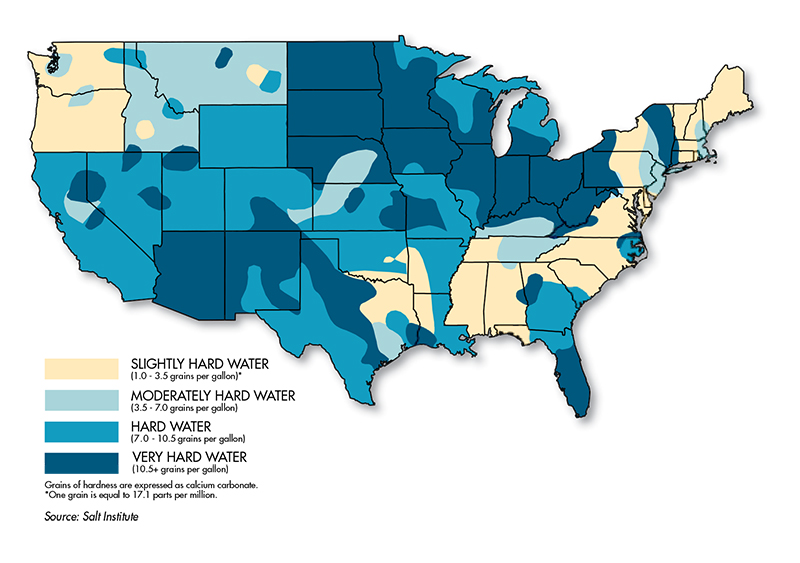
So, you’ve just moved to Illinois, or maybe you’re a lifelong resident who’s suddenly noticing a weird film on your coffee mug. You’re scrubbing your showerhead, your skin feels like sandpaper, and your laundry smells… well, like a wet dog after a swim in a mountain stream. The big question on everyone’s mind: does Illinois have hard water?
Spoiler alert: Yes, it does. But it’s not all bad news, and not every drop is a calcium-packed nightmare. Let’s dive in—pun totally intended—and sort out the fizzy facts from the cloudy myths.
The Short, Shocking Answer
Illinois is basically the hard-water capital of the Midwest. Most of the state gets its water from underground aquifers that flow through limestone and dolomite—which is just nature’s way of saying “rock candy for your pipes.”
Must Read
This means calcium and magnesium dissolve into the water like a slow-motion tea bag. The result? Water that’s harder than a geometry test on Monday morning.
According to the USGS, Illinois water averages between 150 and 300 parts per million (ppm) of hardness. For reference, anything above 120 ppm is considered “hard.” So, yeah—we’re in the deep end.
Chicago: The Exception That Proves the Rule
Here’s where it gets fun. If you live in Chicago or the surrounding suburbs, you’re drinking Lake Michigan water—which is actually soft. Lake Michigan has about 100-120 ppm, which is moderate to borderline soft. It’s like the cool, easygoing cousin of the rest of the state.
But drive just 30 miles west to Aurora or Joliet? Boom. Rock-hard water. It’s a tale of two Illinoises: the soft-water lakefront paradise and the hard-water limestone jungle. If you’re in Peoria, Springfield, or way down in Carbondale, you’re living on the hard side of life.
What Does Hard Water Do to You?
Let’s get real: hard water isn’t dangerous—you can drink it, bathe in it, and even make a decent cup of tea. But it is a total drama queen when it comes to your home and body.
Your hair will look dull and feel like straw. Your skin might get dry and itchy because soap doesn’t rinse off properly—it leaves a sticky layer that feels like you’re wearing a ghost shirt. And your dishes? They’ll have white spots that make them look like a dalmatian’s water glass collection.
 Water Treatment Service - THE ABQ HANDYMAN - 505-289-1102
Your appliances suffer too. That water heater? Working 30% harder to heat the same amount of water because minerals are building up inside. You’ll notice your washing machine needs more detergent, and your coffee maker might start producing a brew that tastes like “mineral essence” (and not the fancy kind).
The Hidden Hero: Limescale
You know that crusty, white gunk on your faucet? That’s limescale—the rock star of hard water problems. It forms when calcium and magnesium deposit on surfaces. It’s harmless, but it’s incredibly stubborn. You can scrub it, curse at it, and even sing sad songs to it, and it will just sit there, laughing at your sponge.
Some people say it makes their water taste like “mineral water,” but let’s be honest—it’s more like chalk-flavored tap water. Not exactly a Michelin star.
But Wait—Is There a Bright Side?
Absolutely! Hard water is actually good for your bones (if you drink it) because it’s loaded with calcium and magnesium. Think of it as a free, daily multivitamin that also annoys your dishwasher. You’re welcome, skeleton.
And here’s the kicker: Illinois hard water is famous for its quality. The same minerals that cause the scale also give the water a crisp, clean taste that many people prefer over soft, “slippery” water. Some cities—like Naperville and Evanston—have legendary water that’s been praised by brewers and chefs for decades.
Plus, hard water is a natural exfoliant. Okay, that’s not true, but you can pretend your shower is giving you a free “detoxifying mineral scrub.” Spice up your morning routine with a little imagination!
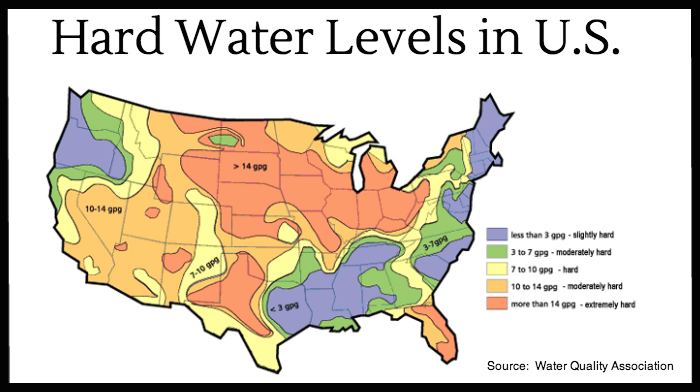 Hard Water Havoc: Is Your State at Risk
So, What Can You Do About It?
If you’re tired of limescale and dry skin, you have options. Water softeners are the classic solution—they swap calcium with sodium, making the water “soft” and sudsy. You can install a whole-house system for a few hundred dollars and wave goodbye to spotty glasses forever.
Or, if you’re on a budget, showerhead filters and descaling sprays work wonders on a smaller scale. And here’s a pro tip: add a splash of white vinegar to your dishwasher rinse aid compartment—it melts limescale like magic. Your dishes will thank you.
Don’t forget to drink more water! Hard water is still safer and cleaner than bottled water in most cases. Just maybe warn your sink that you’re coming for it with a scrub brush.
The Uplifting Conclusion
So, does Illinois have hard water? You bet your limestone bedrock it does. But here’s the thing: hard water is a sign of a strong, mineral-rich environment. It means your water has traveled through ancient rock, picked up nature’s best nutrients, and arrived at your tap ready to fuel your day.
Sure, it leaves a little film on your kettle. But it also means your pizza dough rises better, your plants get essential minerals, and your coffee is actually healthier because of that extra calcium. Think of hard water as your state’s quirky, lovable personality—a little crusty on the outside, but full of heart on the inside.
So next time you see those white spots on a glass, smile. You’re drinking a piece of Illinois history. And if all else fails, just add a water softener, a laugh, and a slice of lemon—you’ve got this. Cheers to the Prairie State: where the water is hard, but the people are soft-hearted.
