Does Coke Help With Digestion

So, you’ve just polished off a plate of spaghetti that could feed a small village, and that familiar, bloated feeling is creeping in. You might be tempted to reach for a cold,...
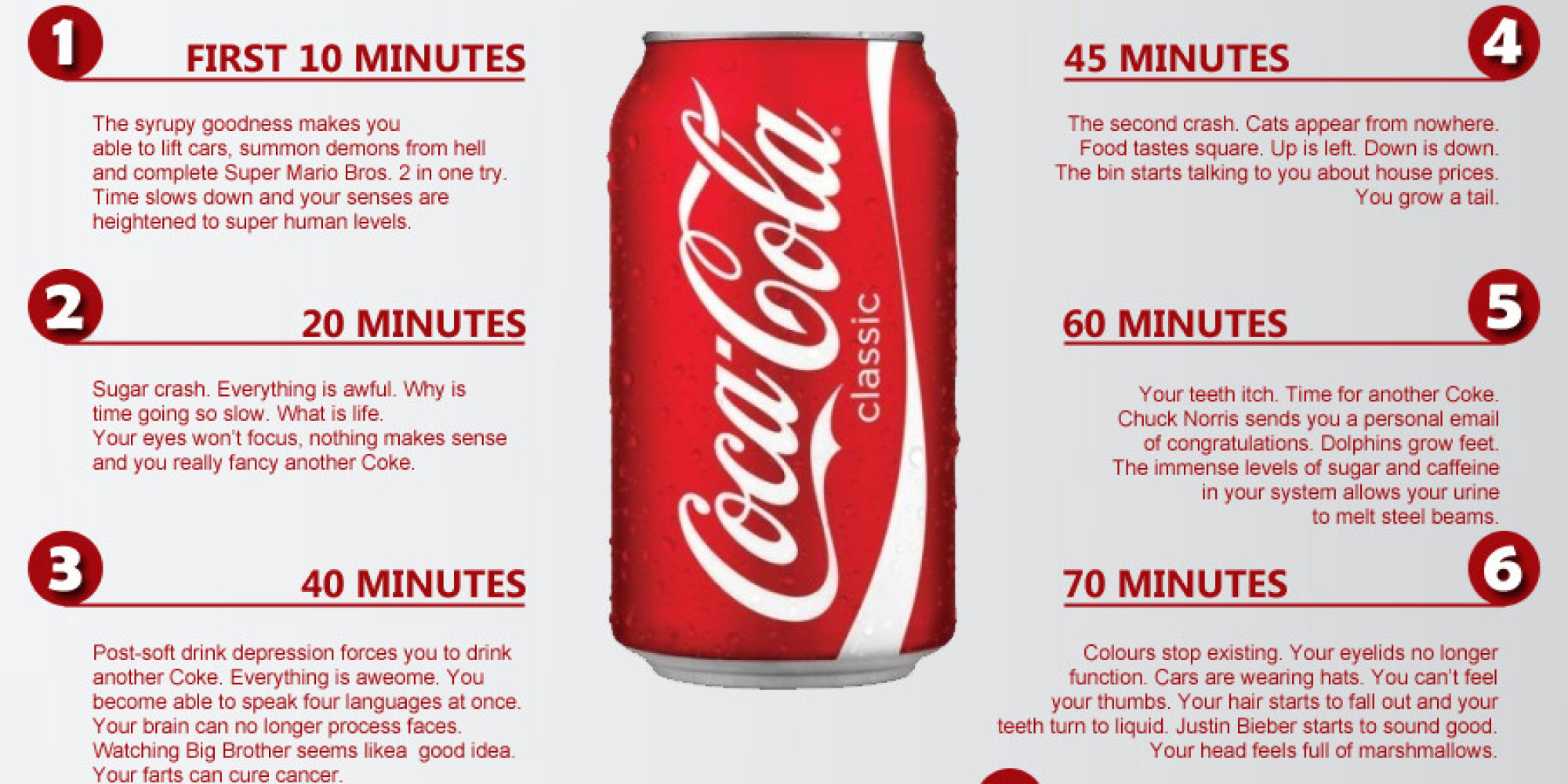
So, you’ve just polished off a plate of spaghetti that could feed a small village, and that familiar, bloated feeling is creeping in. You might be tempted to reach for a cold, fizzy Coke, because Grandma swore by it, right? She’d pop a can after Sunday roast and claim it “settled her stomach.” But does the King of Sodas actually help with digestion, or is it just giving you a carbonated placebo with a side of marketing genius?
The Great Bubbles vs. Burp Factor
Let’s start with the obvious hero: carbonation. Those fizzy little bubbles don’t scientifically digest your food, but they do one thing brilliantly—they make you burp. That glorious, window-rattling belch releases trapped gas from that feast, temporarily relieving pressure. It’s like popping the cork on a champagne bottle of your own stomach. Grandma wasn’t completely wrong; she just confused “relief from gas” with “actual digestion.”
But here’s the cosmic joke: while the burp makes you feel better, the carbonation also bloats you first. You’re essentially flooding your stomach with gas to create a tiny gas explosion out of it. It’s the digestive equivalent of fighting fire with a flamethrower. Works in the moment, but your intestines are holding a grudge.
Must Read
The Acidic Truth (and a History Lesson)
Coca-Cola is basically a can of carbonic acid and phosphoric acid—the same stuff that strips rust off old car batteries. Now, your stomach acid is already brutally strong (pH of 1.5 to 3.5), so adding more acid isn’t really “helping.” In fact, downing a Coke on a full stomach can sometimes irritate your esophagus or worsen heartburn. Your call, buddy.
Oddly enough, there’s a weird medical trick: doctors have used Coke to dissolve bezoars—those nasty clumps of undigested food that get stuck in the stomach. That’s right: a 2013 study found that drinking Coke could break up these hair-tumor-like chunks in some patients. So, Coke can digest stuff... but it’s basically using its corrosive powers on something that’s already trying to kill you. Not exactly the same as breaking down your burrito.
The Sugar Rollercoaster
Now, let’s talk about the mountain of sugar in a regular Coke—about 39 grams (roughly ten sugar cubes). At first, that sugar hits your system like a rocket. It gives you a cute little energy boost, and sugar does stimulate the release of insulin and certain gut hormones. But what goes up must come crashing down—and then you’re left with an angry pancreas and a sugar crash that makes you crave another Coke. It’s a digestive bait-and-switch.
 Pin on Health
Your gut microbiome, the trillions of tiny bacteria that actually do the real digestion, hates this. Too much sugar feeds the bad bacteria, leading to bloating, gas, and a general microbial rebellion. Your good bacteria are basically waving tiny pitchforks every time you crack open a can. Coke is not their friend.
The “Ice-Cold” Myth
Here’s another fun fact: cold beverages slow down digestion. When you chug an ice-cold Coke, your stomach has to warm that liquid up before it can effectively break down food. It’s like making your digestive system put on a sweater, then run a marathon. Drink warm water or ginger tea, and your enzymes work faster. Drink a frozen Coke, and you’ve basically hit the “pause” button on your gut.
But wait, there’s more tragic irony: the phosphoric acid in Coke can interfere with calcium absorption. And calcium is crucial for normal muscle contractions—including the muscles that push food through your digestive tract. So you’re essentially slowing down the conveyor belt of your own intestines. Nice.
 What really happens Inside Your Stomach After Drinking Coca Cola | 3D
What About Diet Coke?
“Ah,” you say, “I’ll drink Diet Coke! Zero sugar!” Great, except you’ve swapped the sugar for artificial sweeteners like aspartame. These trick your taste buds, but your gut bacteria are not amused. Some studies suggest artificial sweeteners can alter your microbiome in ways that lead to glucose intolerance—your body’s ability to handle real sugar takes a hit. You’re not fooling anyone, especially not your colon.
And let’s be honest: Diet Coke still has all that carbonation and acid. So you’re still getting the bloating, the burps, and the potential heartburn. The only thing “diet” about it is the absence of actual nutritional value.
The Verdict (Served with a Side of Sarcasm)
So, does Coke help with digestion? No, it does not. It’s the digestive equivalent of a drunk uncle at a wedding—shows up uninvited, makes a lot of noise, causes a brief distraction, and leaves a mess for the hosts (your liver and pancreas) to clean up. Real digestion helpers include water, fiber, ginger, peppermint, and, you know, not drinking a beverage that can be used to clean pennies.
But here’s the punchline: If you love Coke, drink it anyway. Life is short, and I’ve never met a person at a barbecue who said, “Pass me a sparkling water with lemon, I need to optimize my gut microbiome.” Just don’t pretend it’s medicine. Sip it for the joy, the nostalgia, and the excuse to let out a satisfying burp in public. Your stomach will forgive you, even if your microbiome won’t.
