What Does Water Filtration Do

Ever taken a sip of water and thought, “Hmm, what’s actually in this?” You’re not alone. Water filtration is basically the ultimate backstage pass to your glass of H2O. It’s n...

Ever taken a sip of water and thought, “Hmm, what’s actually in this?” You’re not alone. Water filtration is basically the ultimate backstage pass to your glass of H2O.
It’s not magic, but it sure feels like it. A filter is like a bouncer at a club, only letting the cool, clean molecules through while kicking out the riffraff.
Think of unfiltered tap water as a wild, untamed river. Filtration is the gentle guide that turns that river into a calm, crystal-clear lake you’d actually want to swim in.
Must Read
What exactly is it removing?
Good question! The stuff filters catch isn’t always scary, but it can be annoying. We’re talking about things like chlorine (that pool smell), sediment (tiny dirt bits), and even some heavy metals like lead.
It’s a bit like having a personal assistant for your tap. You wouldn’t want your coffee stained with yesterday’s tea, right? Filters ensure your water tastes like water, not a chemistry experiment.
Some advanced filters even tackle microplastics and bacteria. That’s like having a tiny, invisible superhero on duty 24/7 in your kitchen.
The cool science behind the sip
Here’s where it gets interesting: different filters have different personalities. A carbon filter is like a magnet for bad tastes and odors, soaking them up like a sponge soaks up spilled juice.
Then there’s reverse osmosis, which is the overachiever of the group. It forces water through a membrane so tight that only water molecules themselves can pass. It’s like a VIP lounge for H2O.
And don’t forget UV filters, which blast unwanted germs with light so intense they basically wave the white flag. It’s death by lightbulb for bacteria—pretty wild, right?
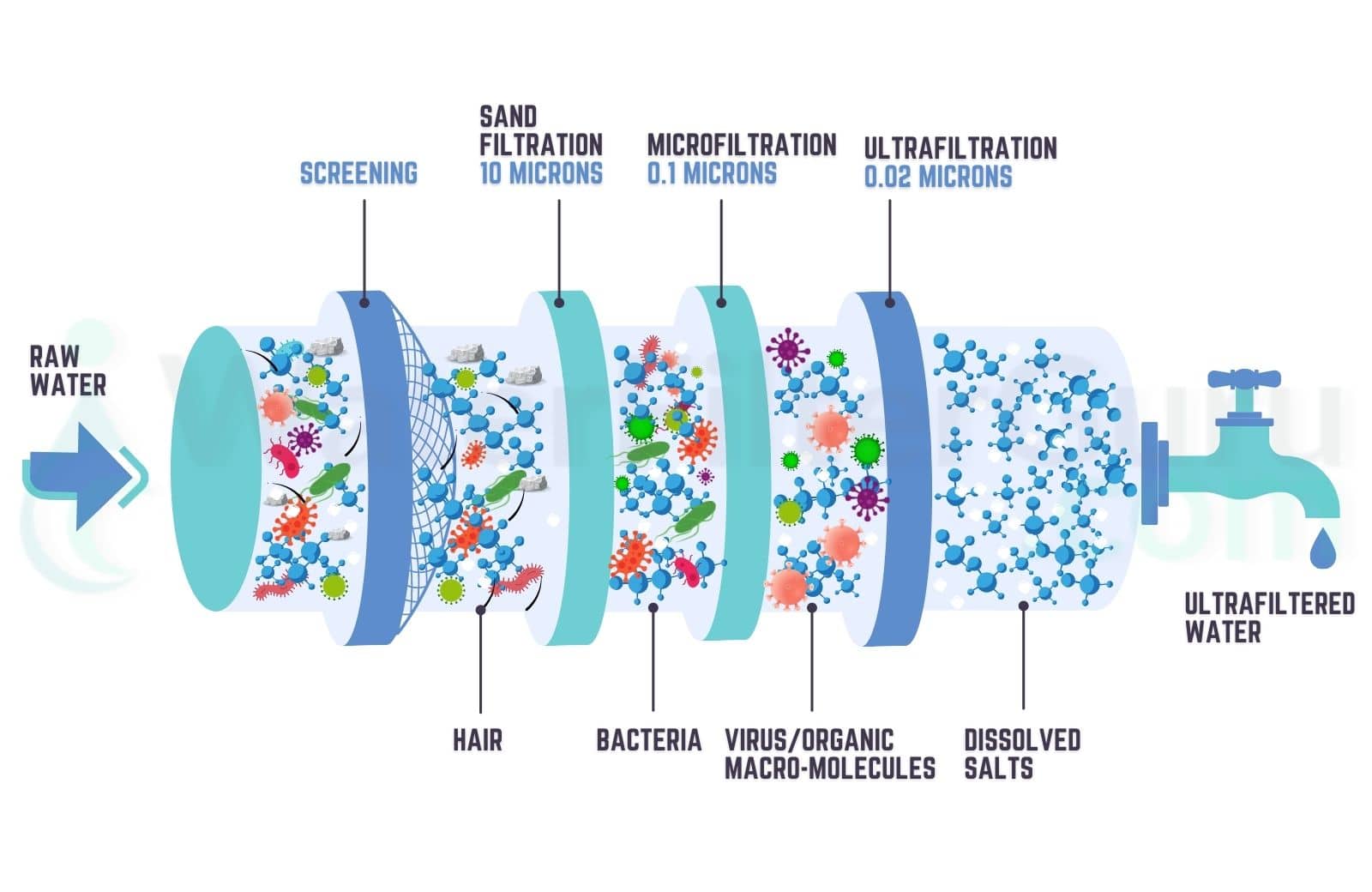 Water Filtration Systems | The 2026 Guide to Water Filters
Why even bother in the first place?
Honestly, the biggest win is taste. If you’ve ever complained about “funny-tasting tap water,” a filter is your best friend. It strips away the weirdness and leaves you with something clean and crisp.
There’s also a subtle health perk. While municipal water is usually safe, filters add an extra layer of peace of mind. It’s like wearing a seatbelt even though you’re a great driver.
And let’s not forget the planet. Using a filter means buying fewer plastic bottles. That’s one small filter doing a big favor for the ocean. Pretty cool, huh?
But does it remove the good stuff?
Ah, the classic worry. Some filters do strip out healthy minerals like calcium and magnesium. It’s a trade-off—like swapping a fancy steak for a simple salad.
But many modern filters are designed to keep the good stuff in while kicking the bad stuff out. It’s all about choosing the right tool for your tap.
Think of it as a curator for your water. You wouldn’t want all the art removed from a museum, just the messy graffiti. Same logic applies here.
 What do Water Filters Remove from Drinking Water?
The fun comparison: Water is like a smoothie
Imagine unfiltered water is a smoothie with random chunks of ice, bitter seeds, and a weird aftertaste. Filtering is like blending it smooth and adding a splash of sweetness.
It doesn’t change the fact that it’s water. It just makes it way more enjoyable to drink. You wouldn’t eat a salad with dirt still on the leaves, right?
So next time you pour a glass, give a little nod to that humble filter. It’s doing the heavy lifting so you don’t have to think twice.
Is it just for water?
Not at all! A good filter can make your morning coffee taste richer, your pasta cook better, and even help your houseplants thrive. Everything is better with clean water.
It’s the quiet upgrade you never knew you needed. Like getting a better mattress, but for your kitchen faucet.
So, curious yet? Maybe it’s time to give your tap a little makeover. Your taste buds—and your planet—will thank you.
