What Does A Tds Meter Measure

Okay, so you’ve seen these little gadgets, right? Maybe a buddy pulled one out to test their aquarium, or you saw one in a hydroponic kit. It looks like a fancy thermometer, b...
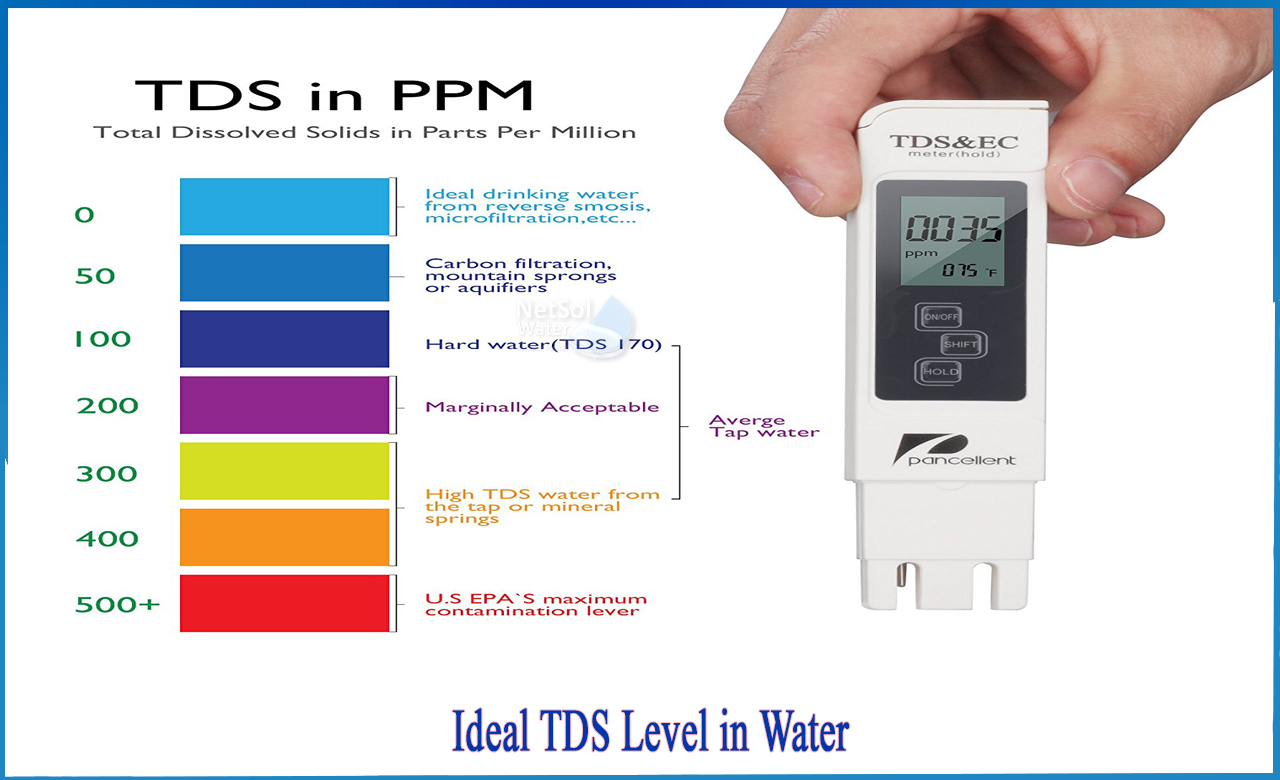
Okay, so you’ve seen these little gadgets, right? Maybe a buddy pulled one out to test their aquarium, or you saw one in a hydroponic kit. It looks like a fancy thermometer, but it's not. That’s a TDS meter. And you’re wondering, what does that thing actually measure?
Let’s break it down, no chemistry degree required.
TDS stands for Total Dissolved Solids. Basically, it’s the stuff that’s dissolved in your water that you can’t see. We’re not talking about dirt or sand—that’s solid. We’re talking about microscopic bits like minerals, salts, and metals.
Here’s the kicker: the meter doesn’t actually “see” the solids. It’s sneaky. It measures the electrical conductivity of the water. Clean, pure water is a terrible conductor. Once you add dissolved stuff—like calcium or magnesium—it conducts electricity better. The meter figures out how much junk is in there based on how easily the current flows.
Must Read
So, what’s it good for? (Besides looking mad scientific.)
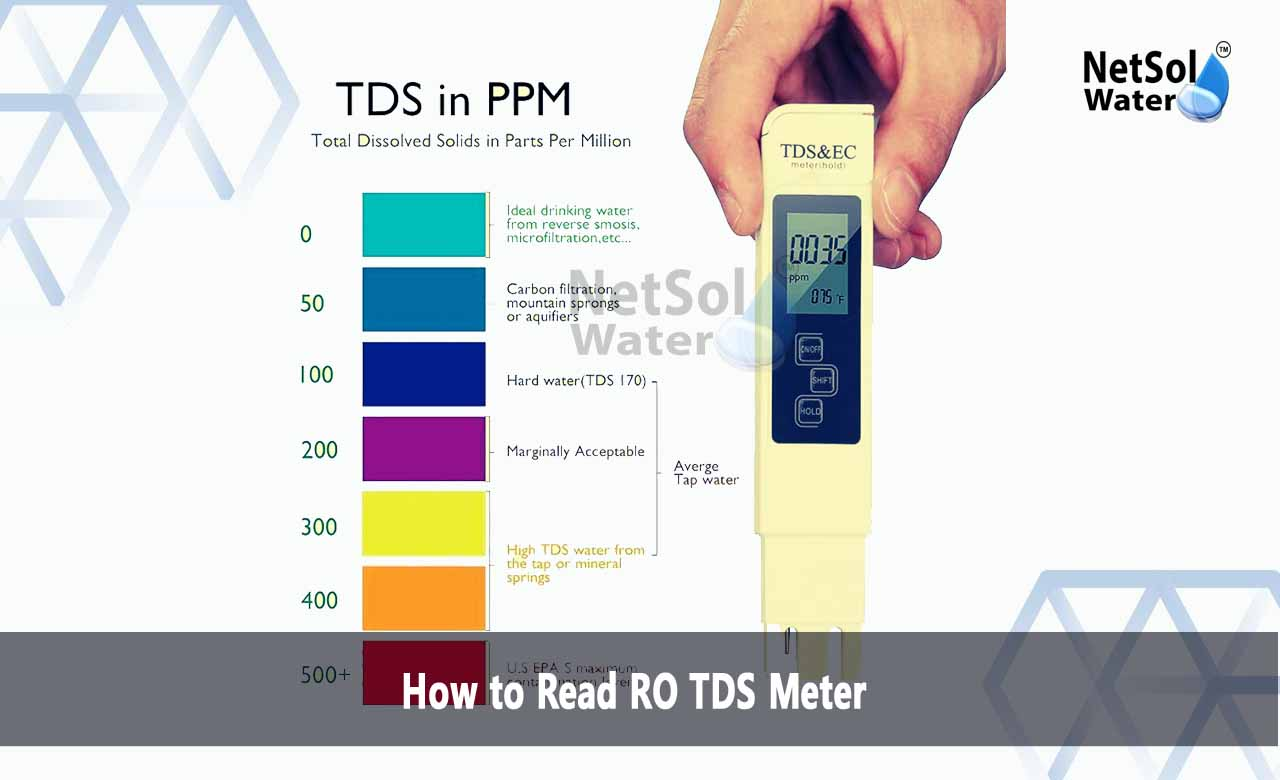
Ever wonder if your tap water is “hard”? A TDS meter gives you a number. Low numbers (like 0–50 ppm) mean very pure water. Think distilled or reverse osmosis water. High numbers (like 300+ ppm) mean your water is packed with minerals. It’s not necessarily bad—spring water often has a TDS of 200–500—but it’s good to know.
Aquarium geeks love these things. Why? Because fish can be dramatic. If the TDS in your tank suddenly spikes, your fish might give you the stink eye. The meter helps you catch problems before your goldfish plans a mutiny.
But wait—does it measure health? Don’t get fooled.
This is where I have to wave a tiny red flag. A TDS meter does not tell you if your water is safe to drink. It can’t detect bacteria, viruses, or most chemicals. That number you see? It could be harmless calcium or toxic lead. The meter treats them the same. So no, you can’t just dip it in a puddle and declare it “safe.”
Think of it like a metal detector at the beach. It beeps for a coin, but it also beeps for a rusty bottle cap. The TDS meter beeps for “stuff,” but it doesn’t tell you if that stuff is a treasure or trouble.
 What Does A Tds Meter Measure In Water at Gabriel Antwan blog
Real-world uses (and why you might actually buy one).
If you’re into coffee, this is your new best friend. Coffee snobs (and I say that with love) use TDS meters to dial in their brew. Water with a TDS of 150–200 ppm is usually perfect for extraction. Too high? Your coffee tastes like burnt tire. Too low? It tastes flat and sad. Yes, it’s nerdy. But good nerdy.
Gardeners and hydroponic growers live by TDS meters. Your plants are picky eaters. A TDS reading tells you how much fertilizer is actually dissolved in the water. Too much? You’re burning the roots. Too little? Your tomatoes are starving. It’s like a food scale for your veggies.
How to use one (it’s embarrassingly simple).
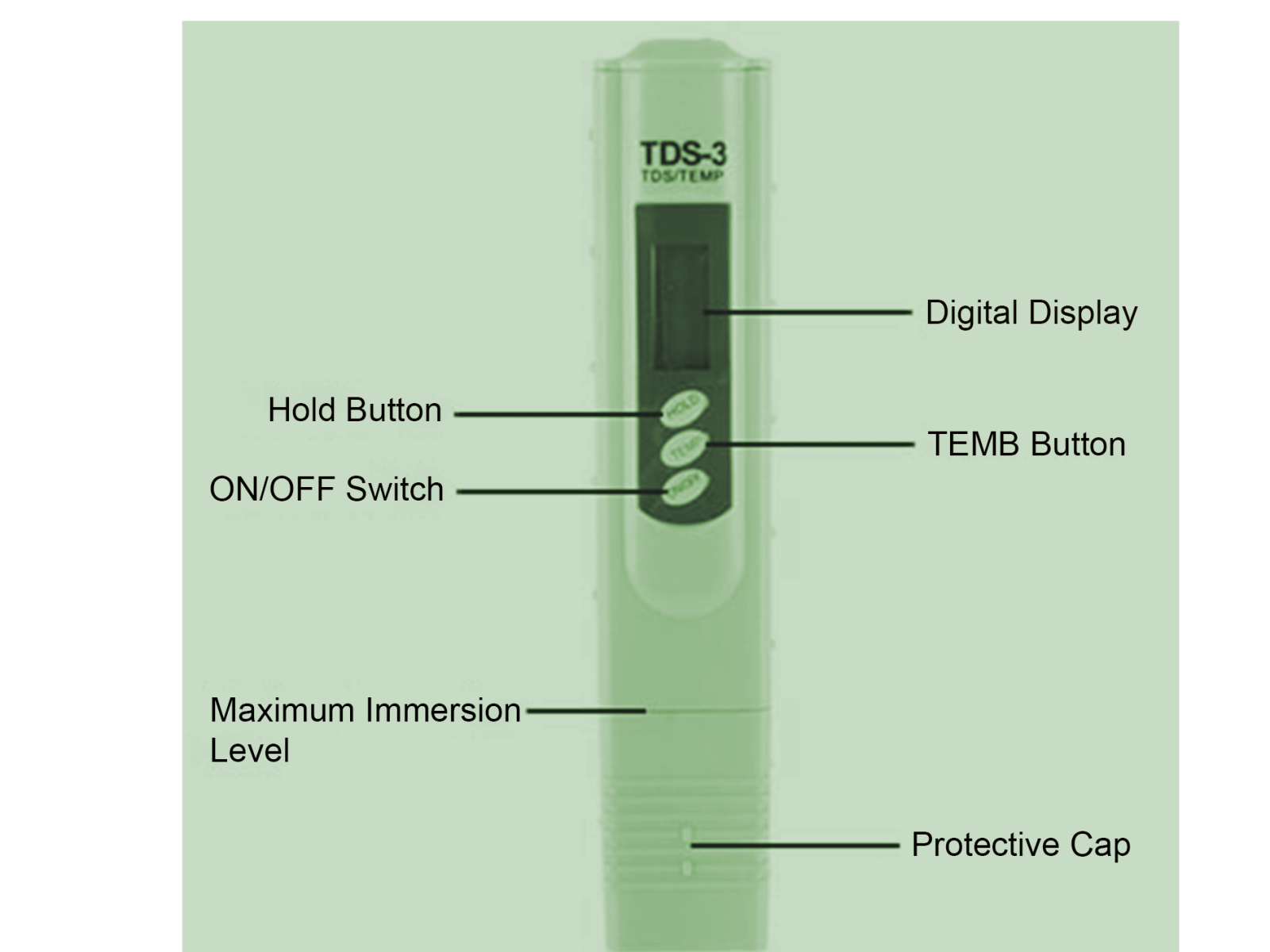
Turn it on. Dip the tip into water. Wait for the number to stop jumping around. That’s it. No buttons, no rituals. Some meters have a “hold” button, but honestly, you don’t even need it. Read the number, wipe it off, move on with your life.
Just don’t drop it in your coffee. Or your fish tank. Or your cup of existential dread. It’s not waterproof—or soul-proof.
 TDS METER - Agrawal Total Solution
The big question: Should you buy one?
It depends. If you’re a casual human who just drinks tap water and doesn’t care? Skip it. But if you’re curious, if you’re a hobbyist, or if you’re the type who tests their pool water with a lab coat? Grab one. They’re like $15. That’s less than a fancy lunch.
You’ll suddenly want to measure everything. The puddle outside. Your buddy’s mysterious basement swamp. The water from that old garden hose. It’s a gateway obsession, I won’t lie.
Final thought: Don’t overthink it.
A TDS meter is just a tool. It gives you a number. It’s not a magic health wand. It won’t tell you if your water is delicious or dangerous. But it will tell you if your water is “water” or “mineral soup.” And sometimes, that’s exactly the kind of answer you need while sipping your coffee, wondering why your goldfish looks judgmental.
So go ahead. Get one. Test your tap water. You might be shocked. Or bored. But at least you’ll know.
