Why Does My Water Look Yellow

You know that moment. You pour a glass of water from the tap, expecting it to be crystal clear. Instead, it looks like someone brewed a very weak cup of iced tea. You stare at...
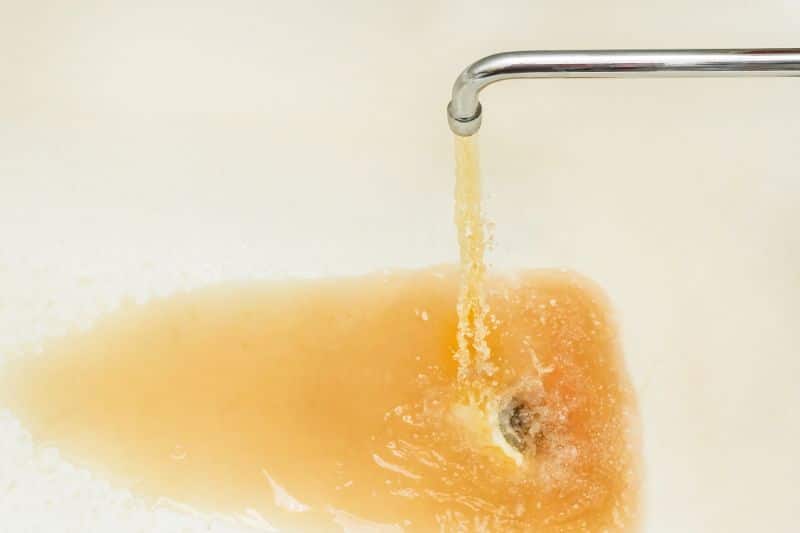
You know that moment. You pour a glass of water from the tap, expecting it to be crystal clear. Instead, it looks like someone brewed a very weak cup of iced tea. You stare at it, tilting the glass toward the light. Your first thought is probably, “Did I grab a dirty glass?” Nope. It’s the water.
Before you panic and imagine little yellow monsters swimming around, take a deep breath. The good news is that yellow water is usually harmless. It’s more of a cosmetic issue than a health emergency. Think of it like finding a funny-looking sock in the laundry—odd, but not a disaster.
Your Neighbor, the Rust Monster
A common culprit is iron and manganese. These minerals naturally live in the ground, and your water picks them up on its journey to your tap. When they get stirred up, they can turn your water a gentle yellow or orange-brown.
Must Read
It’s a bit like shaking a bottle of old, dusty coins. The particles loosen, and suddenly your water has a “vintage” hue. This is especially common after the city flushes fire hydrants or when a water main breaks nearby.
But don’t worry—your water isn’t turning into a science experiment gone wrong. It’s just minerals saying “hello.” You can still shower with it (though your white towels might get a slight, temporary tint).
When the City Does the Cha-Cha
Sometimes the yellow water appears after your local utility company cleans the pipes. They use high-pressure flushing to remove sediment, and that sediment has to go somewhere. Unfortunately, that “somewhere” is often your pipes.
It’s like when you sweep a dusty room and the dust cloud settles on your sofa. Give it an hour or two, run the cold water for a few minutes, and it usually clears up. Most cities notify residents ahead of time—so check their website or social media if you see an outbreak of yellow.
If you ignore it and drink it, the taste might be a bit metallic. But it’s not going to hurt you. It’s just a temporary, crunchy moment for your taste buds.
Your Old Pipes Are Talking
If you live in an older home, the pipes themselves could be the problem. Galvanized steel pipes from the 1950s and earlier can rust from the inside. When the rusty flakes break off, they turn your water a lovely shade of Goldfish cracker yellow.
 Why is My Water Yellow? | Culligan Quench
Think of your water pipes like a pair of jeans that have been washed 300 times. Eventually, the dye starts to fade and rub off. Your pipes are just wearing out. This isn’t a crisis, but it’s a sign you might want to consider replacing them someday.
In the meantime, try not to use hot water for drinking or cooking when it looks yellow. Hot water picks up more rust from the pipes than cold water does. Stick with the cold tap for your coffee or pasta night.
Well Water? That’s a Special Club
If you have a private well, you’re in the “rust and tannins” club. Tannins come from decaying leaves and organic matter soaking into the ground. They turn water yellow-brown, like a gentle cup of black tea.
Well water yellow is usually safe, but it can stain your laundry. It’s like having a permanent “art project” going on in your washing machine. If it bothers you, a simple water softener or carbon filter can fix it.
But don’t feel pressured to buy the most expensive system on the market. Test your water first. A cheap home test kit from the hardware store will tell you exactly what’s in there. Knowledge is power—and less yellow laundry.
The “Panic Button” Moment
Let’s be real for one second. There is one scenario when yellow water is more than a funny story. If the water smells like bleach or rotten eggs, that’s a different issue. A strong chlorine or sulfur smell means you should call your water company.
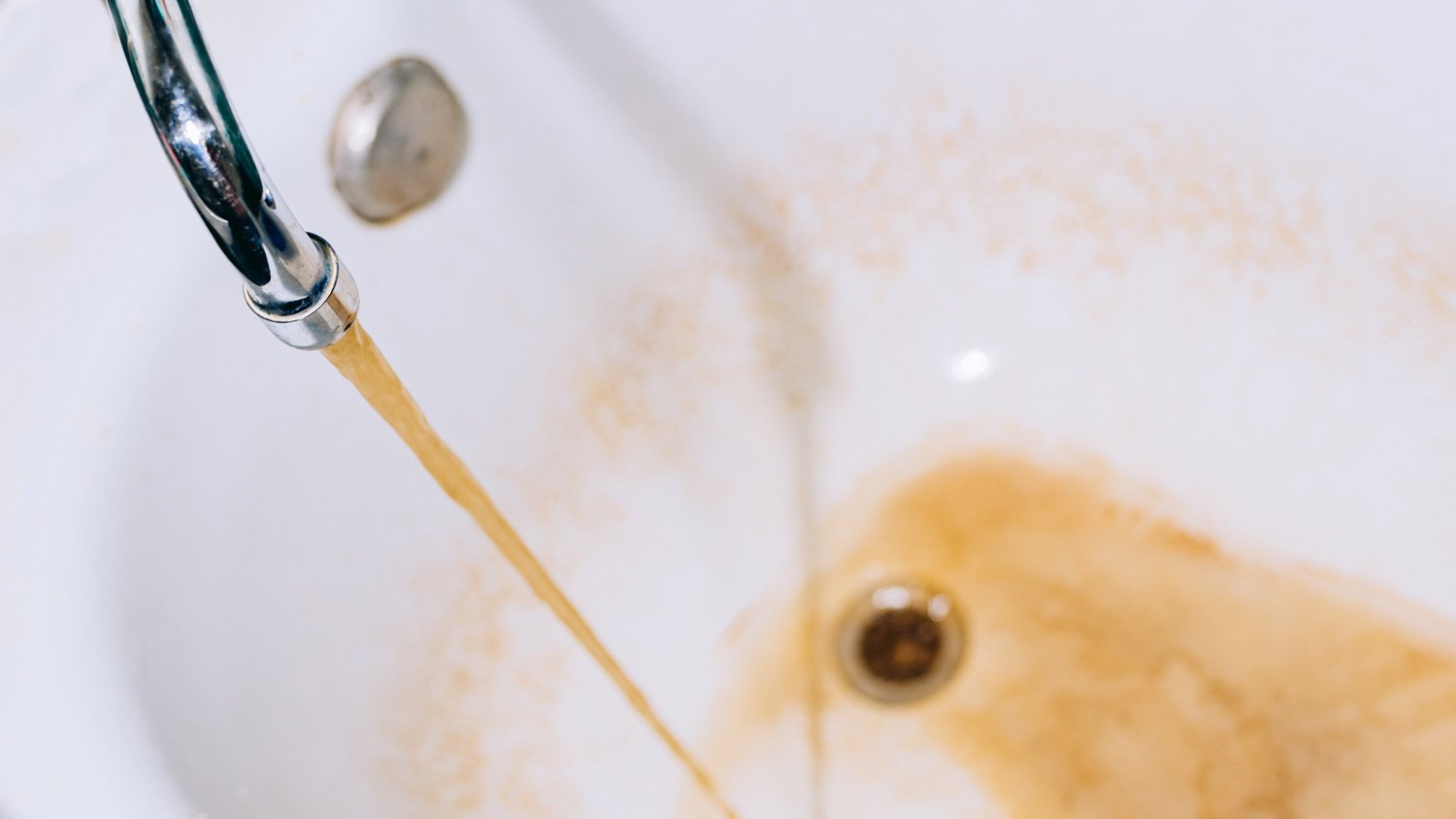 Why Is My Bath Water Yellow? | Angi
But for the vast majority of us, yellow water is just a nuisance, not a nightmare. It’s the pothole of plumbing—annoying, but not the end of the road.
When in doubt, fill a clear glass. Let it sit for 30 minutes. If the yellow settles at the bottom, it’s sediment—totally normal. If it stays yellow and doesn’t clear, run the tap for a few minutes. Nine times out of ten, it’s gone.
Why You Should Care (Fun Edition)
The real reason to care about yellow water is your sense of peace. You don’t want to spend your morning wondering if your coffee is secretly the color of a highlighter. It’s about trust in the simple things.
Also, your white shirts will thank you. If you wash them in yellow water, they might start looking like vintage band t-shirts—which is cool, but only on purpose. Nobody wants a “rust ombre” look on a work blouse.
Most importantly, knowing why your water is yellow turns you into a household detective. You can tell your partner: “Relax, it’s just the city flushing pipes.” You’ll look smart and calm. That’s a win for everyone.
So next time you see that golden water, don’t panic. Pour yourself a glass of something else, run the faucet for a bit, and carry on. Your water is just having a little personality moment. You can handle it.
