Does Warm Water Kill Bacteria

So, you’re standing at the sink, staring at a sponge that’s seen better days. Or maybe you’re about to wash a cut and wondering: does warm water really kill bacteria? Let’s gr...
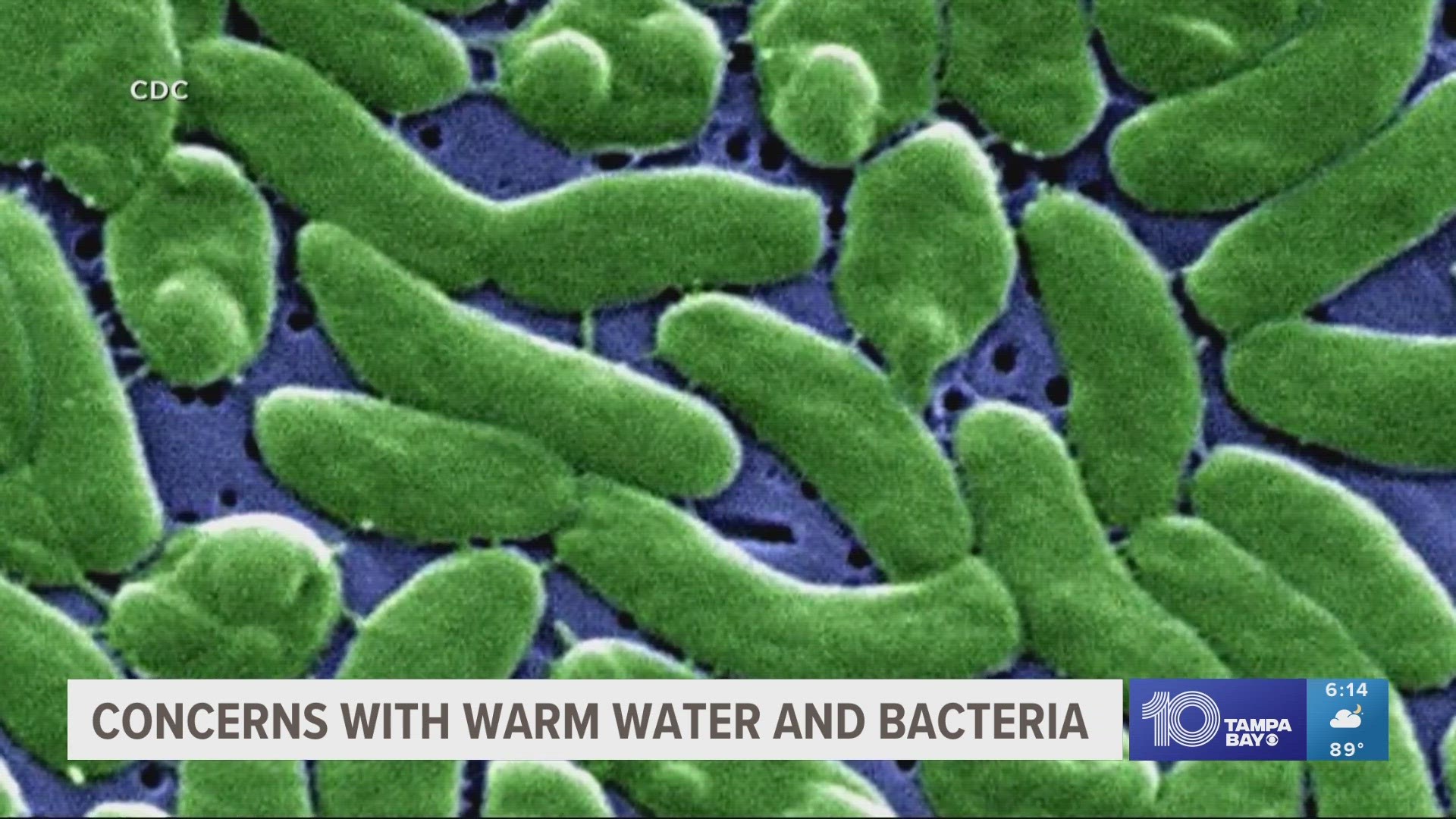
So, you’re standing at the sink, staring at a sponge that’s seen better days. Or maybe you’re about to wash a cut and wondering: does warm water really kill bacteria? Let’s grab a virtual coffee and get into it. Spoiler alert: the answer is a little more complicated than a simple yes or no.
The short version: it depends on what you mean by “warm.”
Your kitchen tap’s “warm” setting? That’s around 100–120°F (38–49°C). That’s warm, not hot. And bacteria love that temperature—it’s like a spa day for them. They’re throwing tiny pool parties, not dying.
To actually kill bacteria with water, you need serious heat. We’re talking 140°F (60°C) at minimum, and even then it takes a while. Water needs to be near boiling, around 160–180°F, to do real damage in seconds.
Must Read
But wait—doesn’t warm water help with washing?
Yes, but not because it kills germs. Warm water helps soap work better. It melts oils and lifts dirt, so bacteria get physically rinsed away. Think of warm water as the wingman, not the hero.
The real hero is friction and soap. Scrubbing your hands for 20 seconds with soap removes bacteria. Warm water just makes the process smoother (and more pleasant, honestly).
What about cold water? Is it useless?
Not at all! Cold water with soap is just as effective at removing bacteria. Studies have shown it’s the act of washing, not the water temperature, that matters most. So don’t feel bad if you hate waiting for the tap to heat up.
But here’s the kicker: if you’re trying to sterilize something (like a baby bottle or a cutting board), warm tap water won’t cut it. You need boiling water or a dishwasher’s super-heated rinse cycle. Otherwise, you’re just giving germs a bath.
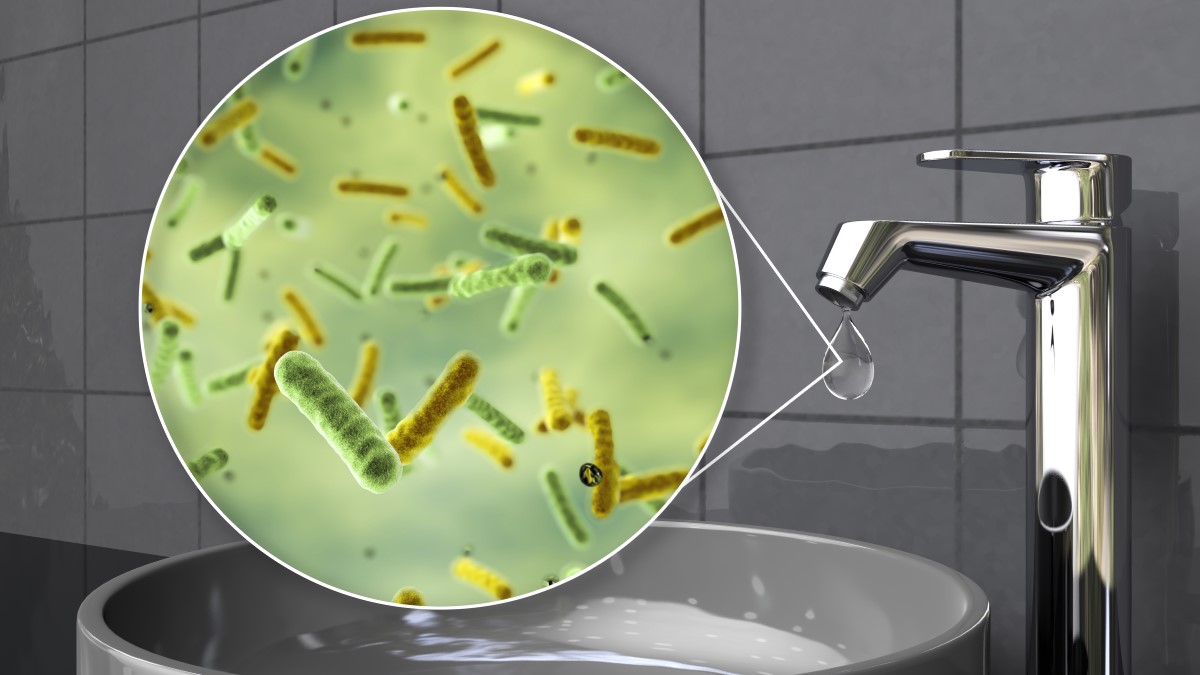 How To Boil Water To Kill Bacteria
The “warm water” myth in laundry
You’ve probably heard that washing clothes in warm water kills germs. Nope—not really. Modern laundry detergents and dryers do the heavy lifting. Warm water might help dissolve stains, but it’s not a germ assassin.
For truly nasty loads (think gym socks or sick kid sheets), you need hot water—like 140°F—or a sanitizing cycle. And even then, the dryer’s high heat is what finishes the job.
So, when should you use warm water?
Use it for comfort. For loosening grease. For a nice, soothing hand wash on a cold morning. Just don’t count on it to be a microscopic hitman.
If you’re worried about bacteria, focus on time and technique. Sing “Happy Birthday” twice while scrubbing. Rinse thoroughly. Dry with a clean towel. That’s the magic formula—not the water temperature.
 Water heater temperature for killing bacteria/ 140 degrees F
What about warm water in a humidifier? Or a neti pot?
Oh, good question! Using warm tap water in a neti pot or humidifier is actually risky. Tap water can contain tiny amoebas or bacteria that are harmless in your stomach but dangerous in your lungs or sinuses.
You should always use distilled or boiled-and-cooled water for those things. Warm tap water won’t save you there either. Sorry to be a bummer.
The bottom line (no, really, the conclusion)
Does warm water kill bacteria? Only if it’s practically boiling. For everyday handwashing, dishwashing, and cleaning, warm water is a helper, not a killer. So stop stressing about the sink temperature.
Next time someone tells you to wash with “warm water to kill germs,” smile politely. Then go scrub your hands like a rockstar for 20 seconds. That’s the real secret.
Now, refill your coffee (or tea), and remember: you’re smarter than a sink faucet. And honestly, that’s not hard to be. ☕
