Does Hot Water Kills Bacteria

So, you’re standing at the sink, staring at a sponge that looks like it’s seen better days. You’ve heard somewhere that hot water kills bacteria. But does it? Let’s pour ourse...
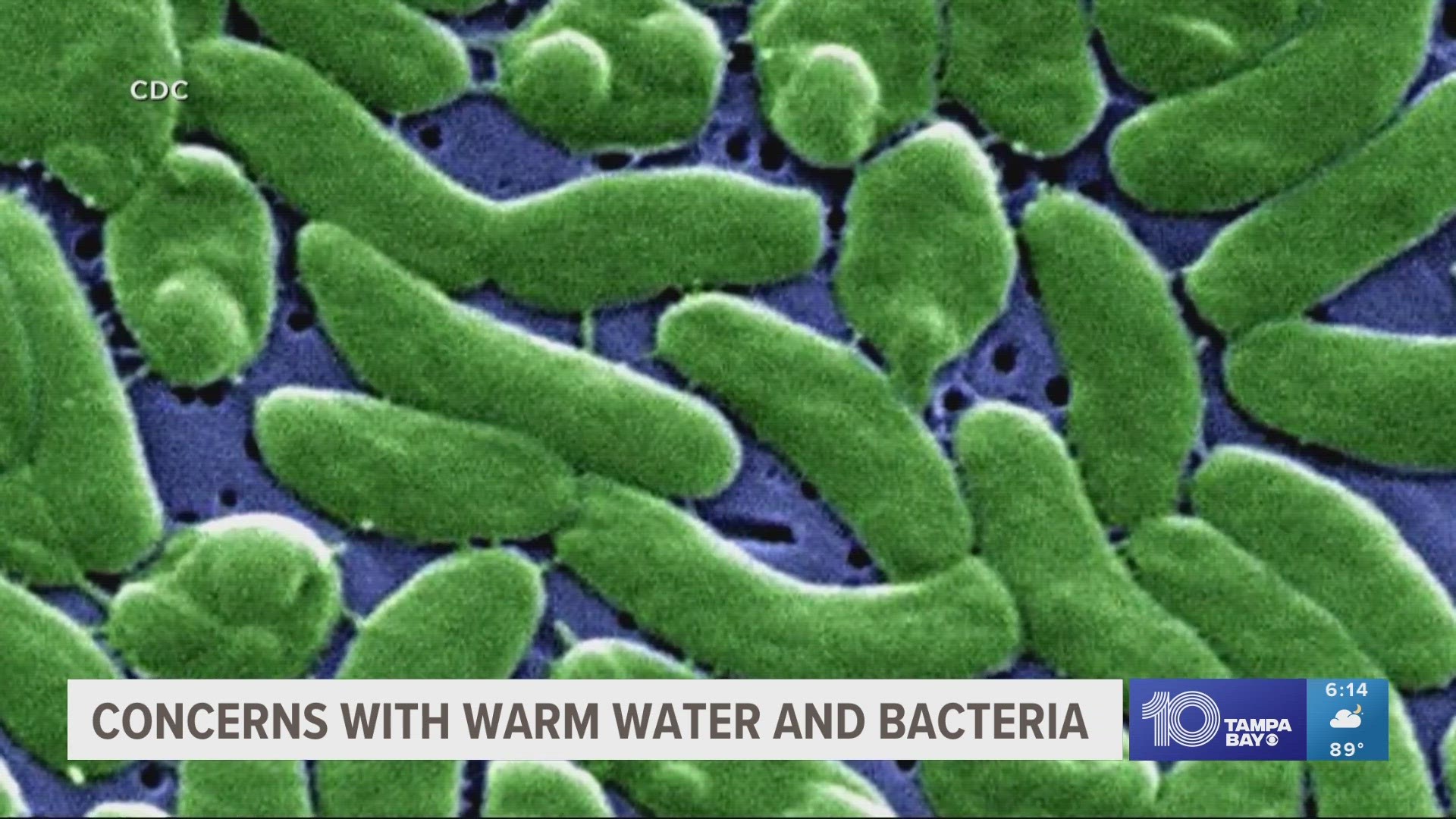
So, you’re standing at the sink, staring at a sponge that looks like it’s seen better days. You’ve heard somewhere that hot water kills bacteria. But does it? Let’s pour ourselves a hot cup of coffee and chat this out.
First, let’s get one thing straight: yes, hot water can kill bacteria. But it’s not the magic bullet your brain might be imagining. You know, like a superhero who shows up and vaporizes germs with a single squirt-hand gesture.
Here’s the kicker: for hot water to really work, it needs to be scorching hot. We’re talking about 140°F (60°C) or higher. That’s not your typical “warm enough to wash the dishes” temp. That’s “I’m about to make soup and accidentally burn my tongue” territory.
Must Read
And no, that lukewarm water you use to rinse your hands? It’s basically just giving the bacteria a nice little shower. They’re not sweating. They’re not packing up their microscopic bags. They’re just chilling—literally.
So, do you have to crank your faucet to volcanic levels every time you wash a dish? Please don’t. You’ll waste energy and risk a trip to the ER for third-degree finger burns. Not worth the flex.
But What About Drinking Water?
Ah, here’s where it gets fun. If you’re thinking about boiling water to make it safe to drink—yes, boiling is your friend. Rolling boil for at least one minute (or three minutes at higher altitudes) will kill most nasties like bacteria, viruses, and parasites. But that’s boiling, not just “hot.”
So, your average cup of hot tea? That liquid is at around 160°F to 180°F. That’s hot enough to knock out some weak bacteria, but not all of them. And if your tea bag has been sitting in a dusty drawer for six years? The water might not save you. Sorry.
Think of it this way: hot water is like a bouncer at a club. It’ll escort out the drunk troublemakers (the weak bacteria) but the stubborn guys with fake IDs? They might just slip past if your water isn’t angry enough.
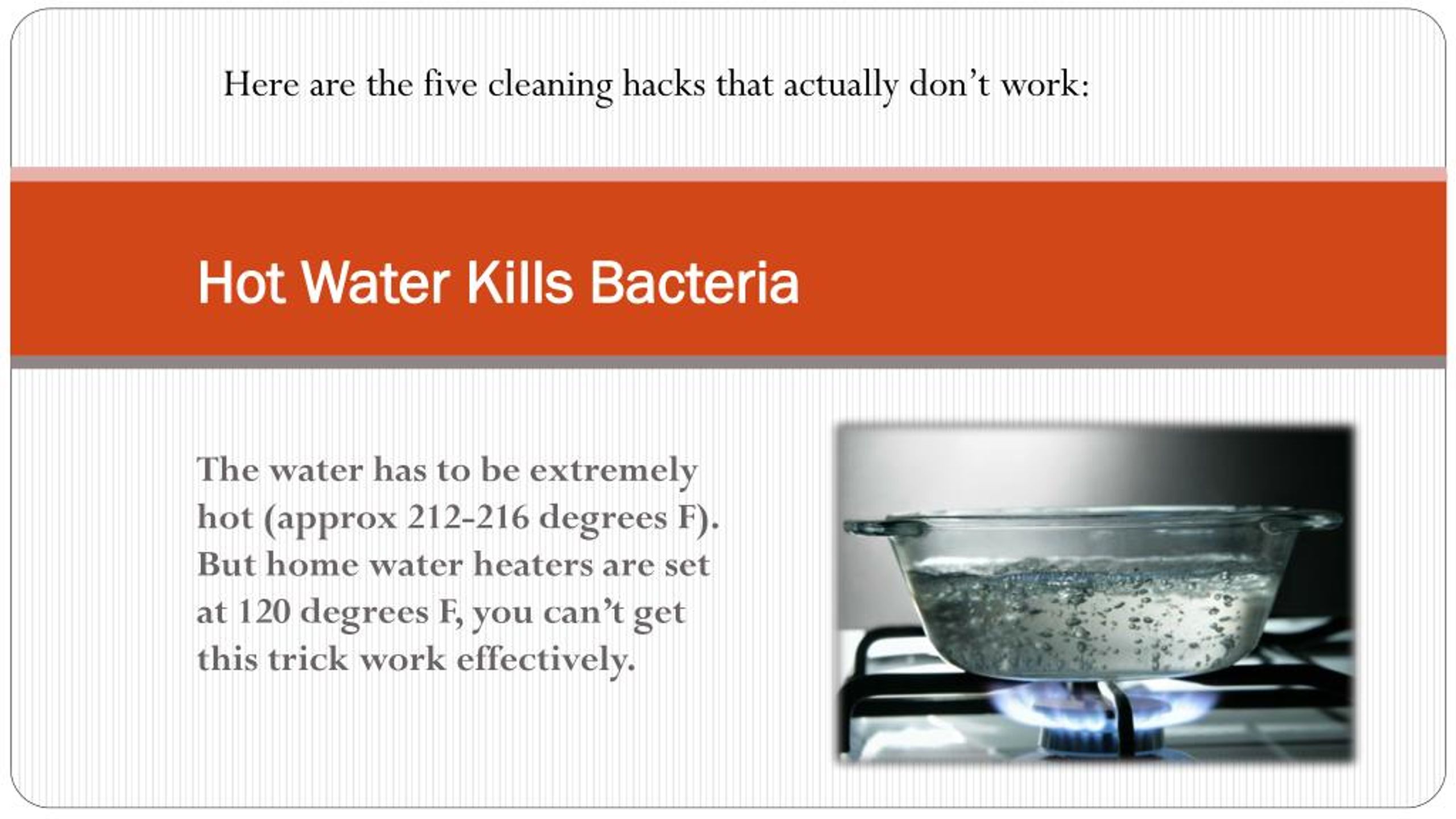 PPT - Misleading Cleaning Hacks That Don't Actually Work PowerPoint
Is There a Shortcut?
Okay, so you don’t want to boil every single thing you touch. I get it—life’s too short. For surfaces, use a disinfectant or soap. Soap is actually a better cleaner because it lifts bacteria off the surface, and then the hot water can rinse them away. It’s a tag-team move.
But here’s the truth bomb: washing your hands with hot water vs. cold water? The water temperature doesn’t really matter for killing bacteria. The friction and soap do the heavy lifting. Scrubbing for 20 seconds breaks up the germs, and the water just carries them down the drain.
So if you’ve been scalding your hands thinking you’re being extra hygienic? Stop that. You’re just drying out your skin and making your cuticles cry.
What About the Dishwasher?
Ah, the dishwasher—the unsung hero of the kitchen. Those machines get hot, usually around 130°F to 140°F during the main cycle. And the dry cycle can hit 170°F. That’s enough to wave goodbye to most bacteria on your plates and forks.
But here’s a sneaky detail: if your dishwasher doesn’t have a sanitizing cycle, and you open the door mid-cycle to peek? You’re letting out all that steam, and your dishes might come out clean-looking but not “pathogen-free.” So keep that door shut, you curious noodle.
 Water heater temperature for killing bacteria/ 140 degrees F
And for the love of all things crunchy, don’t hand-wash that wooden cutting board and expect hot water to kill the bacteria in its little grooves. Wood is porous. Bacteria hide in there like it’s a cozy treehouse. You need bleach or a disinfectant for that situation.
So, What’s the Verdict?
Hot water kills bacteria—but only if it’s hot enough, for long enough, and on the right surface. For most everyday cleaning, soap + warm water + scrubbing is the star player. Save the “killing bacteria” for when you’re boiling pasta or sanitizing your baby’s pacifier.
Let’s be real: if you’re worried about germs, focus on drying. Bacteria love moisture. A wet sponge is basically a hotel for them. Wring it out and pop it in the microwave for a minute. Boom—hot water’s cousin, microwave radiation, does the job. (Don’t do that with metal sponges, you lunatic.)
So the next time someone tells you, “Hot water kills bacteria,” nod wisely and say, “Only if it’s angry enough to third-degree burn a microbe.” Then watch their face as you casually sip your coffee.
Now go wash your hands. With soap. Not just hot water. Your cuticles will thank you.
