What Does Water Filter Remove

Okay, let’s be honest: tap water is a total mystery box. You turn on the faucet, and out comes a clear liquid that we’re supposed to drink, cook with, and bathe in. But unless...

Okay, let’s be honest: tap water is a total mystery box. You turn on the faucet, and out comes a clear liquid that we’re supposed to drink, cook with, and bathe in. But unless you’re a water sommelier, you have no clue what’s actually in that glass.
That’s where a water filter comes in, like a bouncer at a club. Your filter isn’t there to be fancy—it’s there to kick out the unwanted guests. And trust me, there are a lot of party crashers in your water supply.
The Usual Suspects: What’s Hiding in Your Glass?
First up: chlorine. Yes, the same stuff that bleaches your white socks is added to your water to kill bacteria. It does a great job, but it also makes your morning coffee taste like a swimming pool. Your filter grabs that chlorine and tosses it out, leaving you with a much sweeter sip.
Must Read
Then there’s lead. This one sounds scary because it is. Even tiny amounts from old pipes can sneak into your water. A good filter acts like a shield, trapping heavy metals before they ever reach your mug. Think of it as a tiny knight protecting your kidneys.
And let’s not forget sediment. You know that gritty feeling at the bottom of a glass when you’re camping? That’s sand, rust, and dirt. Your filter catches these big chunks so you don’t have to chew your water. Nobody wants a crunchy drink.
Pesticides and Pharmaceuticals: The Hidden Cocktail
This part is wild. Rain washes pesticides from farms and lawns into our water sources. And traces of medicines—like leftover ibuprofen or antidepressants—can slip through treatment plants. Your filter doesn’t just improve taste; it acts like a tiny chemical janitor, mopping up those invisible leftovers.
Imagine your neighbor’s morning aspirin ending up in your afternoon iced tea. That’s gross. A carbon filter is specifically great at grabbing these organic compounds. It’s like a sponge that says, “Nope, not today, chemicals.”
But Wait—What About the Good Stuff?
Here’s a secret: most filters are smart enough to leave healthy minerals like calcium and magnesium alone. You don’t want your water to be completely empty. Drinking “pure” distilled water is like eating plain cardboard—it gets the job done, but it’s boring. Filters aim for a balance, keeping the goody-goody minerals while booting the nasties.
 What Do Water Filters Remove? Simple Breakdown - Household Water Guide
Unless you buy a reverse osmosis system. Those are the overachievers. They strip out everything, including the good stuff. It’s clean enough for lab experiments, but you might need to add minerals back in. For everyday life, a standard pitcher or faucet filter is plenty.
The Smell and Taste Factor
Let’s get relatable. You know that weird “eggy” smell from some taps? That’s usually sulfur or harmless bacteria in the pipes. A filter doesn’t just clean; it makes your water smell like, well, nothing. And smelling nothing is actually a huge win.
I have a friend who swore she hated water. She only drank soda. Then she got a simple filter pitcher. Suddenly, she was chugging water like it was a sport. The difference? No metallic aftertaste. It wasn’t magic—it was her filter removing the rusty flavor that was secretly grossing her out.
Your water filter is basically a flavor editor. It deletes the yucky notes and leaves the crisp, refreshing ones behind. That’s why filtered water tastes so much better in a glass than straight from the garden hose.
Microplastics: The New Uninvited Guest
Here’s a modern problem: microplastics. Those tiny bits of plastic bags, bottles, and fibers are floating everywhere—even in rain. Some filters now catch these little devils too. It’s not about being paranoid; it’s about not wanting to eat your own shampoo bottle by accident.
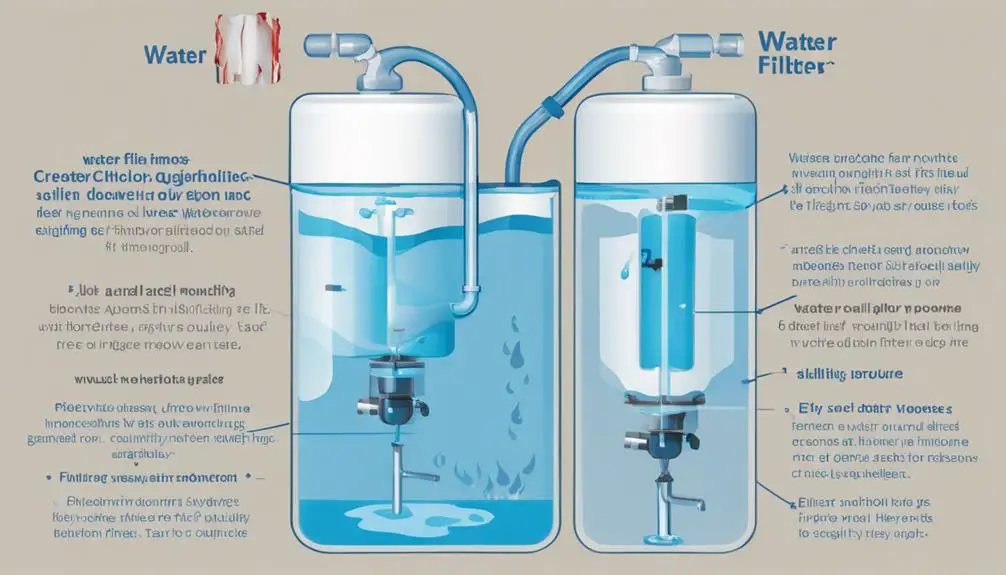 How Does A Water Filter Remove Chlorine at Bonnie Vincent blog
A good carbon block or ultrafiltration membrane can trap particles down to 1 micron. That’s smaller than a dust mite’s foot. You don’t need to become a science nerd—just know that your filter is like a net for things you can’t see but shouldn’t swallow.
So, Why Should You Actually Care?
Because your body is 60% water. That’s a lot of real estate. If you’re filling that tank with stuff you don’t want, you’re essentially marinating yourself in chlorine, lead, and mystery farm runoff. A filter is the cheapest insurance policy you can buy for your insides.
It’s also about joy. I’m serious. When your water tastes clean and fresh, you drink more of it. You skip the sugary juices and sodas. You feel less bloated. Your skin even looks a little happier. It’s a small change that ripples through your whole day.
And finally, it saves you money. Buying plastic water bottles is like setting dollar bills on fire. A filter costs pennies per gallon compared to bottled water. Plus, you’re saving the planet one less plastic bottle at a time. Win-win.
The Bottom Line (In Your Glass)
Your water filter removes chlorine, lead, sediment, pesticides, pharmaceuticals, microplastics, and bad smells. It keeps the healthy minerals. It makes hydration fun again. It’s the friend who shows up to the party and says, “I’ll handle the cleanup.”
So if you’ve been side-eyeing your tap water, do yourself a favor. Grab a filter. Your taste buds, your wallet, and your future self will thank you. And the next time someone asks, “What does a water filter remove?” you can smile and say, “Pretty much the stuff you’d never want to meet.”
