Does City Water Have Flouride

So, you’re standing in your kitchen, filling up a glass of tap water, and a random thought pops into your head: Does city water have fluoride? It’s one of those quiet mysterie...
So, you’re standing in your kitchen, filling up a glass of tap water, and a random thought pops into your head: Does city water have fluoride? It’s one of those quiet mysteries we never really stop to investigate, right? Like, is there secretly a tiny dentist living in your pipes, handing out free cavity prevention while you sleep?
Well, the short answer is: yes, most likely. But it’s way more interesting than just a simple yes or no. Let’s dive into the bubbly, science-y world of your tap water and figure out why this is actually pretty cool.
The Grand Experiment: A Public Health Superhero
First, a fun fact: adding fluoride to city water started as a giant, accidental experiment in the 1940s. Scientists noticed that kids in certain towns had way fewer cavities, and the secret ingredient was naturally occurring fluoride in their water.
Must Read
So, cities thought, Hey, why not add a tiny bit to everyone’s tap? It’s like giving your teeth a daily, invisible shield—a superhero cape for your enamel. Today, about 3 out of 4 Americans get fluoridated water straight from the faucet.
It’s honestly one of the cheapest, most egalitarian health moves ever. You don’t need fancy toothpaste or a prescription—just a glass of tap water. How cool is that for a public health hack?
What’s Actually in Your Water? (Spoiler: Not Much)
Here’s where it gets curious: the amount of fluoride in city water is tiny. We’re talking about 0.7 parts per million—that’s like one drop in a bathtub full of water. For comparison, the fluoride in toothpaste is about 1,000 to 1,500 parts per million. So, your tap water is basically a whisper, not a shout.
Your city’s water treatment plant adds it carefully, like a chef seasoning a soup. Too little? No benefit. Too much? That’s a problem (hello, white spots on teeth, a condition called fluorosis). So they aim for that Goldilocks zone—just right.
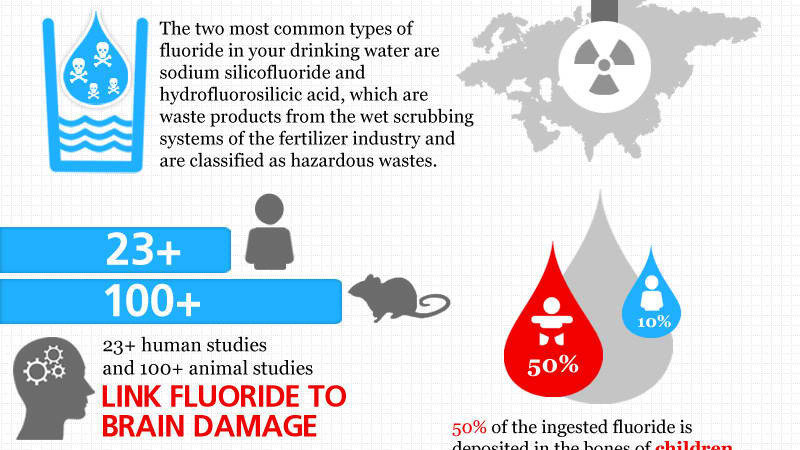 Fluoride Ions In Water
Curious if your specific city does it? A quick Google search of your town’s water report will tell you. It’s public info, and reading it feels like being a secret agent decoding the chemical secrets of your sink.
Why It’s Actually Awesome (And a Little Controversial)
Let’s be real: fluoride in water is a genius idea if you think about it. Kids don’t always brush well (we’ve all seen a toddler fight a toothbrush), but they drink water when they’re thirsty. It’s like a passive, background defense against cavities—no effort required.
For adults, it helps re-harden your teeth after you eat sugar, remineralizing that enamel you’ve been abusing with coffee and soda. It’s a tiny, silent repair crew working 24/7. Doesn’t that make you appreciate your tap water a little more?
Of course, some people worry about it. The word “chemical” freaks us out, but remember: water itself is a chemical (H₂O, hello?). Fluoride is a natural mineral—you find it in tea, seafood, and even your own bones. The debate is about dosage, not poison.
A Fun Comparison: Your Teeth vs. A Rock
Think of your tooth enamel as a super-hard rock, like a piece of crystal. But that rock gets attacked by acid every time you eat. Fluoride helps turn your enamel into an even harder, more acid-proof rock—like upgrading from granite to diamond. City water is just giving you a daily dose of that diamond-making mineral.
 Fluoride and Its Role in Public Health Debate - FOCUS
Without it, your teeth are like a sandcastle at high tide—vulnerable to erosion. With it, they’re a fortress. Would you rather have your teeth fighting cavities alone, or with a squad of invisible mineral reinforcements?
Plus, compared to buying gallons of bottled water (which often has no fluoride), tap water is the budget-friendly, eco-friendly, tooth-friendly choice. You’re saving money and the planet, all while remineralizing your molars. Talk about a win-win-win.
So, Should You Worry? Nah.
For 99% of us, the answer is a relaxed, “Drink up, it’s fine.” Your city has been doing this for decades, and the science is solid: less cavities, stronger teeth, and no major health risks at those tiny levels. The American Dental Association calls it one of the top ten public health achievements of the 20th century. That’s a big deal.
If you’re still skeptical, think about this: most people brush with fluoridated toothpaste and then rinse with fluoridated water. You’re already in the fluoride club whether you know it or not. The water is just the bonus round.
So next time you fill that glass, feel a little smarter. You now know the secret history of your tap water—a quiet, dental superhero working for pennies a day. Pretty cool, right? Now, go hydrate like a pro.
