How Does Bottled Water Go Bad

Let’s be real. You’ve found a dusty bottle of water in your car’s cupholder, haven’t you? Maybe it’s been there since last summer, hiding under a receipt and a half-eaten gran...
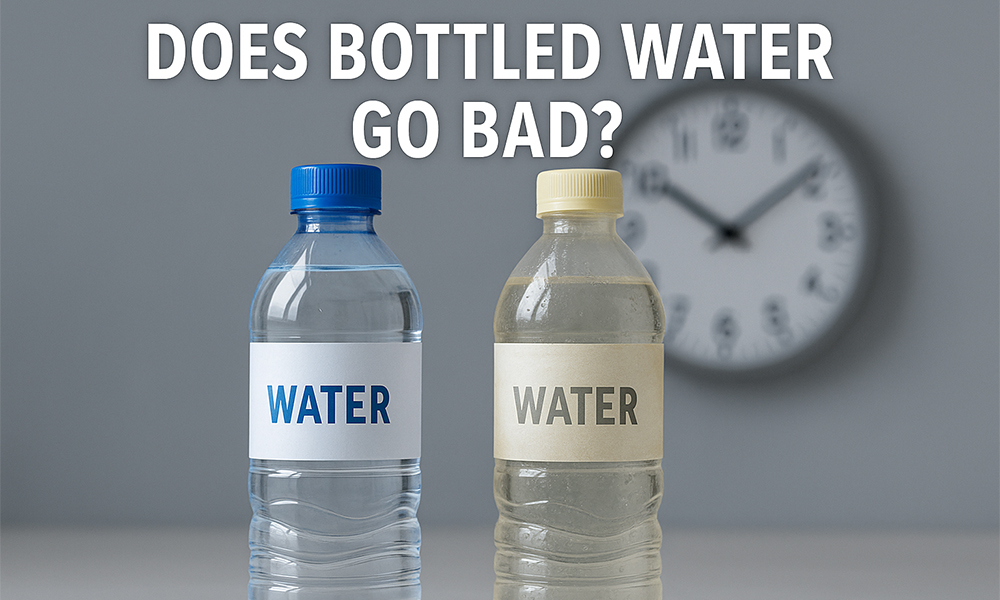
Let’s be real. You’ve found a dusty bottle of water in your car’s cupholder, haven’t you? Maybe it’s been there since last summer, hiding under a receipt and a half-eaten granola bar.
You unscrew the cap and take a sniff. Does it smell… off? Can water actually go bad, or are you just being dramatic?
Spoiler alert: Yes, bottled water can go bad. But not in the way you think. It’s not like milk, where it turns into a chunky science experiment overnight.
Must Read
It’s Not the Water—It’s the Package
Here’s the kicker: pure water itself is basically immortal. It doesn’t rot, mold, or ferment. The real culprit? The bottle you’re drinking from.
Plastic bottles are made of polyethylene terephthalate, or PET for short. Over time, that plastic starts to leach chemicals into your water, especially if the bottle gets warm or sits in the sun.
That weird “plastic taste” isn’t your imagination. It’s the bottle slowly sharing its personality with your drink.
Heat Is the Enemy
Leave a case of water in your hot car for a week? You’ve basically created a plastic tea. The heat speeds up chemical migration, like antimony and phthalates. Yum, right?
Even if you don’t taste it, the water’s chemistry has changed. It’s still safe in tiny amounts, but it’s definitely not fresh.
So, no, you don’t want to chug that bottle that spent July in your trunk. Trust your nose—if it smells like a new shower curtain, toss it.
What About Bacteria?
Ah, the creepy part. That bottle cap you twisted off with your grimy hands? You just invited bacteria to the party. Once you open a bottle, your mouth’s microbes—and any airborne dust—start having a field day.
Tap water has chlorine to keep bugs at bay for a while. Bottled water? Not so much. It’s filtered, but it’s not sterile.
 Can Water Go Bad In A Thermos at Doreen Woods blog
If you backwash (yes, you know what you did), you’re feeding a tiny ecosystem. Let that bottle sit for a few days at room temp, and you’ve got a petri dish you didn’t ask for.
Expiration Dates Are a Thing
Ever notice a “best by” date on a water bottle? That’s not because the H2O expires. It’s because plastic degrades over time, and the company wants you to drink it before the taste gets weird.
Most brands give you about two years from bottling. After that, the plastic may start to flake (microplastics, anyone?) or the carbonation (if it’s sparkling) goes flat. Flat, warm, plasticky—sounds like a party, doesn’t it?
Plus, the FDA requires expiration dates on bottled water, even if it’s a bit overkill. They’re covering their butts. Fair enough.
Can You Save That Old Bottle?
If the bottle is unopened and stored in a cool, dark pantry, it’s probably fine for months past the date. But if it’s been in the sun, feels sticky, or has a weird fizz when you open it? Don’t risk it.
Think of it like a friendship: just because it’s still there doesn’t mean it’s still good. Sometimes you have to let go.
And please, please don’t reuse a single-use plastic bottle for weeks. That thing is a bacterial hotspot. It’s like giving a sponge a job as a water glass—just no.
The Glass vs. Plastic Debate
Glass bottles are the heroes here. They don’t leach anything, they don’t retain tastes, and they look fancy on your desk. But they’re heavy and break when you drop them (unlike your dignity after that story).
 Can Bottled Water Go Bad? | Open Video
Aluminum cans? Better lining, but they can dent and add a metallic note. Still way better than old plastic if you’re storing for a while.
So if you’re a stockpiler, stick to glass or cans. Your future self will thank you when you’re not drinking yesterday’s Tupperware.
Signs Your Water Has Turned
Let’s make this cheat-sheet simple. Smell: If it smells like pool chlorine, old socks, or wet cardboard, it’s past its prime. Taste: If it tastes like a Band-Aid or chemical soup, spit it out.
Looks: See floating stuff? Greenish tint? That’s algae or mold, friend. Throw it away like a bad relationship.
One more thing: carbonated water loses bubbles faster than a politician keeps promises. After a few months, it’s just sad, flat water in a fancy bottle.
Bottom Line (No Sermon)
Bottled water doesn’t go bad like milk. It goes stale, then plasticky, then bacteria-having-a-rave. It’s a slow, sad decline.
So check that stash under your bed. If it’s from before that time you tried sourdough bread (and failed), just recycle it. You’re not saving the world by drinking 2019’s regrets.
And hey, the tap is right there. It’s free, it’s tested, and it won’t judge you for drinking it straight from the faucet at 2 AM. We’ve all been there.
