How Does A Water Softner Work

Let’s be honest—hard water is a bit of a home-wrecking diva. It leaves those crusty white rings in your coffee mug and makes your shampoo feel like it’s lying about being “sud...
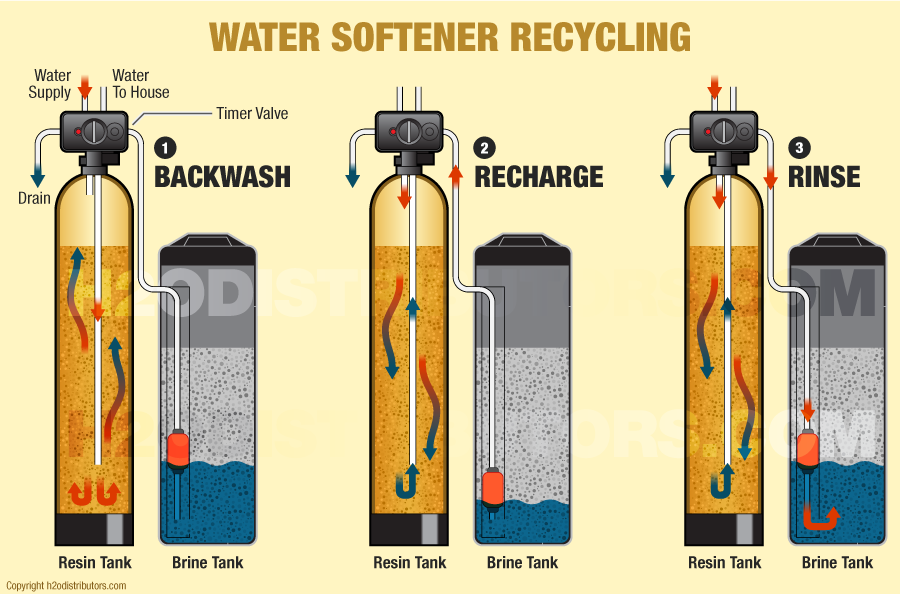
Let’s be honest—hard water is a bit of a home-wrecking diva. It leaves those crusty white rings in your coffee mug and makes your shampoo feel like it’s lying about being “suds-y.” But before you swear off bathing forever, let’s talk about the tiny hero hiding in your basement or garage: the water softener. It’s basically a spa treatment for your home’s most used resource.
So, how does this magic box actually work? It’s simpler than you’d think, and way more relatable than a chemistry textbook. Imagine a giant, super-thirsty sponge that loves grabbing onto calcium and magnesium—the minerals that make water “hard.” Your water softener is that sponge, but it’s filled with tiny resin beads that act like magnets for those pesky minerals.
The “Hug and Swap” Method
Picture yourself at a party where you really don’t want to talk to a boring guest. A friend steps in, gives them a hug, and sends them away. That’s basically what happens inside a water softener. The resin beads hug the hard water minerals and swap them for sodium ions (a fancy word for salt).
Must Read
That “swap” is called ion exchange. The water flows through the resin tank, the minerals get stuck to the beads, and the sodium floats off into your water. By the time it reaches your shower head, you’re rinsing with soft, silky water that lathers like a dream.
Where Does the “Dirty” Go?
Over time, those resin beads get full of hard water minerals like a trash can after a big party. They can’t swap anymore. So the water softener does something brilliant: it cleans itself in a process called regeneration.
It soaks the beads in a highly concentrated saltwater brine (think of it as a salt bath). The salt kicks all the calcium and magnesium off the beads, flushes them down the drain, and leaves the beads ready for another round. It’s like a robot that takes a power nap and wakes up fresh.
Your water softener usually regenerates in the middle of the night, when you’re snoring. It’s the ultimate house guest—it does its dirty work while you sleep.
Why You Should Actually Care (In Real Life)
Here’s where it gets funny—and real. Hard water doesn’t just annoy you; it costs you money in sneaky ways. That white scale on your faucet? That’s also building up inside your pipes, your water heater, and your coffee maker.
 Water softener system how does it work – Artofit
Think of it as cholesterol for your home. A water heater with hard water scale has to work harder, burns more energy, and dies younger. Your dishwasher? It needs more detergent because the soap won’t foam. Your clothes? They feel stiff and look dingy because minerals are literally stuck in the fabric.
The Soap Factor
Ever notice how your hand soap feels like it’s leaving a film even after you rinse? That’s hard water reacting with soap to form “soap scum” (the gross, sticky stuff). Soft water, on the other hand, is a lather machine. You use half the soap and get twice the bubbles.
I personally saved enough on laundry detergent in one year to buy a nice dinner out. True story. And my skin? I used to think lotion was a scam. Turns out, my hard water was just draining all the moisture out of my skin after a shower.
The Secret Weapon: A Brine Tank
So where does the salt live? In a separate tank called the brine tank (the one you add bags of salt to every month). Please don’t confuse it with a water cooler; I’ve seen people try to drink from it, and yikes.
That salt isn’t going into your drinking water, by the way. Most softeners are installed only on the hot and cold lines that feed your sinks, showers, and appliances. You can (and should) have a separate tap for drinking water or use a filter. Your salty tears are saved for movie night.
The “Ah-Ha” Moment
You’ll know your water softener is working the first time you wash your hair. It feels squeaky clean—almost too slippery. That’s because soft water rinses soap off completely, so no residue stays behind. Some people freak out at first and think they didn’t rinse enough. Relax, you did. You just have soft water now.
 Water Softener How They Work | How Does a Water Softener Work? Parts
Other wins: spot-free dishes, shower doors that aren’t covered in a fog of scale, and bathroom mirrors that stay clean for a whole week. It’s like your house got a personality upgrade.
One Little Downer (But It’s Okay)
Water softeners aren’t perfect. They do make water slightly salty (not enough to taste, but enough that some people with high blood pressure watch their sodium). The solution? Use a reverse osmosis system for drinking water or use potassium chloride instead of salt. It’s like buying premium gas—costs a bit more, but runs smooth.
Also, you have to add salt to the tank every few weeks. It’s not a set-it-and-forget-it appliance; it’s more like a friendly pet that needs a bag of kibble now and then.
So, Should You Get One?
If your faucets look like they’ve been dusted with chalk and your skin feels tight after a shower, yes. Yes, a thousand times yes. A water softener works like a gentle bouncer at a club: it keeps the hard minerals out and lets the good water flow in.
It’s low-tech, low-drama, and it does its job without complaining. Your coffee will taste better. Your soap will last longer. Your plumbing will thank you. And hey, you’ll finally understand why your grandma called her water “liquid silk.”
Now go check your showerhead. If it’s covered in white crust, your friendly neighborhood water softener is calling your name.
