Water Filter How Does It Work

Ever wondered what magic happens inside that pitcher or under your sink? You turn on the tap, and suddenly that weird smell or funny taste just disappears. It feels a bit like...

Ever wondered what magic happens inside that pitcher or under your sink? You turn on the tap, and suddenly that weird smell or funny taste just disappears. It feels a bit like sorcery, but it’s actually a clever mix of science and common sense.
Think of a water filter as a bouncer at a fancy club. The water wants to party, but it has to leave its muddy boots and chlorine coat at the door. The filter decides who gets in and who gets kicked out to the drain.
The Big Idea: Straining the Unwanted
At its heart, filtration is about physical size. Imagine trying to push a watermelon through a keyhole—impossible, right? That’s how a filter treats big particles like sand, rust, or tiny bits of dirt.
Must Read
Activated carbon is the rockstar here. It’s basically charcoal treated to have a massive surface area, full of tiny nooks and crannies. These nooks grab chlorine, pesticides, and even bad odors like a magnet grabs iron filings.
Why is that cool? Because without carbon, your tap water might taste like a swimming pool. The filter snatches that chemical taste away, leaving you with something that actually tastes crisp and clean.
Not Just a Sieve: Chemical Chat Rooms
Filters aren’t just about holes. Some use a process called ion exchange, which sounds complicated but is just a friendly swap. Imagine trading your boring pebble for a shiny marble—that’s what happens with ions.
Water often has calcium and magnesium, which make it “hard.” The filter swaps those for sodium or potassium ions. That’s why some filters make your coffee taste better—no weird mineral tang messing with the flavor.
Another cool trick? Reverse osmosis (RO). This is like forcing water through a super tight net that even tiny molecules can’t squeeze through. It can remove lead, arsenic, or even pharmaceutical leftovers.
 How Does Water Filtration Work?
Why Your Sink Filter is a Superhero
Let’s be real: you probably don’t think about your filter until you taste something funky. But consider this—without it, you’re drinking a soup of leftover treatments and pipe deposits. The filter is the unsung hero of your kitchen.
Ever left a glass of unfiltered tap water out overnight? It can get a weird, stale taste from chlorine evaporating. A filter prevents that drama from ever starting, keeping your water fresh from the first pour.
Plus, it’s cheap. A reusable pitcher filter costs pennies per gallon. That’s way less than buying plastic bottles—and way better for the planet. Who knew being lazy could also be eco-friendly?
What About Faucet and Countertop Filters?
Faucet-mounted filters work the same way, just faster. They use a carbon block that combines physical straining with chemical attraction. Water rushes through, and the bad stuff sticks to the carbon like gum on a sidewalk.
Countertop models are like fancy water towers. They often use ceramic filters with tiny pores that block bacteria and cysts. It’s old-school tech, but it’s so effective that hikers use similar filters on trails.
And those big under-sink systems? They’re the heavy lifters. They combine carbon, sediment screens, and sometimes UV light to blast any leftover germs. It’s like a spa treatment for your drinking water.
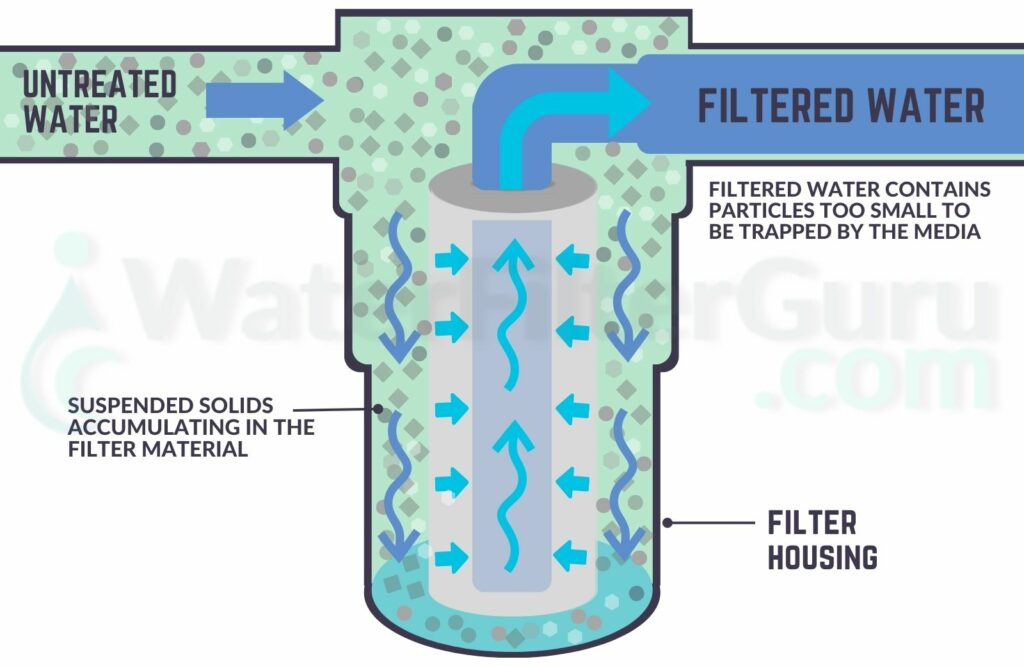 How Does A Water Filtration System Work - Infoupdate.org
The Little Things That Surprise You
Did you know that filters don’t remove everything? Most keep in healthy minerals like fluoride (unless you use RO). So you’re not just drinking clean water—you’re drinking smart water that doesn’t strip your teeth.
Another fun fact: filters can get tired. After a while, the carbon gets full of trapped gunk, just like a sponge soaked with soap. That’s why you change them—otherwise, the bad stuff starts escaping back into your drink.
You can even test your filter’s health! If your water starts tasting flat or smells like a basement, it’s time for a swap. Your taste buds are your best filter alarm.
So, How Does It Actually Work?
Let’s wrap it up simply. Your water filter does three things: strain big bits, attract chemical nasties to carbon, and trade bad minerals for good ones. That’s it—no quantum physics required.
Next time you pour a glass, give your filter a little nod. It’s working hard, tackling stuff you can’t see, so you can enjoy a sip without a second thought. Pretty neat for a gadget that just sits there, huh?
And if you’re still skeptical? Try this: pour a glass of tap and a glass of filtered, side by side. Let them sit for an hour. One will smell like a pool; the other will smell like nothing. Your nose will know the truth.
