How Much Of Water Is Polluted

You know that feeling when you grab a glass of water, take a gulp, and think, “Huh, that tastes a bit… swimming pool-y”? You’re not alone—and that’s not the real problem. The...
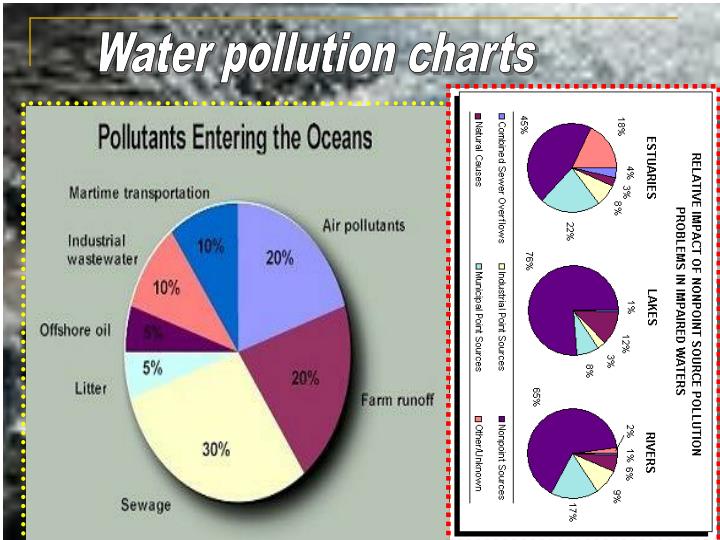
You know that feeling when you grab a glass of water, take a gulp, and think, “Huh, that tastes a bit… swimming pool-y”? You’re not alone—and that’s not the real problem. The real kicker is that a shocking 80% of the world’s wastewater flows back into the environment without being treated. That’s like spilling your entire coffee cup, then dipping your toast in the puddle on the counter and calling it breakfast.
The Big, Sad Numbers
Let’s start with the global snapshot, and I promise not to drown you in stats. According to the UN, over 2 billion people drink water that’s contaminated with poop. Yes, you read that right—human waste. It’s like finding out your favorite café has been using the mop bucket for their espresso shots.
In the U.S., the story isn’t much prettier. Nearly half of our rivers and streams are too polluted for swimming, fishing, or drinking. That’s like your local pool saying, “Sorry, the water is now a chunky salsa.”
Must Read
Industrial Shenanigans
Factories are basically the party guests who never clean up. They dump chemicals, heavy metals, and nasty sludge into waterways like they’re throwing confetti. Remember that time you left a greasy pizza box in the sink for a week? Imagine that, but with arsenic and lead—and it’s happening to the Mississippi River every single day.
It gets better (or worse). The plastic you threw away last Tuesday? It’s now part of a giant floating garbage patch in the Pacific, twice the size of Texas. That’s like your toaster mutating into a sentient mountain of bag clips and bread crumbs.
Farm Runoff: The Sneaky Culprit
Here’s a fun anecdote: my grandma used to pour leftover fertilizer on her prize-winning petunias. Turns out, that stuff doesn’t stay in the garden—it runs off into rivers and creates giant algae blooms. Those blooms then suck all the oxygen out of the water, killing fish. It’s like a frat party that consumes all the air in the room until everyone passes out—except the fish don’t wake up.
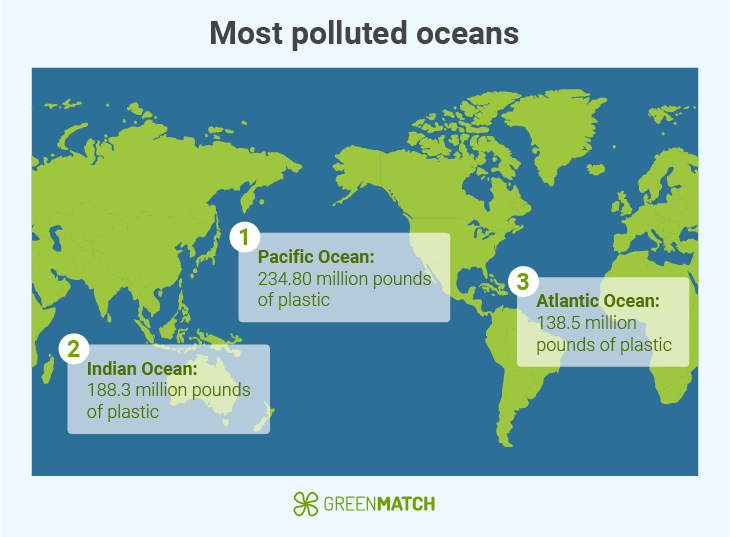 Littering Statistics 2025
Manure from factory farms is a major offender. You know that smell from a pig farm that makes you roll up your car windows? Now imagine 10,000 pigs’ worth of that stuff leaking into a creek. Suddenly, that “slightly metallic” tap water makes more sense.
Your Own Household Is a Contributor
Don’t pat yourself on the back yet—your home is a tiny polluter. Every time you flush a pill down the toilet or pour leftover bleach down the drain, it ends up in a treatment plant. But treatment plants aren’t magic—they can’t filter out all the microplastics, hormones, and antibiotics. That’s why they’ve found traces of birth control, antidepressants, and even caffeine in tap water. You’re basically drinking a weak, unintentional smoothie of modern life.
I once visited a friend who bragged about her well water being “pure.” I asked her if she’d ever tested it for farm runoff. She looked at her cornfield neighbor and said, “Well, maybe not that pure.” We laughed, but our kidneys didn’t.
The Good News (Yes, There Is Some)
Here’s where you can smile: we’re getting better at this mess. In the last 50 years, the Clean Water Act has stopped rivers from literally catching on fire (yes, the Cuyahoga River in Ohio used to burn). Today, you can actually fish in the Potomac River near D.C., which used to be a chemical soup. Progress looks like a dirty dish that’s now only kinda grimy.
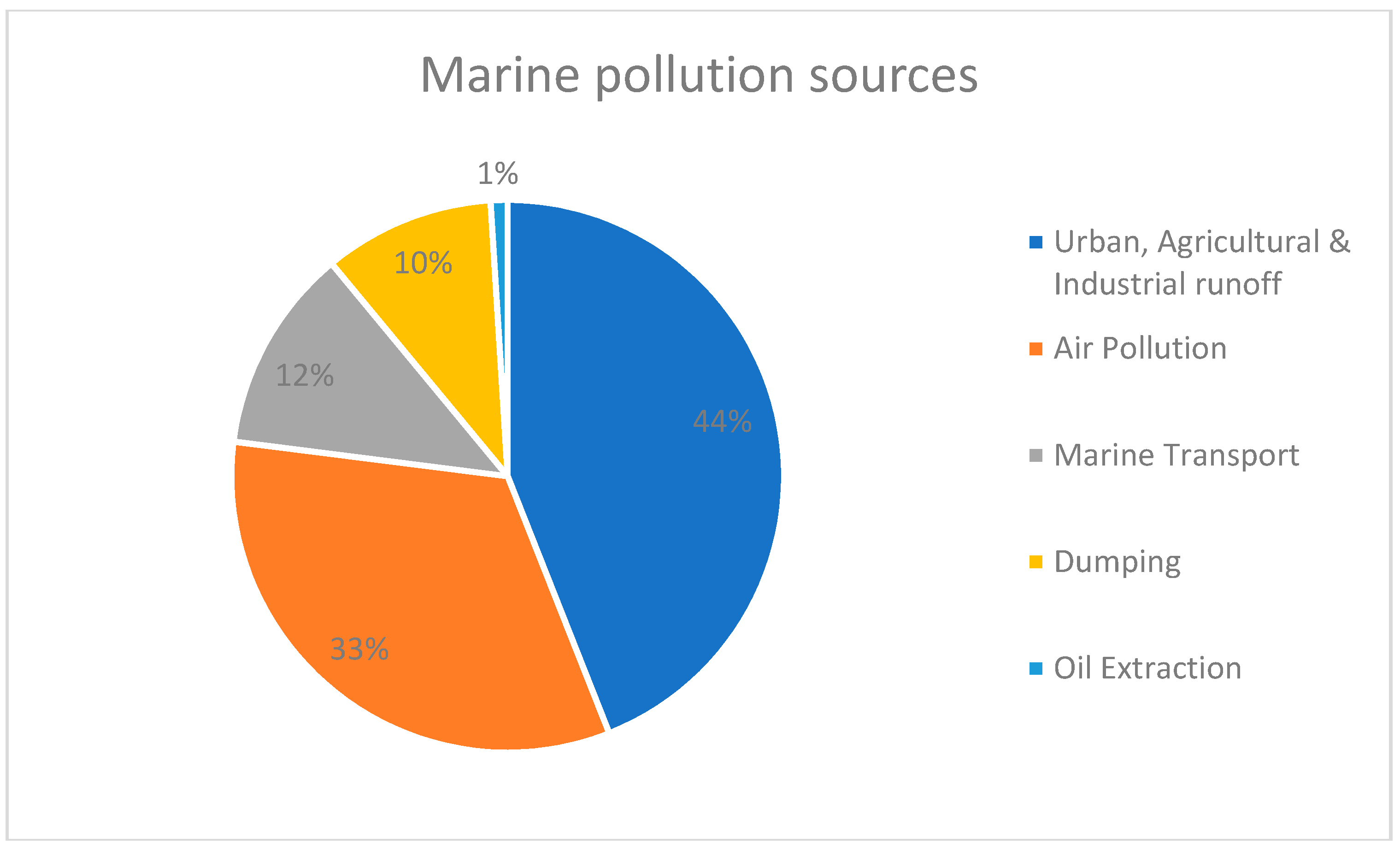 Water Pollution Pie Chart
Startups are also building filters that can pull microplastics out of laundry water and devices that purify wastewater using only sunlight. It’s like your vacuum cleaner suddenly learning to fold laundry—unexpected, but brilliant.
What You Can Do (Without Becoming a Monk)
First, stop flushing meds down the toilet. It’s not a magic disposal hole—it’s a direct pipeline to your neighbor’s drinking glass. Second, buy a reusable water bottle and save the plastic for, I don’t know, building a fort. Every plastic bottle you don’t buy is one less that could drift into a river and look like a snack to a confused turtle.
And if you’re feeling ambitious, use less fertilizer on your lawn. Those dandelions aren’t going to judge you, and the local stream will thank you. Seriously, your grass can be a bit beige—nobody’s taking photos for a magazine.
So next time you turn on the tap, give it a nod. It’s been through a lot—chemicals, farm poop, and your own old Advil. And it’s still trying its best. We can do better, one less-flushed pill at a time.
