How Much Does A New Well Cost

You’re standing in your backyard, maybe sipping a lemonade, and you think: What if I had my own well? Suddenly, the idea of a limitless water supply feels less like a chore an...
You’re standing in your backyard, maybe sipping a lemonade, and you think: What if I had my own well? Suddenly, the idea of a limitless water supply feels less like a chore and more like a tiny, thrilling rebellion against the water bill. And then the reality check hits: How much does a new well actually cost? Don’t worry—we’re going to dig into this (pun absolutely intended) without the jargon or the gloom.
The Big, Shiny Price Tag (And Why It’s Not Scary)
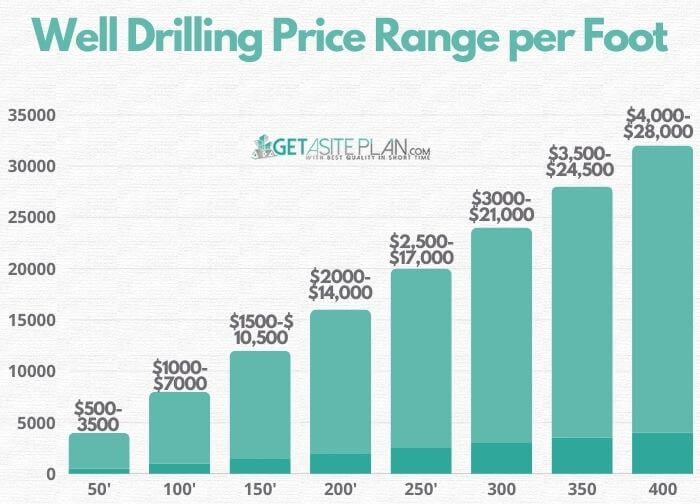
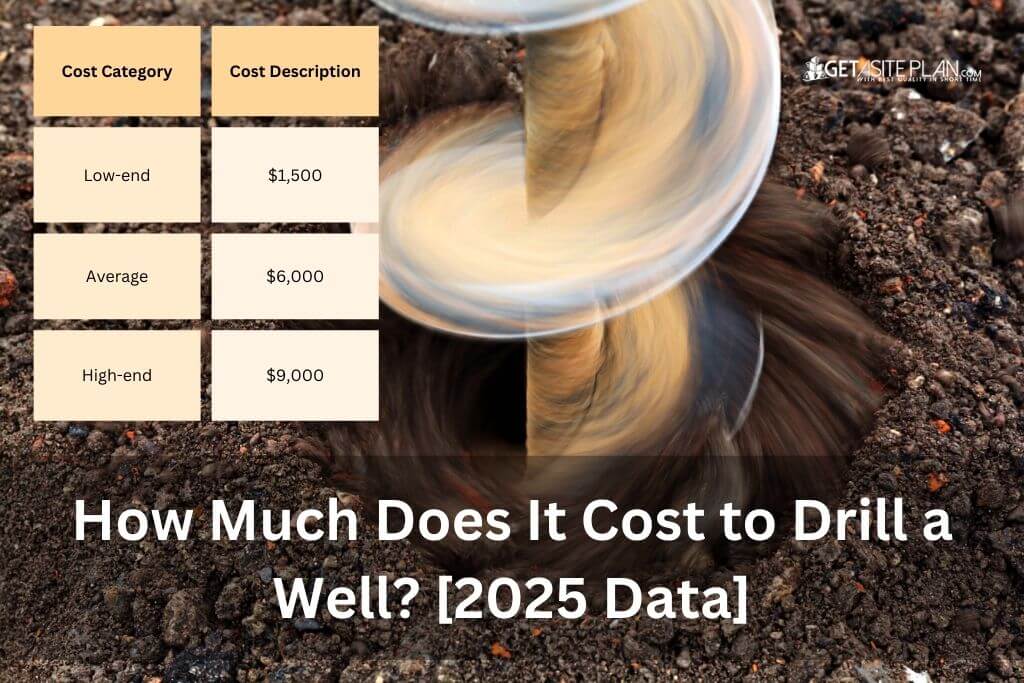
Let’s cut to the chase: a new well typically sets you back anywhere from $3,750 to $15,300, with the average hovering around $5,500 for a standard residential setup. Yes, that’s a big number, but think of it as buying your freedom from municipal water rates, drought restrictions, and that funny taste of city chlorine. The price depends on where you live, how deep the water is, and whether you hit rock (literally).
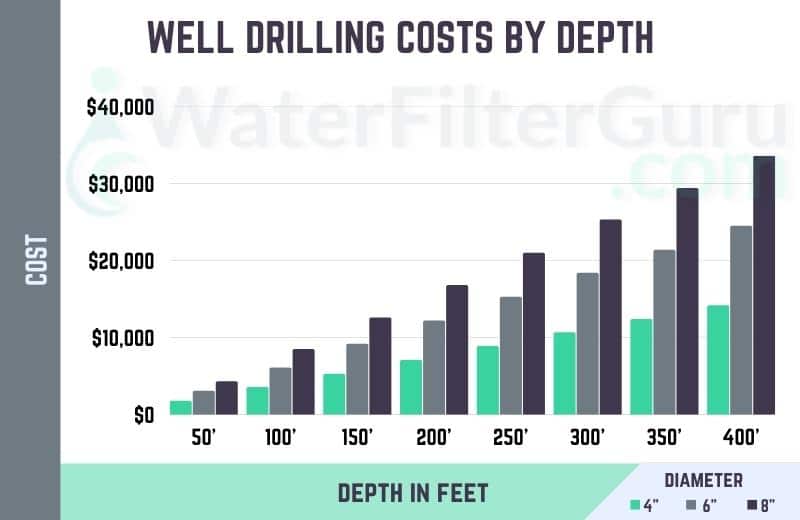
The real kicker? That cost includes drilling, casing, a pump, and a pressure tank—basically, a whole mini-aquifer-to-tap system. For a typical family home, a 100-to-400-foot well is the sweet spot. Deeper wells (500+ feet) can push past $20,000, but that usually means you’re tapping into a pristine, high-yield source that your grandkids will toast to.
Must Read
Breaking Down the Numbers So You Can Dream
If you’re the type who loves a spreadsheet (no judgment), here’s the fun part: drilling alone costs $15 to $30 per foot. Add another $800 to $1,200 for the pump and tank, plus permits and testing, which run about $200 to $500. Suddenly, that $5,500 isn’t a lump of dread—it’s a down payment on independence.
And here’s a secret: you can sometimes save money by pooling resources with a neighbor! Drilling a shared well cuts the per-house cost dramatically, and you get a built-in watering buddy. Pro tip: Always ask local drillers about “cable tool” vs. “rotary” drilling—the method affects both cost and sediment in your water.
 Digging a Well - How To, Regulations and Permits - GetASitePlan
But Wait—What Are You Really Buying?
You’re not just buying a hole in the ground. You’re buying the ability to water a garden full of heirloom tomatoes without watching the meter spin. You’re buying the joy of a long, guilt-free shower after a muddy hike. And yes, you’re buying a conversation starter: “This water? It’s from our own well, 300 feet down. Tastes like victory.”
Financial experts sometimes say a well can increase your property value by 4% to 10%, especially in areas with unreliable municipal supply. But honestly? The real value is that you’ll never have to worry about a burst pipe from the city again. You become your own utility company—and you get to name it something awesome like “Aqua Superior.”
The Hidden Fun (Yes, Fun!) of Well Ownership
Once you get a well, you’ll start obsessing over water quality like a cheerful scientist. You’ll buy a simple test kit and geek out over pH levels and mineral content. Your tap water might taste better than the fancy Italian bottled stuff—and you can brag about it at dinner parties. Plus, you can install a rainwater catchment system alongside your well and become the eco-hero of your block.
 How Much Does a Well Cost? (2024 Well Drilling Cost Guide)
Let’s not forget the sheer delight of filling a kiddie pool for your kids (or your dog) without a single glance at the water bill. That’s the kind of low-stakes rebellion that makes life sparkle.
The Uplifting Bottom Line
So, how much does a new well cost? Enough to feel like an investment, not a burden. And like all good investments—in your home, your sanity, or your lemonade supply—it pays dividends in unexpected ways. You’ll learn a new skill, gain a new appreciation for the planet, and perhaps even save enough over a decade to pay for a trip to that Italian fjord you always dreamed of.
Here’s the inspiring part: every drop of water from your own well is a reminder that you don’t have to wait for permission to be self-sufficient. You can take control, one foot of depth at a time. So go ahead—call a local driller, ask for an estimate, and let the adventure begin. Your future well is just a few thousand dollars and a whole lot of curiosity away.
