How Much Is A Well Water Test

So, you’ve got a well. Congratulations! You’re basically a modern-day pioneer. You drink from the earth’s own hidden soda fountain. But here’s the million-dollar question: How...

So, you’ve got a well. Congratulations! You’re basically a modern-day pioneer. You drink from the earth’s own hidden soda fountain. But here’s the million-dollar question: How much does a well water test cost?
Spoiler alert: It’s way cheaper than a new smartphone. And way more important. We’re talking about your drinking water here.
The Price Tag: It’s Not One Size Fits All
You can spend as little as $20 on a basic home kit. Or you can drop $500 for the full, fancy, lab-grade VIP treatment. Most people land somewhere in the glorious middle: $100 to $300.
Must Read
Why the wild range? It depends on what you want to know. Do you just want to check for nasty bugs like bacteria? That’s cheap. Want to know if you’ve got arsenic from ancient rocks or lead from old pipes? That costs a bit more.
The “Bare Minimum” Test (Cheap & Cheerful)
This is your $20 to $50 starter pack. You grab it at the hardware store. You fill a tiny bottle, mail it in, and hold your breath.
It checks for coliform bacteria (yuck) and nitrates (from fertilizer or, uh, you). If you just bought a house, do this test. It’s like checking if your car has air in the tires before a road trip.
Fun fact: Coliform bacteria itself isn’t always dangerous. But it’s a messenger. It tells you that something unspeakably gross might be sneaking in. Think of it as a little bacterial party crasher that calls its dangerous friends.
The “Full Metal” Test (Middle Ground)
This is the sweet spot: $100 to $200. You’re testing for the rock stars of water contamination. We’re talking arsenic, lead, copper, iron, manganese, and uranium.
Yes, uranium. Your well water could be slightly radioactive. Don’t panic! It’s natural. But you want to know the level. Imagine telling your friends, “I tested my water for uranium this weekend.” That’s a power move at any dinner party.
Iron makes water taste like a rusty penny. Manganese turns clothes a weird orange-brown. You don’t want that. This test also checks for hardness—the reason your dishes look spotty and your hair feels like straw.
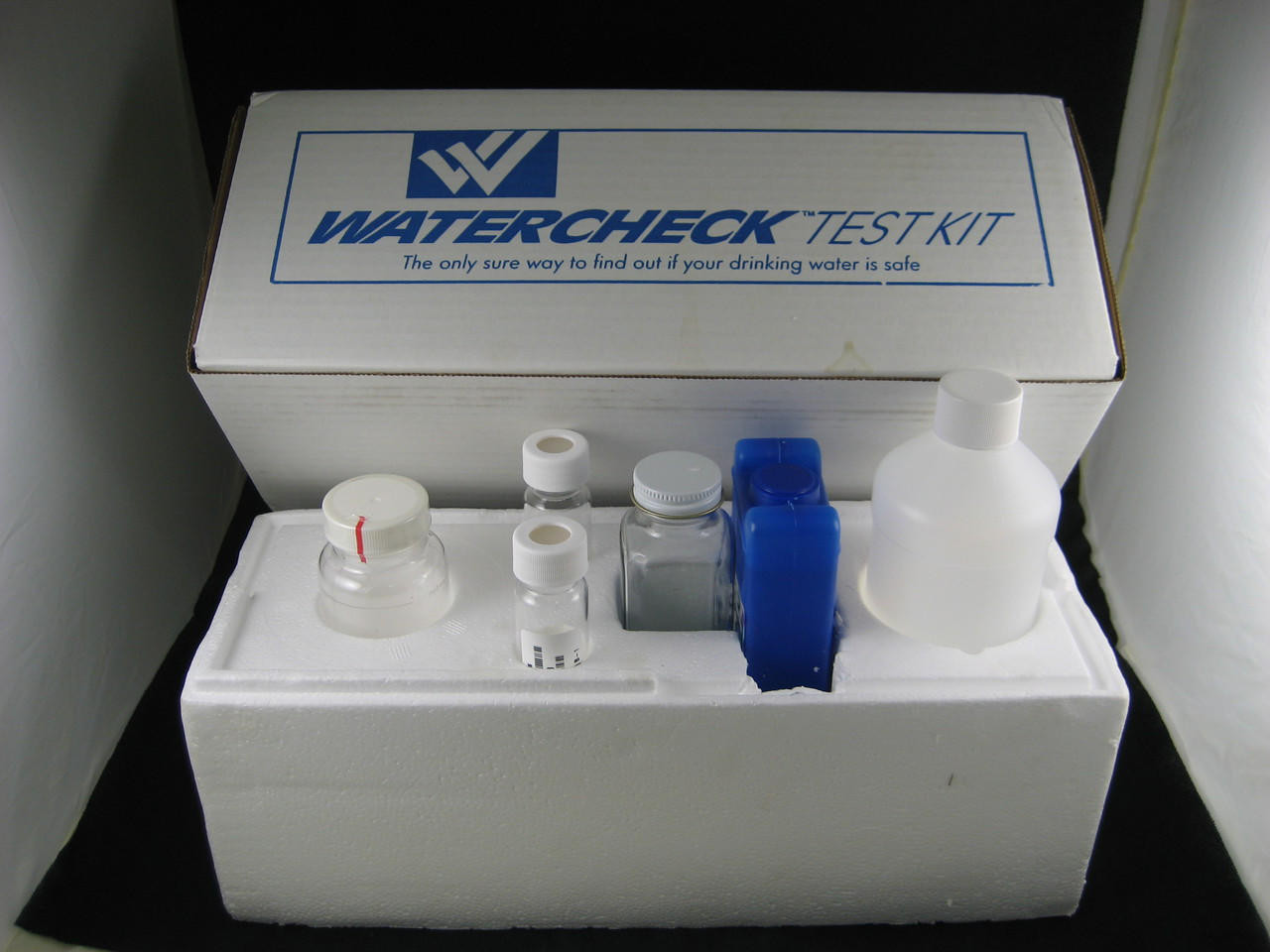 Well Water Test Kit - eWater
The “I’m A Control Freak” Comprehensive Panel
This is the $300 to $500+ extravaganza. It’s for the DIY warriors on acreages. You test for everything: pesticides, volatile organic compounds (VOCs), radon, and heavy metals you can’t pronounce.
You’ll get a lab report thicker than a novel. Pro tip: You might need a water-chemistry translator. But you’ll sleep like a baby knowing your well isn’t secretly a chemical soup.
Quirky fact: Some labs will test for “turbidity.” That’s just a fancy word for “cloudiness.” You’re basically paying to find out if your water is too murky. Spoiler: If it’s brown, you already know.
Why This Topic Is Actually Fun
Testing your well is like a detective mystery. You are Sherlock Holmes, and your water glass is the crime scene. What’s hiding in there? Ancient minerals? Runoff from a farm? A rogue e.coli colony?
It’s a tiny treasure hunt. You pour a sample into a sterile bag (sounds dramatic, right?). You wait two weeks. Then, BAM—you get secret knowledge about what’s flowing beneath your feet.
Bizarre bonus: Some wells have methane gas. Seriously. If your water fizzes like a soda straight from the tap, you might have methane. Don’t light a match near the tap. That’s a real thing. Test for it!
When Should You Splurge?
Always test after a flood. Or if you notice a weird smell. Or if your water suddenly tastes like the bottom of a pond.
:max_bytes(150000):strip_icc()/well-water-test-kit-for-drinking-water---quick-and-easy-home-water-testing-kit-for-bacteria-nitrate-nitrite-ph-manganese--more-5c8fe17071ae4e5eaa331b0014dc9c09.jpg) The 7 Best Water Testing Kits
The 7 Best Water Testing Kits
Also test if you’re pregnant or have a baby. Babies shouldn’t drink nitrate-soup. And definitely test if you’re buying a house with a well. Never trust the seller’s old test. They might have collected it from a different well. Or from a hose. You don’t know their life.
Rule of thumb: Test every single year. Yes, every year. It’s cheaper than a monthly Netflix subscription. And it won’t cancel your water supply after three seasons.
Local Labs vs. Mail-Order Kits
Local labs feel official. You drive up, hand over your precious water bottle, and a person in a white coat takes it. It costs more ($150–$300), but you get results in a few days.
Mail-order kits are fantastic for introverts. You pee—I mean, pour water—into a tube, mail it, and check your email. Cheaper ($50–$150), but slower. Be warned: One company sent me a free sticker with my results. I still have it on my laptop. It says “Don’t Panic.” Great advice.
Don’t Forget The “After”
Getting the test is only half the battle. The real fun begins when you get the results. If numbers are high, you install a filter. A good whole-house filter system costs as much as the test—$200 to $1,000.
But hey, now you know. Knowledge is power. And in this case, knowledge tastes like clean, cold, non-radio-arsenic-bacteria water. That’s priceless.
So go ahead. Spend that $120. Become a water expert at parties. Tell everyone your well has “acceptable levels of uranium” with a straight face. You’ll be a legend.
