What Is Hardness A Measure Of

You’ve probably heard the word hardness thrown around—in gym talk, a gemstone guide, or maybe during a heated debate about the perfect avocado. But what is it actually measuri...
You’ve probably heard the word hardness thrown around—in gym talk, a gemstone guide, or maybe during a heated debate about the perfect avocado. But what is it actually measuring? Spoiler alert: it’s not just about how tough you look.
At its core, hardness is a material’s resistance to being scratched, indented, or permanently deformed. Think of it as a substance’s personal boundary—how much pressure it can take before it says, “Nope, I’m out.”
The Mohs Scale: Your Geeky New Best Friend
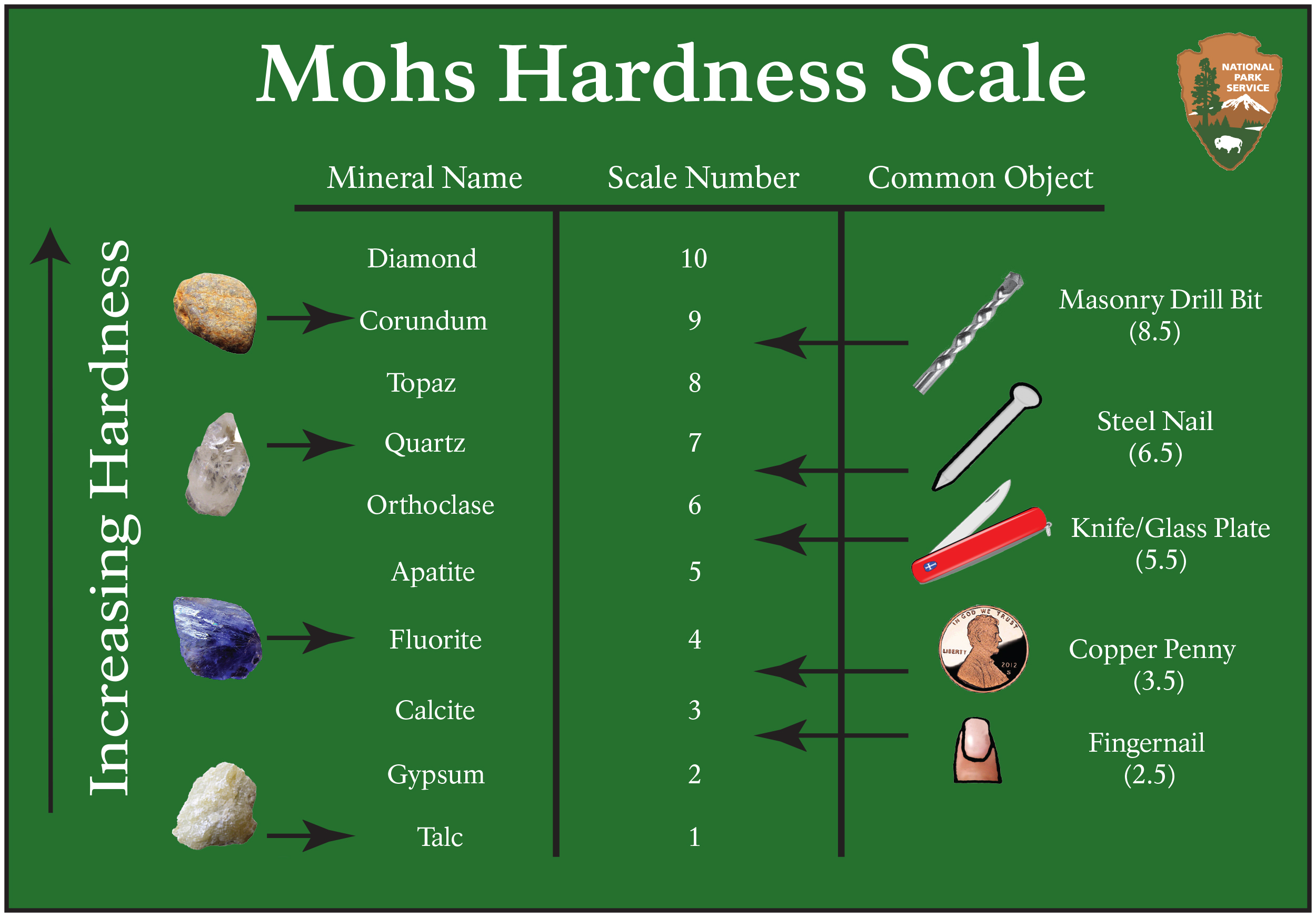
Way back in 1812, a German mineralogist named Friedrich Mohs decided to rank minerals by scratchability. His scale runs from 1 (talc, the softie) to 10 (diamond, the ultimate mean girl).
Must Read
Here’s the fun part: Your fingernail has a hardness of about 2.5. A copper penny is around 3.5. And a steel knife blade? That’s a solid 5.5. So next time you’re at a dinner party, casually scratch a penny with your nail and whisper, “That’s Mohs 3.5.” Instant charisma.
Cultural reference alert: Remember the “hardness” of The One Ring in Lord of the Rings? It had to be forged in Mount Doom because only that heat could overcome its extreme resistance. That’s fictional Mohs-level drama.
But Wait—There’s More Than One Kind of Hard
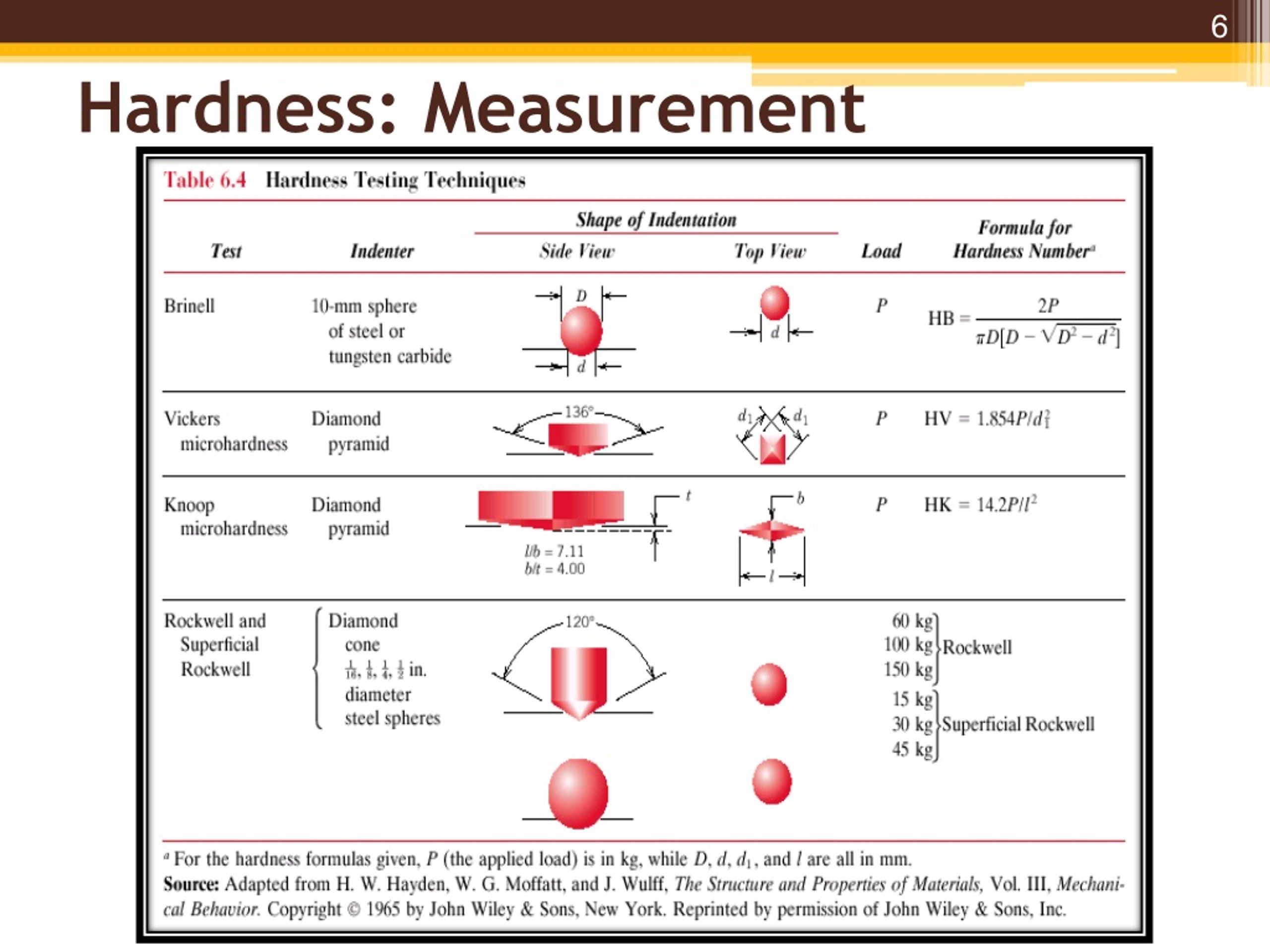
Scientists, being overachievers, have multiple ways to measure hardness. The Rockwell test uses an indenter to push into a material, then measures the depth of the dent. It’s like checking how much a sofa cushion bounces back after you jump on it.
The Vickers test uses a tiny diamond pyramid to make a micro-scratch. And the Brinell test? That one smashes a steel ball into the material, then measures the crater’s diameter. Very old-school, very satisfying.
Fun fact: Diamonds are hard, but they’re also brittle—you can shatter one with a hammer. Hardness and toughness are different, like the difference between a glass vase (hard) and a rubber band (tough).
 PPT - Hardness Test PowerPoint Presentation, free download - ID:9118219
Practical Tips for Your Everyday Hardness Test
In the kitchen: That “hardness” on your avocado? Press gently with your thumb. If it yields slightly, it’s perfect. If it resists completely, you’ll need a week and a prayer.
For your skincare: Water hardness (calcium and magnesium) can leave your hair and skin feeling dry. A simple shower filter can turn your “hard” tap water into something softer—and your shampoo will thank you.
At the hardware store: When buying nails, look for “hardness” ratings. A soft nail bends under pressure; a hard nail snaps. For woodworking, you want that Goldilocks hardness—not too soft, not too brittle.
The Hardness of Your Life (Yes, You)
Here’s where we get a little woo-woo, but stick with me. Hardness isn’t just a material property; it’s a metaphor. We all have moments where we feel hard—resistant to change, unyielding in our opinions, buffed up against the world.
But the best materials, the ones we actually use every day (like your phone screen or your favorite hiking boots), are engineered to balance hardness with resilience. They give a little, but not too much.
 PPT - Chapter 6: Mechanical Properties PowerPoint Presentation - ID:6352925
Fun little fact: The hardest organic material in the human body is tooth enamel, measuring about 5 on the Mohs scale. That’s right—your teeth are tougher than stainless steel. So smile a little more.
Quick Cheat Sheet
Hardness is: Resistance to scratching. Hardness is not: The same as strength. Hardness in pop culture: Wolverine’s adamantium skeleton? Off the charts. But even he gets dented.
Testing at home: Can you scratch a ceramic mug with a steel knife? If yes, the mug has a Mohs below 5.5. That’s a bad mug. Get a new one.
The Final Scratch
So what is hardness a measure of? It’s a story of boundaries—the point where something decides to yield or hold firm. It’s about how much pressure a diamond, a dinner plate, or even your own spirit can take before it says, “Okay, you win.”
In daily life, that’s a reminder: Hardness is useful, but so is flexibility. A material that’s too hard cracks. A person who’s too hard misses the soft touches. So go ahead, be a little Mohs-5.5—resistant enough to hold your shape, but open enough to let life scratch in a good way.
