What Is The Ph Level Of Water

You’ve probably seen the word pH on a bottle of fancy water and wondered if it’s just marketing magic. Well, it’s not magic, but it’s not rocket science either. Think of pH as...
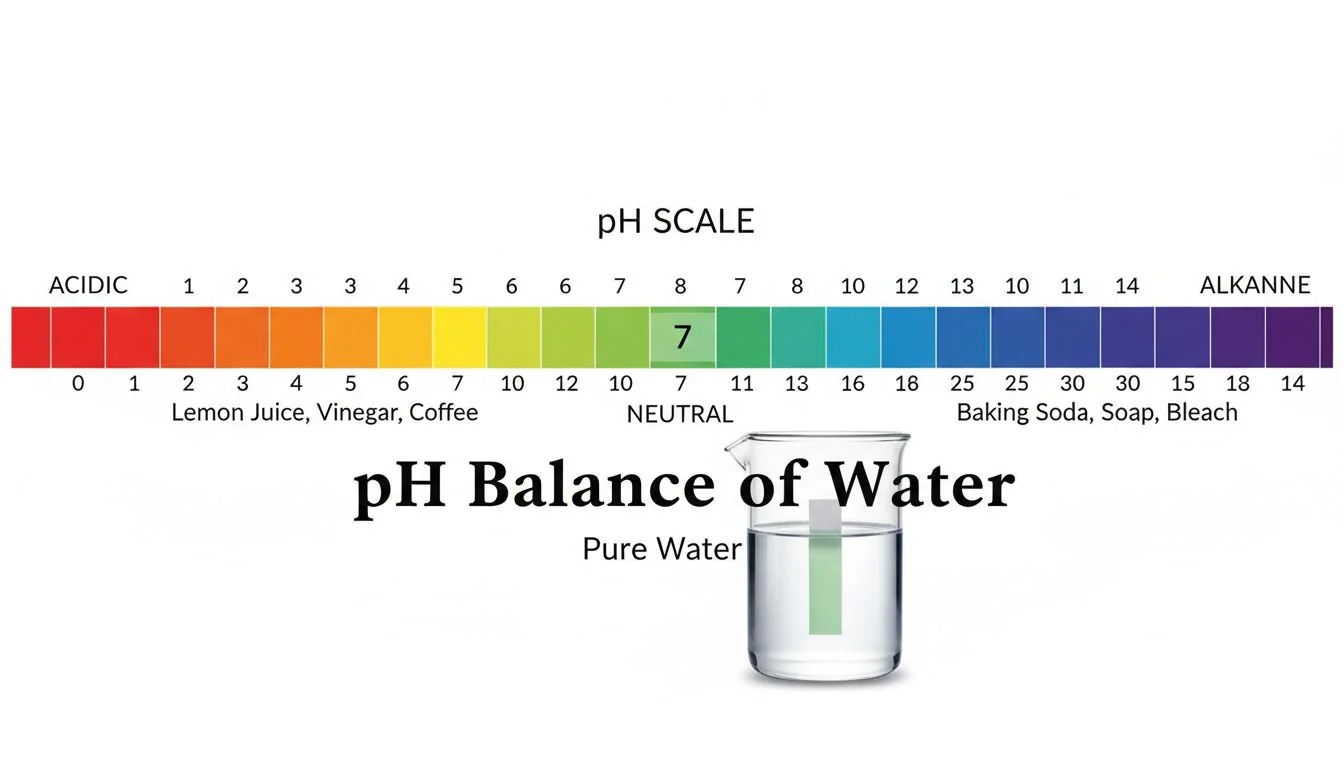
You’ve probably seen the word pH on a bottle of fancy water and wondered if it’s just marketing magic. Well, it’s not magic, but it’s not rocket science either. Think of pH as the water’s personality score, measuring how acidic or alkaline it is on a scale from 0 to 14.
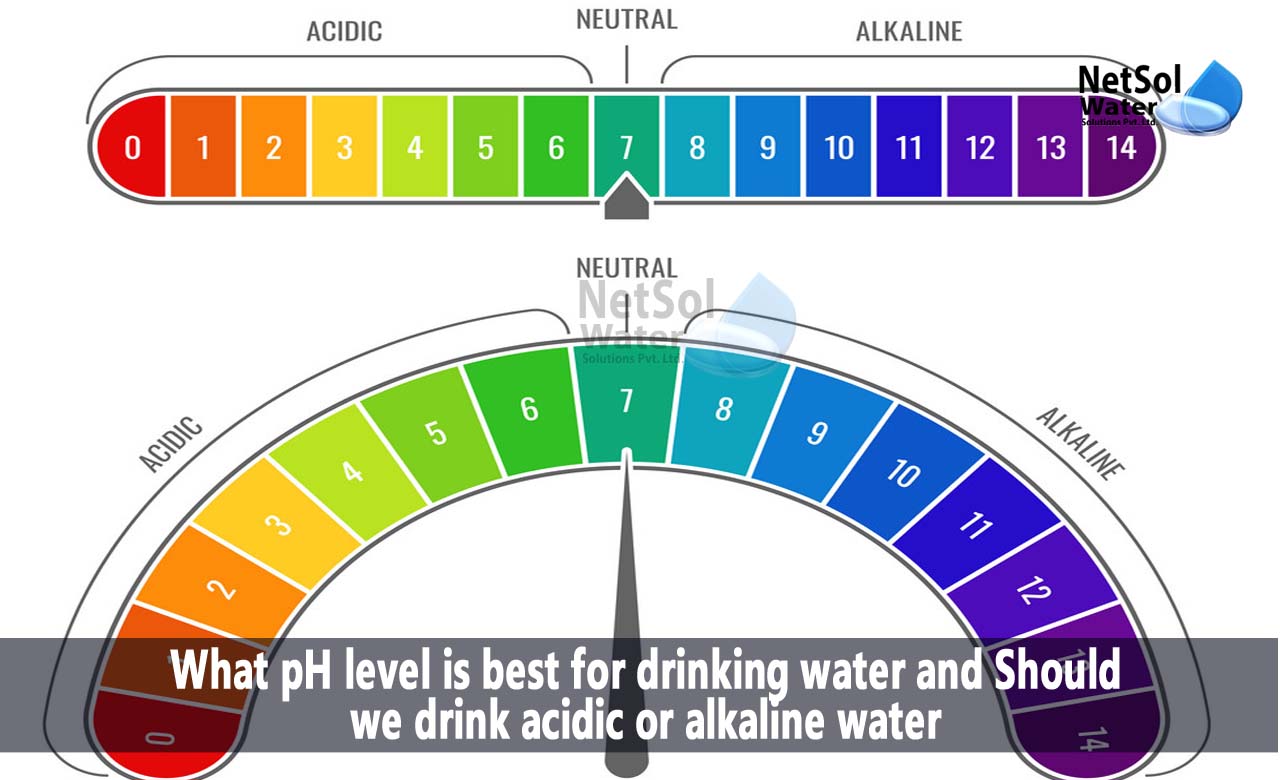
Pure water sits right in the middle at a pH of 7, which is neutral. That’s your baseline, the calm, collected friend who doesn’t get too worked up about anything. If the number drops below 7, the water becomes acidic (think lemon juice), and if it rises above 7, it’s alkaline (like baking soda).
Why Should You Care About Your Water’s pH?
Your body works like a master chemist, and it’s incredibly good at keeping your internal pH right around 7.4. That means the pH of the water you drink doesn’t really change your body’s balance—your lungs and kidneys handle that job.
Must Read
What the pH does affect is how your water tastes and what happens in your pipes. Acidic water (pH below 6.5) can taste metallic and even leach copper or lead from old plumbing, which is a real buzzkill for your health.
The Great Alkaline Water Hype
Alkaline water—usually pH 8 or 9—has become the hydration celebrity of wellness culture. Celebrities swear by it, and fancy water brands charge triple the price for a bottle that’s essentially less acidic than tap water.
The science? A 2016 study in the Journal of the International Society of Sports Nutrition found alkaline water might slightly reduce blood viscosity (your blood’s “thickness”) after exercise. But the effect is tiny, and most doctors will tell you it’s not a miracle cure—just a very expensive drink.
Fun fact: Your stomach uses hydrochloric acid with a pH of about 2 to digest food. That little sip of alkaline water? It’s neutralized in seconds. Your body doesn’t care; it just says “thanks for the H2O.”
 Eternal Water Ph Level – Eternal Water Test – BCUPBU
Everyday Water pH: What’s in Your Glass?
The pH of your tap water depends on where you live. Most municipal water falls between 6.5 and 8.5, which is perfectly safe for drinking. If you’re curious, you can buy a simple pH testing kit online for under ten bucks—it’s a fun party trick.
Bottled waters vary wildly. Dasani and Aquafina typically hit around 5.5 to 6.5 (slightly acidic due to added minerals or purification processes). Spring waters often land closer to 7.5, while alkaline brands like Smartwater and Essentia hover around 8.5 to 9.5.
A Quick Cultural Check
In Japan, there’s a centuries-old practice of drinking “Kangen water” (electrolyzed reduced water) at pH 8.5, believed to promote longevity and digestion. In Italy, you’ll find people proudly drinking “acqua di rubinetto” (tap water) at pH 7.2 with a glorious shrug.
Your choice says more about your vibe than your health. Do you want the sleek bottle with the pH number on the label? Go for it. Prefer a reusable bottle from your sink? That’s just as good—and much more sustainable.
Practical Tips for pH-Curious People
First, stop overthinking it. Unless you have a specific medical condition like acid reflux or kidney issues, your body handles pH balancing better than any influencer. Your tap water is almost certainly fine.
 What is pH of Water?- Everything You Should Know About Water
If you do want to adjust your water’s pH for taste or curiosity, add a squeeze of lemon—ironically, lemon water is acidic but becomes alkaline in your body after digestion. A pinch of baking soda will make your water more alkaline (start with a tiny amount or it’ll taste like a science experiment).
One more fact: Rainwater is naturally slightly acidic (around pH 5.6) because it absorbs carbon dioxide from the air. That’s why “pure rain” is actually a gentle acid wash, which explains why it makes plants sparkle.
The Bottom Line
pH is a fascinating lens to view your water, but it’s not a measure of quality. A pH of 7.0 doesn’t mean “perfect,” and an 8.5 doesn’t mean “superior.” It’s just a number, like your age—interesting, but not defining.
The best water pH is the one that makes you drink more of it. If a slightly alkaline taste makes you hydrate like a champion, great. If your tap water is cold and crisp, that’s equally winning. Your cells don’t care about the number; they just need the wet stuff.
So here’s the reflection: The next time you see a bottle advertising “pH 9.2+” with a serene mountain photo, smile. Take a sip of whatever you have—tap, spring, filtered, fancy—and remember that water’s real magic isn’t its acidity. It’s the simple, miraculous fact that it keeps you alive, one easy-going sip at a time.
