What Is Considered Pure Water

Let’s face it: we all want that crisp, refreshing glass of water that feels like it’s doing a happy dance on our tongue. But what actually counts as pure water? Is it the stuf...
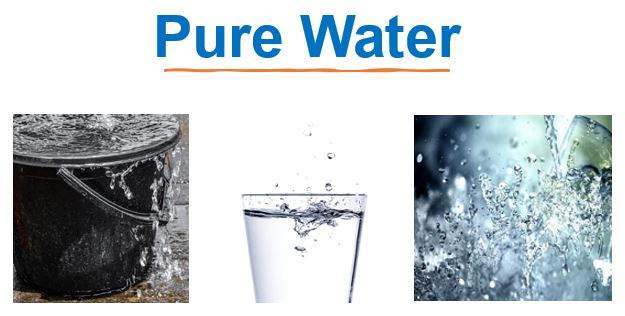
Let’s face it: we all want that crisp, refreshing glass of water that feels like it’s doing a happy dance on our tongue. But what actually counts as pure water? Is it the stuff from a mountain spring, or just anything that comes out of a fancy filter? Spoiler alert: it’s simpler—and more fun—than you think.
Defining the “Purity” Vibe
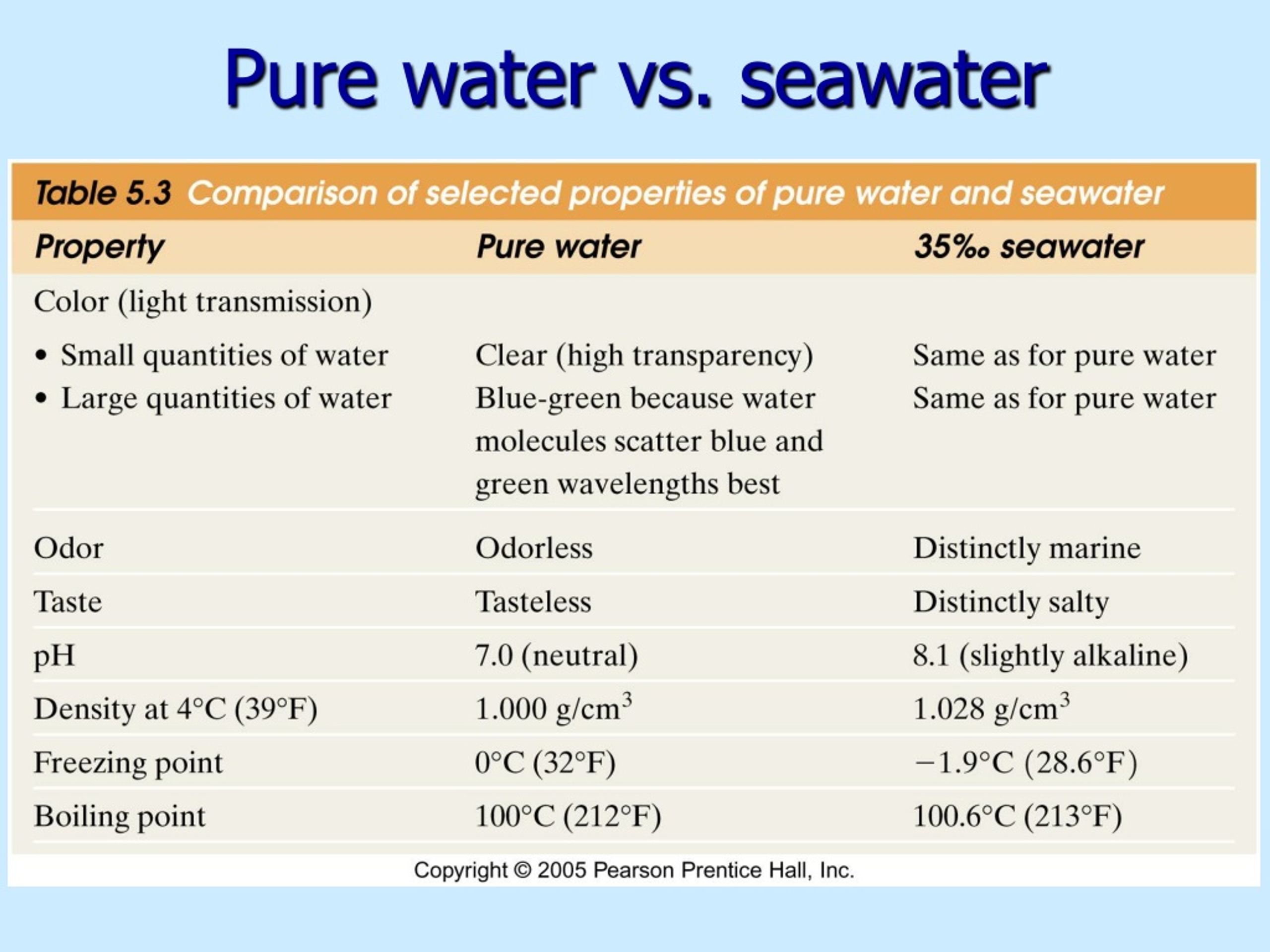
Technically, pure water is just H₂O—two hydrogen atoms and one oxygen atom, hanging out together. In chemistry labs, we call this deionized or distilled water, stripped of minerals, salts, and pretty much everything else. That sounds serious, right? But here’s the kicker: absolutely pure water tastes flat and boring, like a party with no music.
So why do we chase it? Because “pure” in daily life isn’t about zero everything. It’s about water that’s free from harmful contaminants—like bacteria, lead, or weird chlorine smells—while keeping a little mineral character for that zip. Think of it as a balanced friend: clean, but not a snob.
Must Read
The Great Tap vs. Bottled Debate
Your tap water is usually safe and regulated, but “safe” doesn’t always mean pure. It might have trace metals or disinfectant leftovers, which is why some people call it “swimming pool water” (yikes!). Bottled water isn’t automatically better either—some is just tap water in a fancy disguise.
Here’s the fun part: you can become a water detective at home. A simple test kit or a good pitcher filter can turn your kitchen faucet into a mini purification station. Suddenly, you’re not just drinking—you’re curating your hydration experience. How cool is that?
 PPT - WATER: Structure and Function PowerPoint Presentation, free
What’s Actually in “Pure” Water?
The world’s purest natural water often comes from rain—yes, rain! Before it hits the ground, it’s almost perfectly distilled by nature. But once it lands, it picks up minerals and dust, which is why rain tastes different than, say, glacier water. Glacier water is a rockstar because it’s been frozen for centuries, untouched by humans.
But don’t worry—you don’t need to move to Antarctica. High-quality reverse osmosis or distilled water at home gets you 99.9% pure. Though, a little tip: add a pinch of sea salt or a slice of lemon to give it life. Pure water without minerals is like a laptop without a charger—functional, but not very exciting.
Why This Topic Makes Life More Fun
Think about it: water is the one thing you drink every single day, multiple times. Understanding purity means you can dial in the taste you love—maybe crisp and mineral-forward like a spring, or silky and neutral like a cloud. It’s like being a DJ for your hydration playlist.
 PPT - Water and Seawater: Properties and Composition PowerPoint
Plus, you get to impress friends at dinner parties. “Oh, this water? It’s from my countertop distiller, with a hint of Himalayan pinch.” Watch their eyes widen. Suddenly, you’re the cool, hydrated guru everyone wants to know.
The Uplifting Note You Didn’t Know You Needed
So, what is considered pure water? It’s not a harsh, sterile thing. It’s water that makes you feel alive—clear, safe, and just right for your taste buds. The best part? You get to define it. Whether you filter, boil, or buy, you’re in charge of your own little oasis.
Here’s the inspiring truth: every time you choose to learn about something as simple as water, you’re choosing to care for yourself. And that tiny act of curiosity? It ripples out—making your morning, your energy, and even your smile a little brighter. So go ahead, pour yourself a glass of your favorite water, and toast to the adventure of getting it just right. Cheers to pure fun!
