How To Clean Hard Water Spots

Alright, let’s talk about the uninvited guests that have taken up residence on your faucets, shower doors, and glassware. You know the ones—those chalky, white, and utterly an...
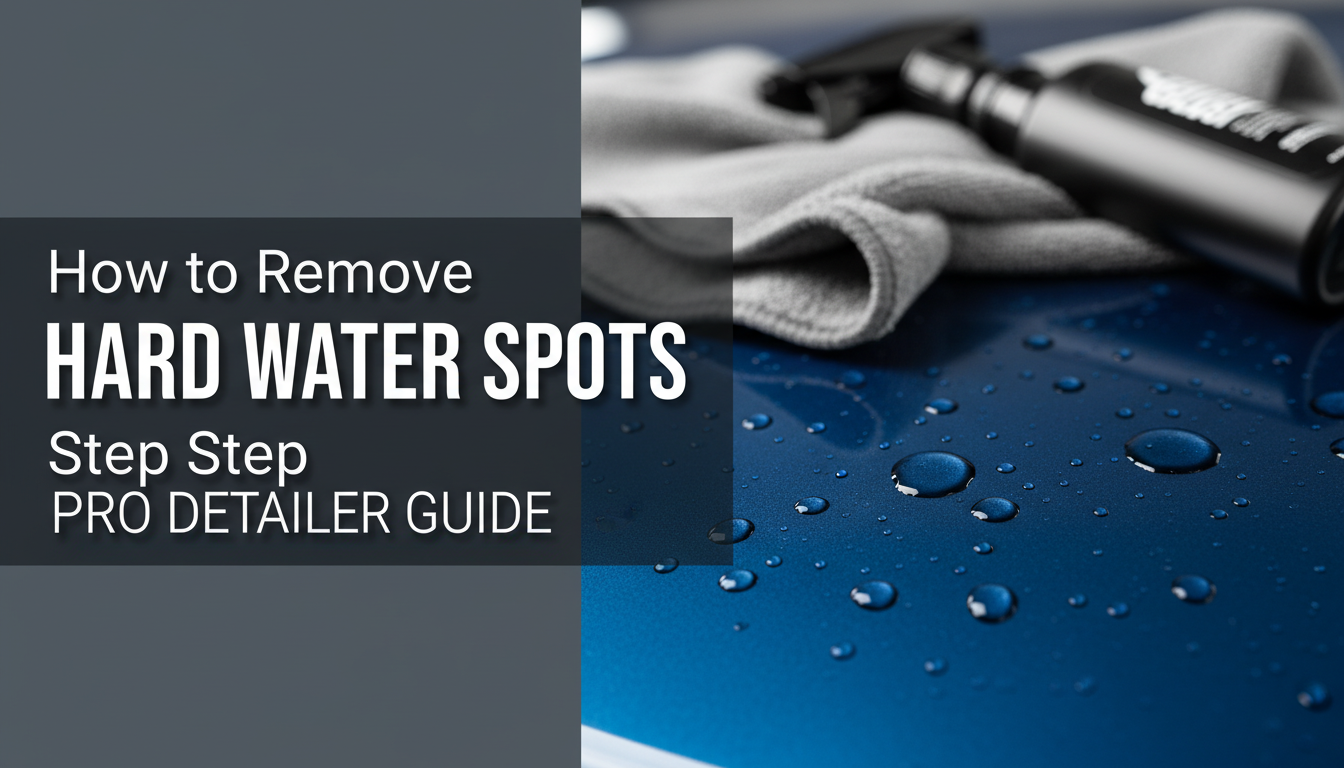
Alright, let’s talk about the uninvited guests that have taken up residence on your faucets, shower doors, and glassware. You know the ones—those chalky, white, and utterly annoying hard water spots. They’re like the glitter of the cleaning world: they get everywhere and never seem to truly leave.
But guess what? You don’t have to live with a bathroom that looks like a crime scene of calcium deposits. Today, we’re going to kick those spots to the curb, and we’ll have a little fun doing it. No hazmat suits required.
First, What in the World Are These Spots?
Think of hard water spots as the leftover drama after a water fight. When water evaporates, it leaves behind minerals like calcium and magnesium. These minerals are what create that cloudy, stubborn residue that makes your glass shower door look like it’s seen better days.
Must Read
So, it’s not your fault you’re a messy cleaner—it’s science! But now that we know our enemy, it’s time to arm ourselves with things you probably already have in your kitchen.
Your Secret Weapons: Vinegar & Baking Soda
White vinegar is the hero of this story. It’s acidic enough to dissolve those mineral deposits without melting your face off (unlike some harsh chemicals). Just don’t drink it straight—unless you’re into that sort of thing. You do you.
Baking soda is its trusty sidekick. When you mix them, they create a fizzy, volcano-like reaction that’s both satisfying and effective. Plus, it makes you feel like a mad scientist, which is always a plus.
The Easiest Method: The Vinegar Spray
Grab a spray bottle and fill it with equal parts white vinegar and water. That’s it. No fancy ratios. Just eyeball it and call it a day. Spray the mixture directly onto the hard water spots on your faucets, shower heads, or glass doors.
Let it sit for five to ten minutes. Go check your phone, pet your cat, or practice your victory dance. The vinegar is doing all the heavy lifting while you lounge.
After the wait, wipe the area with a soft cloth or sponge. For extra stubborn spots, use a non-abrasive scrubber. You don’t want to scratch your shiny surfaces—that’s how you end up with a new set of problems.
 How to Remove Hard Water Buildup From Faucet | Easy Hard Water Stain
The Baking Soda Booster
If the vinegar spray alone isn’t cutting it (those spots are tenacious!), make a paste with baking soda and a tiny bit of water. Spread the paste on the spots, let it sit for a minute, then scrub gently. The paste acts like a gentle sandpaper, lifting the gunk away.
Rinse with water and wipe dry. Your shower door will look so clear you might accidentally walk into it. (Please don’t.)
The Magic of Lemons
If vinegar’s smell makes you want to run for the hills (it is a bit punchy), use lemon juice instead. It’s naturally acidic and smells like a fresh summer day. Cut a lemon in half, dip it in a bit of salt for grit, and rub it directly on the spots.
This is also a great way to pretend you’re a gourmet chef doing something fancy. Just don’t serve that lemon to guests afterward. Trust me.
For the Love of Glass: The Commercial Lifesaver
Some spots are like that one friend who refuses to leave the party. For super stubborn deposits on glass, try a commercial cleaner like CLR or Bar Keepers Friend. Read the label, follow the instructions, and you’ll be spot-free in no time.
Or, if you’re feeling lazy (no judgment), buy a Rain-X spray for your shower doors. It creates a barrier that prevents new spots from sticking. It’s like sunscreen, but for your bathroom.
 Can I Remove Hard Water Stains From My Windows? – XXLRC
Prevention: The Lazy Person’s Dream
Want to avoid this whole song and dance in the future? Here’s the secret: dry your surfaces after every use. Yes, I know, it sounds like work—but hear me out. Keep a squeegee in the shower and give the glass a quick swipe after you rinse. It takes ten seconds and stops spots from forming.
For faucets, just wipe them with a microfiber cloth when you’re done brushing your teeth. Your future self will thank you. Seriously, you’ll feel like a domestic superhero.
A Word on Tough Love
Don’t use steel wool or abrasive powders on glass or chrome. That’s like using a chainsaw to slice butter. You’ll just scratch everything and cry later. Stick with soft cloths, sponges, and patience.
And if you do scratch something? It’s okay. We’ve all been there. A little imperfection adds character—or so I tell myself about the dent in my car.
The Uplifting Conclusion (You’ve Made It!)
Congratulations! You’ve just learned how to banish hard water spots with things that smell like a salad dressing experiment. You are now armed with science, humor, and a whole lot of vinegar.
But here’s the real takeaway: Life is full of stubborn spots—on our glasses, our faucets, and even in our day-to-day routines. But with a little patience, the right tools, and a willingness to laugh at the mess, almost anything can be cleaned up. You’ve got this.
So go ahead, spray that vinegar, squeeze that lemon, and wipe away those spots like the badass you are. And if a few remain? Just smile and call them “mineral art.” After all, a spotless house is nice, but a happy heart is even better. Now go pour yourself a glass of water—preferably in a spot-free glass. Cheers! 🥤
