How To Remove Lead From Water

So, you’ve discovered there’s lead in your water. That’s like finding out your friendly tap is secretly a villain from a 1980s action movie—dangerous, shiny, and terrible for...
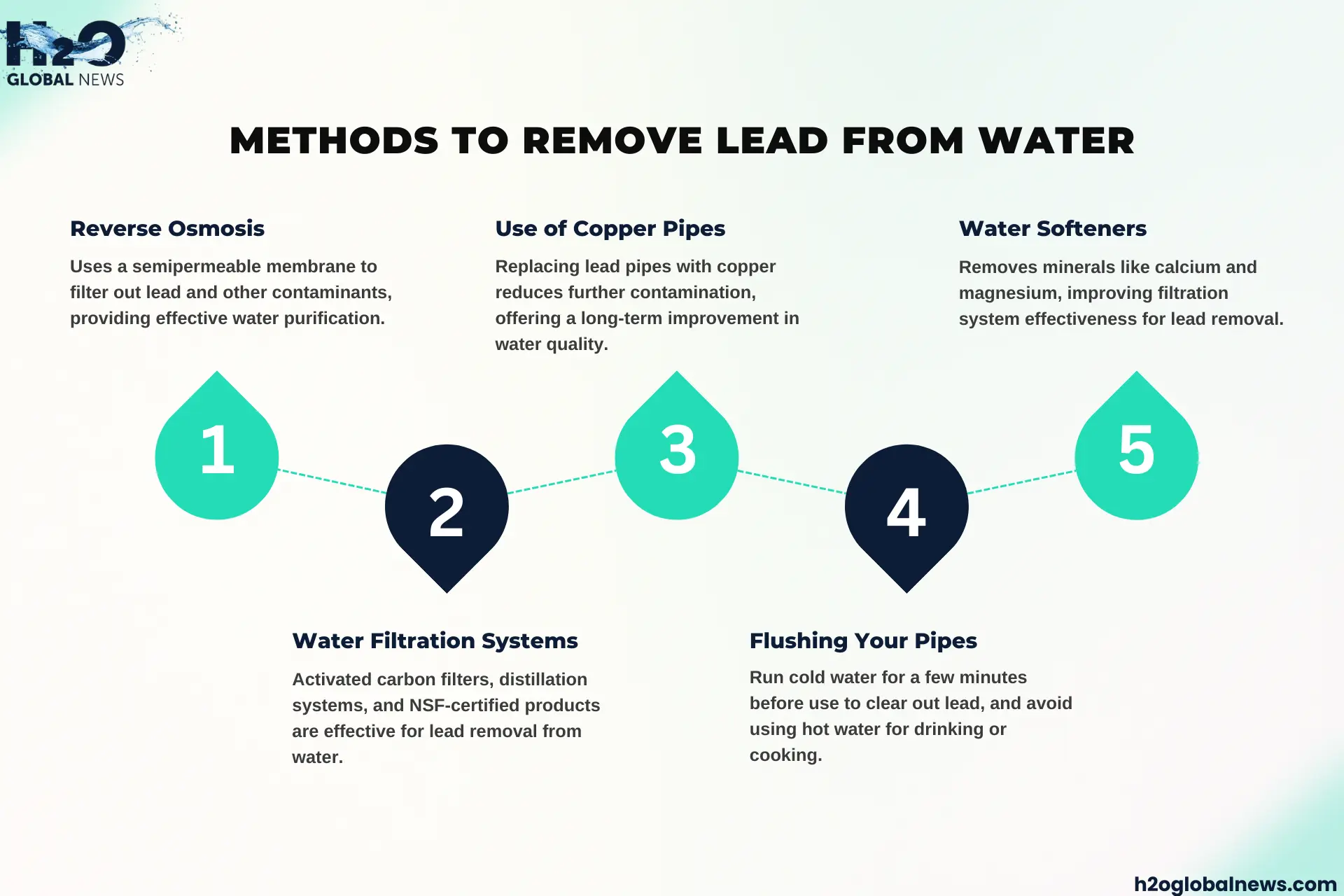
So, you’ve discovered there’s lead in your water. That’s like finding out your friendly tap is secretly a villain from a 1980s action movie—dangerous, shiny, and terrible for your brain. Don’t panic. You don’t need to move to a mountaintop and drink rainwater collected in a coconut. You just need a plan, and maybe a little humor to get through it.
Step One: Don't Boil It (Seriously, That’s a Disaster)
Your first instinct might be to boil that water, like you’re making pasta for a nervous breakdown. But here’s the kicker: boiling water does not remove lead. In fact, it does the opposite—it concentrates the lead by evaporating the water. You’re turning a mildly leady soup into a lead reduction sauce. Bad move.
Think of boiling as a prank call from the universe. It works for bacteria, but lead just laughs at your bubbles. Never boil lead-contaminated water unless you’re trying to audition for a science experiment gone wrong.
Must Read
The Three Weirdos That Save the Day
You have three main methods to kick lead out of your water: distillation, reverse osmosis, and activated carbon filtration. Each is like a different superhero—one is a nerdy chemist, one is a muscle-bound bully, and one is a sneaky sponge. Let’s meet them.
Distillation: The Overachiever
Distillation is basically boiling water, then catching the steam. It’s like making a fancy gin, but for safe hydration. The lead stays behind because it’s too heavy and sad to fly with the steam. You get pure H₂O and a pot full of lead sludge you can pretend is modern art.
The catch? It uses a ton of electricity. You’ll feel guilty about the environment, but hey, at least your brain won’t turn into a medieval bell. Also, it’s slow. Watching distillation is like watching a sloth on a treadmill—effective, but you’ll age a decade.
Reverse Osmosis: The Bully with a Membrane
Reverse osmosis uses pressure to shove water through a super-fine membrane. The membrane has holes so tiny that lead molecules get left behind, crying. It’s like a bouncer at a club who only lets in water molecules, but kicks out any metal riffraff.
This method is very effective—it removes 99% of lead. But it also wastes a lot of water. For every gallon you drink, you’ll send about three gallons down the drain. So you’re either saving your brain or joining a drought protest. Balance, people.
 How to Remove Lead from Water? How to Eliminate Lead from Water? How to
Activated Carbon Filters: The Sponge of the Gods
This is the one you’ve seen in fancy water bottles or those Brita pitchers your aunt raves about. Activated carbon is like a thirsty sponge with a vendetta against heavy metals. It traps lead particles in its tiny pores, kinda like how your sock drawer traps rogue socks.
But here’s the secret: not all carbon filters are created equal. You need one specifically certified for lead removal. Check the label. If it says “NSF/ANSI Standard 53” or “lead reduction,” you’re golden. If it just says “removes bad taste,” you’re basically putting a cardboard hat on your water and hoping for the best.
Surprising Fact: Your Pipes Might Be the Real Jerk
Here’s a twist that will make you laugh-cry: your water might be clean when it leaves the treatment plant. Then it travels through old lead pipes that act like a toxic frat house for water particles. The lead leaches in because your water is slightly acidic or just bored.
So if you live in a house built before 1986 (when lead pipes were banned in the US), your plumbing is basically a historical artifact you don’t want on display. Test your water. Lead poisoning is sneaky—it builds up over time, like a slow-motion betrayal from your own plumbing.
The Cheapskate’s Guide: Flush and Filter
Don’t have hundreds of dollars for a reverse osmosis system? Do this: flush your pipes every morning. Let the cold water run for 30 seconds to a minute before drinking. That washes out the water that’s been sitting in the lead pipes overnight. It’s like waking up your plumbing with a gentle slap.
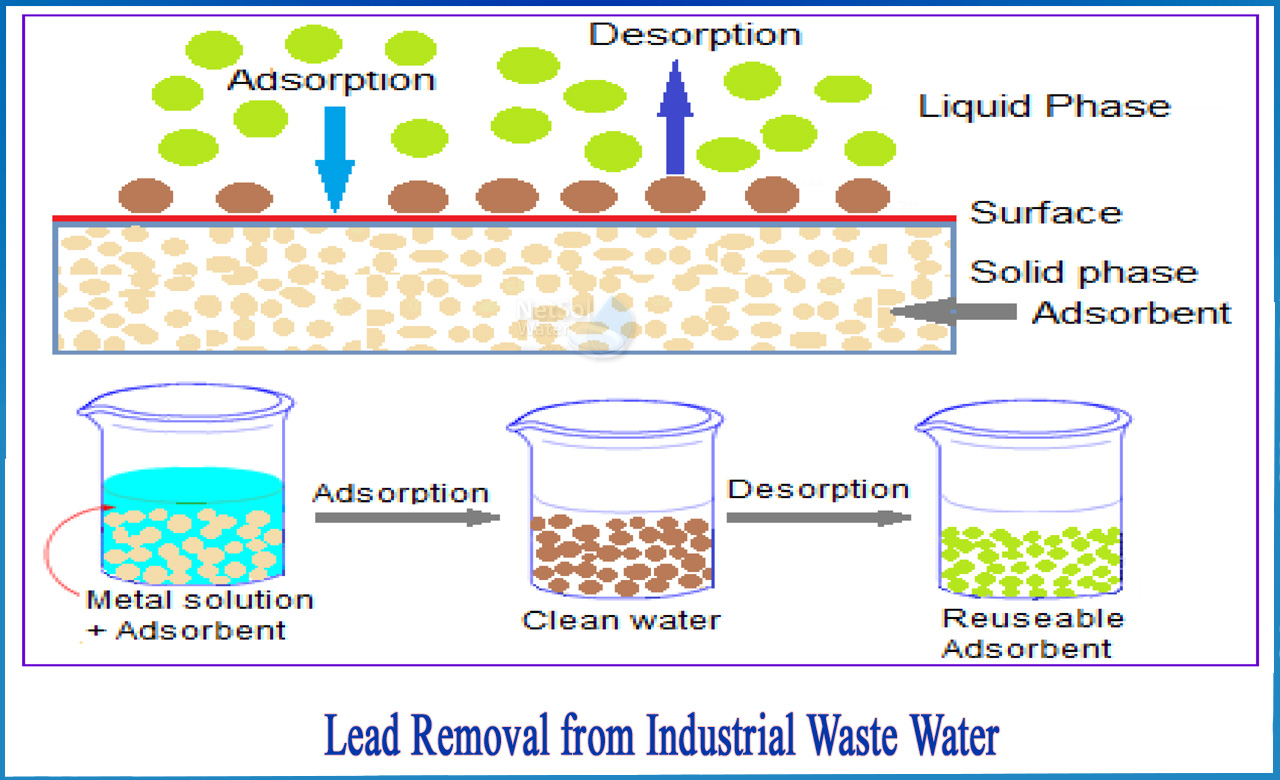 Lead In Water How To Remove at Stuart Witt blog
Then, use a pitcher filter with lead-certified carbon. Yes, it takes patience. Yes, you’ll eventually resent that pitcher. But it works for most homes, and it’s cheaper than buying a solid-gold water bottle from a wellness influencer.
The Dark Horse: Whole-House Filtration Systems
If you’re rich, paranoid, or both, you can install a whole-house lead filter. It sits at your main water line and treats every tap like a VIP. Showers, toilets, garden hoses—all lead-free. You’ll be the hero of your own home, like a plumber Batman.
The downside? Costs as much as a used sedan and requires professional installation. Also, your guests will think you’re a show-off. But hey, if you’re drinking water that’s purer than a mountain spring, who cares about haters?
A Final, Silly Warning
Do not try to remove lead with crystals, magnets, or positive vibes. I’m looking at you, wellness pyramid schemes. Lead is a dense, stubborn metal. It does not respond to yoga. It laughs at your essential oils. Only real, certified tech works.
So there you have it. You can boil, you can cry, or you can filter responsibly. Your brain will thank you, your children will be smarter, and your tap water will stop being a villain. Now go forth, hydrate, and remember: lead is for pencils, not for drinking.
