How To Remove Iron From Water

You take a sip of water, and it tastes like you’re licking a rusty nail. That metallic tang isn’t your imagination—it’s iron, and it’s crashing your hydration party. Iron in w...

You take a sip of water, and it tastes like you’re licking a rusty nail. That metallic tang isn’t your imagination—it’s iron, and it’s crashing your hydration party. Iron in water is a common nuisance, turning laundry a dingy orange and leaving reddish-brown stains on your pristine porcelain sinks.
The Iron Age Is Over (In Your Home)
Iron enters your water supply naturally, seeping from rocks and soil as groundwater moves underground. In fact, around 30% of U.S. households deal with some level of iron contamination, especially those on private wells. It’s not dangerous to your health (your body actually needs a little iron), but it wreaks havoc on your plumbing and your patience.
The visual clue is unmistakable: that rusty tint that makes your bathwater look like it belongs in a sepia-toned Instagram filter. The smell? Earthy, metallic, and undeniably weird. It’s the kind of water that makes you feel like you’re showering in a miner’s bucket.
Must Read
Know Your Iron Enemy
Iron comes in two main personalities: ferrous (clear water iron) and ferric (red water iron). Ferrous iron is sneaky—it’s dissolved and invisible when fresh, but oxidizes and turns rusty the moment it hits air. Ferric iron is already oxidized, showing up as visible red particles that settle in your glass.
Think of ferrous as a chameleon and ferric as a spotlight hogger. This distinction matters because the removal method changes. A quick test: fill a clear glass, let it sit for 20 minutes, and check for sediment or color change. If it turns rusty, you’re dealing with ferrous.
Removal Methods: From DIY to High-Tech
You don’t need a chemistry degree or a second mortgage to get rid of iron. The solution depends on your iron level (measured in parts per million or ppm) and your budget. Let’s break it down like a choose-your-own-adventure book.
For low levels under 3 ppm, a simple whole-house sediment filter often does the trick. These are cheap, like a $50 cartridge that catches rust particles before they hit your faucet. It’s the equivalent of wearing sunglasses—not a cure, but it blocks the annoyance.
For moderate iron (3-10 ppm), a water softener is your workhorse. Softeners use ion exchange, swapping iron ions with sodium or potassium ions. Imagine tiny bouncers at a club, politely ejecting the rowdy iron and letting in the friendly salts. Just keep the resin bed clean with a monthly additive like ResCare to prevent “iron fouling.”
 Water Tank Filter System For Iron Removal at Raymond Mason blog
The Heavy Hitters: Oxidation Filtration
When iron levels climb above 10 ppm, you need an oxidation filter. This system uses air, chlorine, or ozone to turn dissolved iron into solid particles, then catches them with a filter. Brands like Birm or Greensand are the celebrity bouncers of the water world—expensive but effective.
Think of it as a spa treatment for your water: it forces the iron to show its true colors (rust), then sweeps it away. Installation can cost $1,000–$3,000, but it’s a one-time fix for serious problems. If you’re dealing with a “red tide” in your toilet tank, you’re in this club.
For the truly adventurous, reverse osmosis (RO) is the gold standard—it removes up to 99% of iron and almost every other contaminant. It’s slow (a few gallons per hour), and you’ll need a separate faucet for drinking water. But it’s like having a Michelin-star chef purify every drop.
Cultural Irony: The Rust Belt and Your Kitchen
Fun fact: The “Rust Belt” in the U.S. got its name from deindustrialization, but your water can create a mini Rust Belt in your own home. In Japan, iron-rich water is sometimes prized for tea ceremonies, where the metallic hint is called “kuchi-jitate”—a flavor profile that purists argue enhances matcha. We’re not judging, but maybe stick to filtered water for your morning brew.
Another head-scratcher: iron bacteria (iron-loving microorganisms) can create slimy, reddish-brown goo in your pipes. It’s basically a microscopic party that stains your toilet bowl. The fix? Shock chlorination—a bleach treatment that kills the bacteria. Wear gloves and hold your nose.
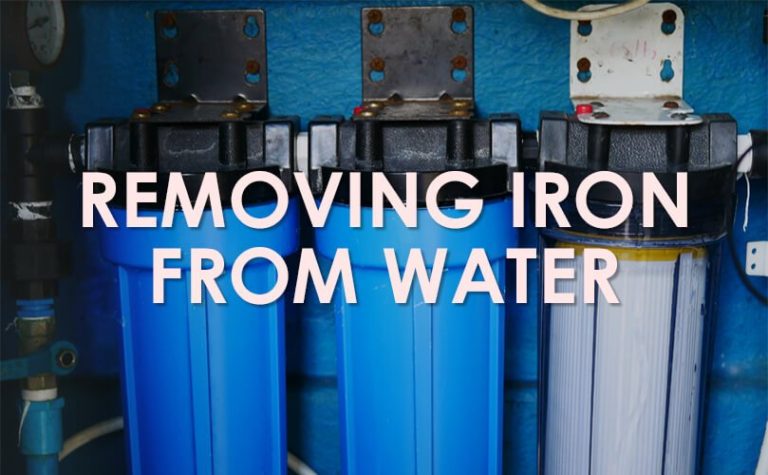 Brenneco Plumbing | Iron Water Filters
Practical Tips for Everyday Life
If you’re waiting for a permanent system, cheat with citric acid. Add a tablespoon to your dishwasher’s rinse cycle to dissolve rust spots on glasses. It’s like a detox for your flatware.
For laundry, use a rust remover additive like Iron Out or a splash of white vinegar in the rinse cycle. Never use chlorine bleach with iron water—it oxidizes the iron and sets stains permanently. That white shirt will turn into a pumpkin.
Invest in a ShowerStick or a point-of-use filter for your bathroom if you can’t tackle the whole house. It’s a small device that removes iron from your shower stream, saving your hair from becoming brassy and your skin from feeling like sandpaper. Your keratin will thank you.
A Short Reflection on the Stuff We Pour
Water is the quietest part of our day—we drink it, wash in it, cook with it, and rarely give it a second thought. But when it brings along a guest like iron, we suddenly become amateur chemists and plumbers. There’s something grounding about fixing a problem that’s as old as the earth itself.
Iron is strong, stubborn, and essential for life (literally—your blood needs it). Maybe the work of removing it is a reminder that even the simplest things need a little maintenance. So next time your water runs clear, take a moment. You’ve tamed a mineral. That’s a pretty metal way to start the day.
