How To Find Stopcock In House

Picture this: it’s a quiet Sunday morning. You’re sipping coffee, scrolling through memes, when suddenly—drip… drip… DRIP—your peaceful morning turns into a plumbing nightmare...
Picture this: it’s a quiet Sunday morning. You’re sipping coffee, scrolling through memes, when suddenly—drip… drip… DRIP—your peaceful morning turns into a plumbing nightmare. Water is gushing from a burst pipe under the sink, and you’re doing the frantic “where-is-the-stopcock?” dance.
I’ve been there. My socks were soaked, my cat was judging me, and I had no clue where that magical valve lived. Sound familiar? Let’s fix that—before the next flood.
The stopcock (or main water shut-off valve) is your home’s emergency brake for water. Find it now, and you’ll save your floorboards, your sanity, and maybe your relationship with your landlord. Trust me on that last one.
Must Read
Start with the obvious—but don’t stop there
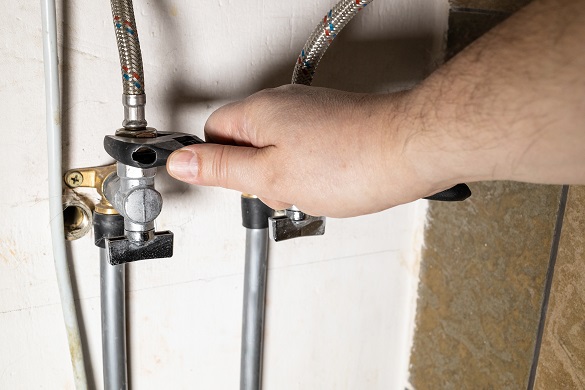
First, check under the kitchen sink. That’s the VIP lounge for stopcocks—right where the main water pipe enters your house. Look for a small lever or a round wheel attached to a copper or plastic pipe.
If it’s not there, don’t panic. Side note: panicking makes your socks wetter. Next, scan the bathroom cabinets, especially under the sink or near the toilet. Some quirky builders hide it behind a panel.
Still nothing? Check the utility cupboard or garage. In many houses, the stopcock lives near the boiler or water heater. It’s like a shy celebrity—hard to spot, but always near the action.
When the inside fails, go outside
If your indoor search is a flop, time to brave the outdoors. Look for a small metal cover or flap near your front garden, driveway, or pavement. That’s often the stopcock for houses with an external supply.
Lift the cover carefully—watch for spiders, because nobody needs a heart attack and a flood on the same day. Inside, you’ll usually see a knob or T-bar that turns with a trusty meter key (or a heroic pair of pliers).
Pro tip: if you live in an apartment or flat, the stopcock might be in a shared basement or a communal cupboard. Time to make friends with your neighbour, Kevin, who owns a wrench.
 Domestic & General
What does a stopcock even look like?
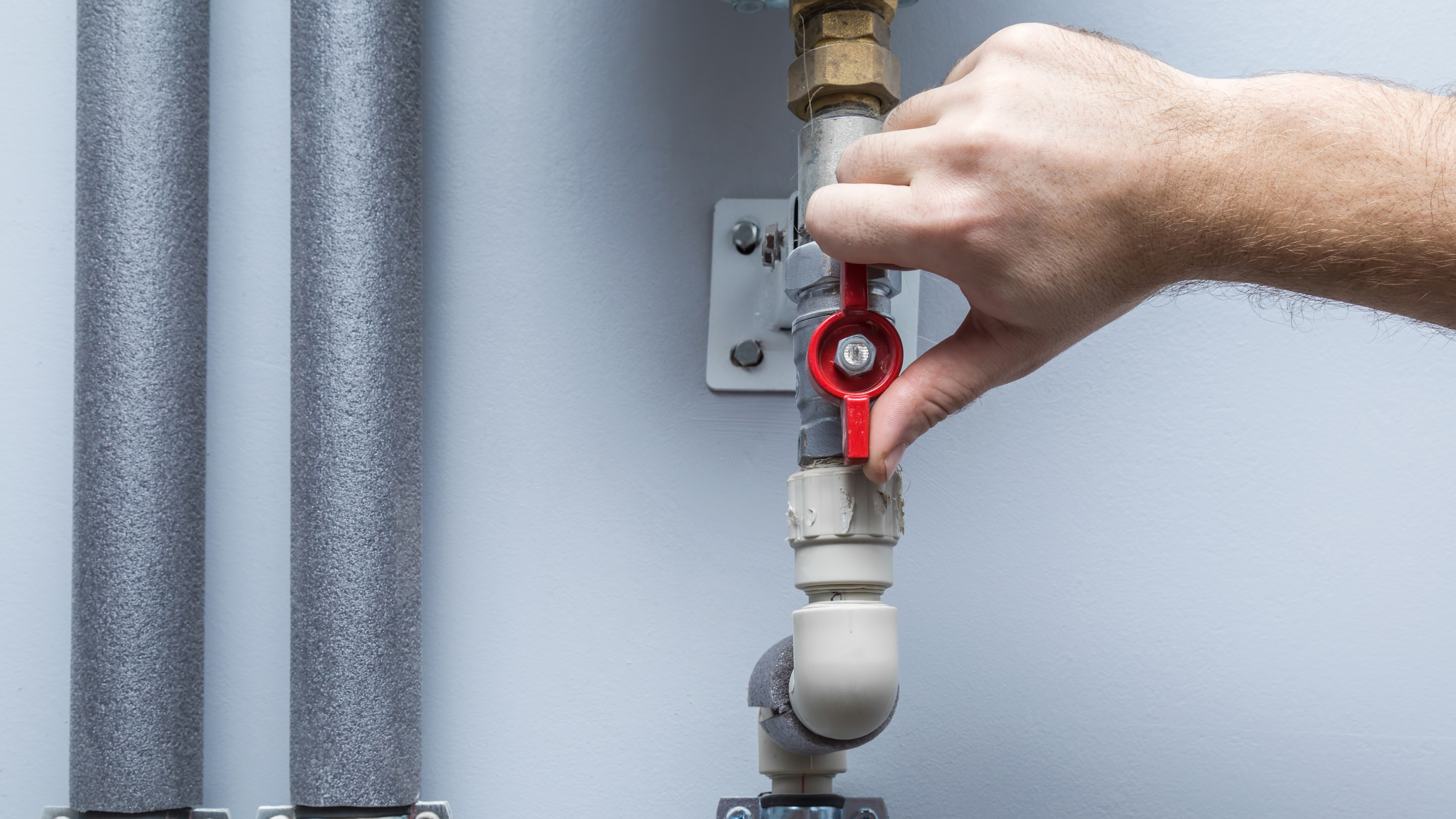
Let’s be real: many people walk past their stopcock every day and think it’s a weird pipe ornament. It’s usually a brass or chrome valve, with a red or blue handle. The handle might be a lever (quarter-turn) or a wheel (multi-turn).
If you see a lever that points sideways—congratulations, that’s your stopcock in the “open” position. If it’s perpendicular to the pipe, you’re halfway to shutting off the water. Don’t test it right now unless you’re ready to relight your pilot light.
A wheel-style stopcock looks like a tiny steering wheel. Turn it clockwise to close—think “righty-tighty.” But some are reverse-threaded, because why would home maintenance be easy?
Test it—before the real emergency
Once you think you’ve found it, test it gently. Turn the valve a quarter turn (for a lever) or a few clockwise twists (for a wheel). You should hear a slight change in water flow—or see a trickle stop at a nearby tap.
If nothing happens, you might have the wrong valve. Been there, cried there. Or the valve could be stuck from years of neglect. Give it a wiggle with some WD-40, but don’t force it—you don’t want a broken handle mid-crisis.
Remember: after testing, turn it back to the open position (lever parallel to pipe, wheel turned fully anticlockwise). Your morning shower depends on this step.
The secret spots nobody mentions
Sometimes stopcocks hide in the weirdest places. I’ve seen them behind false walls, under floorboards in hallways, or even in the ceiling of a basement. Check any place where the main water pipe enters your home’s foundation.
 How to find your stopcock | HomeServe
In older homes (like mine), the stopcock might be under the stairs—tucked behind a pile of shoes and a forgotten Christmas decoration. Yes, I found mine behind a half-inflated reindeer.
If your house has a crawl space, suit up and brave the dust. Just bring a torch and a friend to hold your phone—you don’t want to get stuck with only spiders and regret for company.
When all else fails, follow the pipe
Grab a flashlight and trace the main water pipe from where it enters your house. It usually comes in through the wall near the kitchen or bathroom, often at ground level. The stopcock is always the first valve on that pipe.
If you live in a multi-story house, check near the front or back stopcock—some houses have two: one inside and one outside. Knowing both is like having a backup umbrella in a monsoon.
Still can’t find it? Google your house style plus “stopcock location.” Yes, the internet knows your weird 1970s bungalow better than you do.
A final, friendly warning
Don’t wait for the next plumbing disaster to find your stopcock. Do it today. Spend five minutes, get on your hands and knees, and learn that valve’s hiding spot. Your future dry socks will thank you.
And if you still can’t find it? Call a plumber or your landlord. Nothing is more expensive than a flood you could have stopped with a simple twist. Now go—and may your water stay where it belongs.
