Why Is My Shower Water Brown

Ever stepped into the shower, ready for a peaceful morning rinse, only to be greeted by a stream that looks like weak iced tea? It’s startling, right? You might wonder if you’...

Ever stepped into the shower, ready for a peaceful morning rinse, only to be greeted by a stream that looks like weak iced tea? It’s startling, right? You might wonder if you’ve accidentally time-traveled to a vintage plumbing nightmare.
Before you panic, take a breath. Brown shower water is more common than you think, and it’s usually not a sign of toxic sludge invading your home. In fact, it’s often just a cool chemistry lesson happening inside your pipes.
So, what’s really going on? The culprit is almost always rust—tiny particles of iron or manganese breaking free from your water pipes. Think of it like a mineral tea, where the water is the hot water and the old pipes are the tea bag.
Must Read
That rusty color happens when oxygen mixes with iron in the water. It’s the same process that makes a forgotten nail turn orange in the rain. A big splash of iron just makes your shower look like a muddy river.
But why now? Why is your water suddenly brown when it was clear yesterday? Chances are, the local water company flushed the fire hydrants on your street. This stirs up sediment that usually sits quietly at the bottom of the main pipes.
Imagine shaking a snow globe, except the snow is iron flakes. That’s essentially what happens when pressure changes in the water system. Your shower becomes the final destination for that shaken-up sediment.
Another sneaky reason could be a hot water heater on its last legs. Over time, sediment builds up inside the tank like a layer of fine sand. When the heater kicks on, it can churn that muck into your warm water.
It’s almost poetic: your water heater is trying to give you a warm hug, but it’s delivering a muddy handshake instead. Don’t worry—it’s usually not dangerous, just gross and a little unsettling.
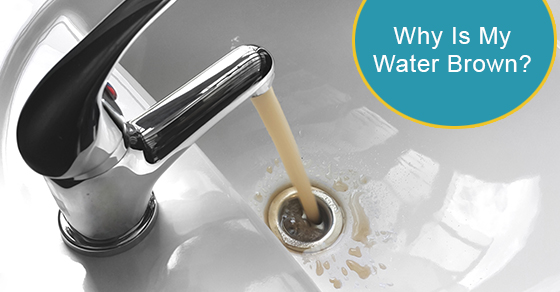 Why Is My Water Brown? | Drain King Plumbers
Is it safe to shower in? (The short answer: usually yes)
Here’s the chill part: brown water from rust is generally not a health hazard. Your body isn’t going to absorb iron through your skin like some kind of rusty sponge. It’s more of a laundry concern than a medical one.
Think of it like eating a rusty old key—you wouldn’t do it, but a little iron oxide in your bathwater won’t hurt you. Your biggest problem will be stained towels or a weird orange tint on your shower floor.
Of course, if the water smells like rotten eggs or comes with a black, oily film, that’s a different story. That might signal bacteria or a failing anode rod in your heater—time to call a plumber. But plain brown water? Probably just nature showing off its metal-collecting skills.
The interesting science behind it all
Here’s where it gets really fascinating: this rusty water is a time capsule. Every iron particle you see represents years of peaceful mineral buildup inside the municipal system. It’s like finding a fossil in your bathroom.
Water is a solvent, meaning it’s constantly trying to dissolve everything it touches. When it flows through old iron pipes, it’s essentially throwing a slow, chemical party with the pipe walls. The brown color is the party confetti.
 Why Is My Bath Water Brownish at Derek Alexander blog
Even more fun? Some well water systems are naturally full of iron. In those cases, the brown tint isn’t a mistake—it’s a feature of your local geology. You’re literally bathing in the ground’s ancient mineral history.
Compare it to coffee: black coffee is clear (sort of), but add a little iron and you get that deep, rusty brown. Your shower is just making a cup of earth-flavored water.
What can you actually do about it?
First, don’t panic and don’t call your landlord or plumber immediately. Run the cold water from the bathtub faucet for 5–10 minutes. This usually flushes the loose sediment out of your own pipes.
If the water clears up after a few minutes, it was likely just a temporary disturbance. You can go back to your relaxing shower, but maybe wait until the water runs clear before soaping up. No one wants to become a rust monster.
If the brown water persists for days, then it might be time for a whole-home water filter or a new water heater. But more often than not, it’s a one-day wonder—like a weird weather event, but for your plumbing.
So next time you see brown shower water, don’t freak out. Take a second to appreciate the journey: that iron might have been sitting undisturbed for years, just waiting for your shower to tell its story. It’s rusty, it’s interesting, and it’s probably nothing to worry about.
