Why Is Fluoride Bad In Water

Let’s talk about that glass of tap water you just poured. It probably contains fluoride, a mineral added for decades to prevent cavities. But here’s the kicker: a growing chor...
Let’s talk about that glass of tap water you just poured. It probably contains fluoride, a mineral added for decades to prevent cavities. But here’s the kicker: a growing chorus of scientists, dentists, and wellness gurus are now asking why we’re still putting it in our drinking water. It’s a bit like finding out your favorite sneakers have a hidden flaw—comfy, but maybe not so great for your knees.
The Unfiltered Truth About Fluoride
First, a quick history lesson. In the 1940s, communities began adding fluoride to public water after studies showed it reduced tooth decay. It seemed like a miracle: a cheap, invisible way to protect everyone’s smile. But that was before we learned that swallowing fluoride is very different from just spitting it out after brushing.
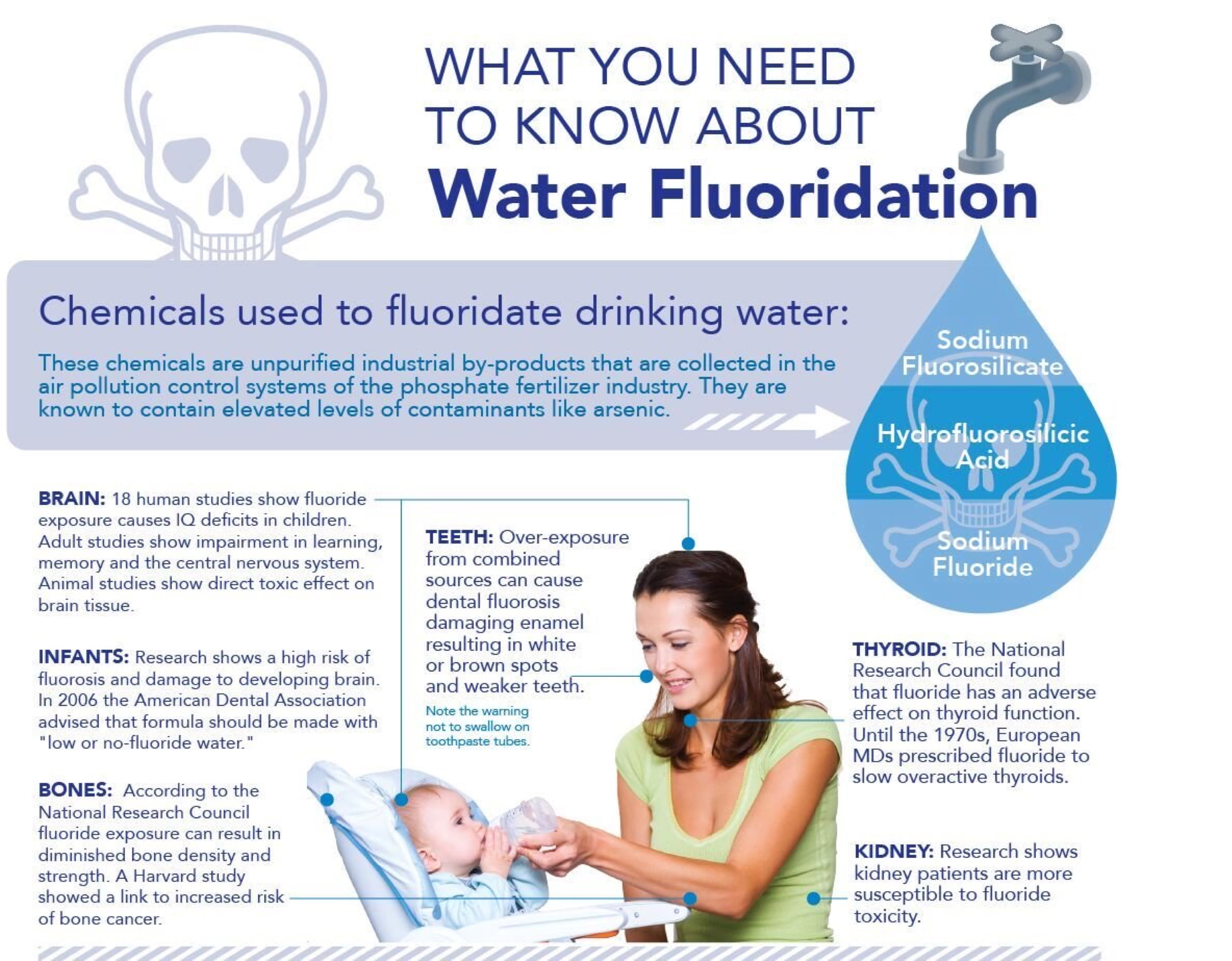
Here’s the science bit—don’t zone out, it’s quick. When you ingest fluoride, it becomes systemic, meaning it travels through your body and accumulates in bones and the pineal gland. The Environmental Protection Agency itself admits that excess fluoride can cause skeletal fluorosis, a condition that makes bones brittle and joints stiff. Not exactly the glow-up you were hoping for from your tap.
Must Read
Fun fact: The World Health Organization estimates that over 200 million people globally drink water with naturally high fluoride levels. In some parts of India and China, skeletal fluorosis is a genuine public health crisis. It’s less common in the U.S., but that’s because we add it ourselves—which makes the debate even more interesting.
The Real Culprit: Overexposure
Think about it: you brush with fluoridated toothpaste, rinse with mouthwash, maybe eat processed foods made with fluoridated water, and then drink fluoridated tap water. That’s a lot of exposure. Studies, including one from Harvard, have linked high fluoride levels to lower IQ scores in children. The National Toxicology Program is currently reviewing this data. It’s enough to make you pause mid-sip.
And don’t think adults are immune. Over time, fluoride can mess with your thyroid function, mimic hormone disruptors, and even contribute to acne-like skin issues (yes, some dermatologists link it to breakouts). Your morning coffee might taste fine, but your body is quietly dealing with a chemical that was never meant to be swallowed in large doses.
What the Culture Isn’t Telling You
Pop culture loves a good conspiracy theory. Remember when Tom Cruise talked about “toxins” in water? He wasn’t entirely wrong, just a bit dramatic. On The Joe Rogan Experience, dentists and scientists regularly debate fluoridation, often concluding it’s outdated. Even Portland, Oregon and Wichita, Kansas have voted against adding fluoride to their water. That’s not a fringe movement—it’s a city council decision.
 Fluoridation
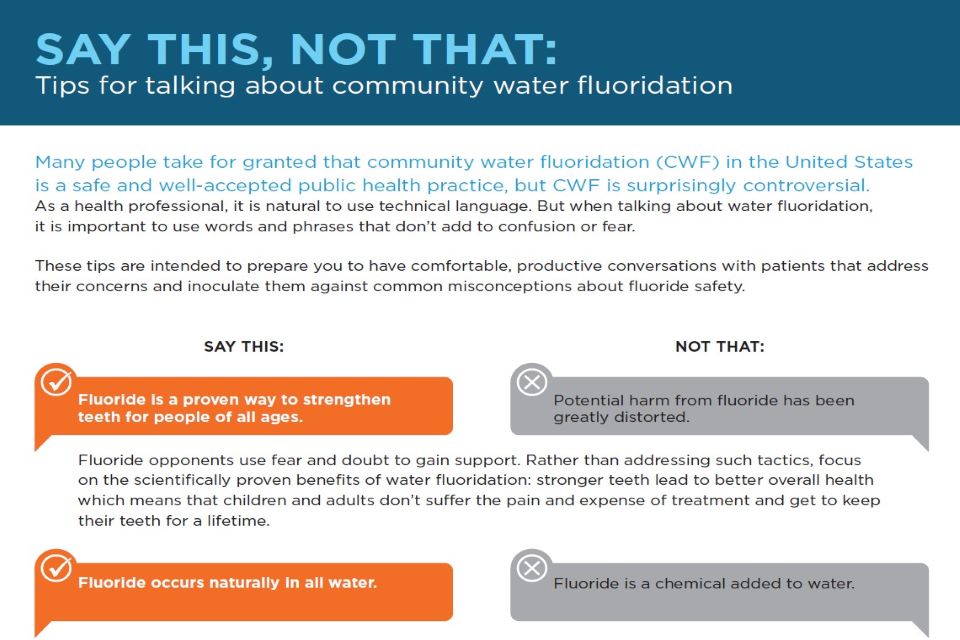
The American Dental Association still firmly supports water fluoridation, calling it “one of the 10 great public health achievements of the 20th century.” But here’s the elephant in the room: tooth decay has dramatically declined since the 1970s, largely due to better toothpaste, dental sealants, and awareness. We’re essentially using a 1940s solution for a problem that has already been solved by modern hygiene.
Practical Tips for the Modern Sipper
So, what do you do? You don’t have to move to a mountain spring and drink from a gourd. Start small. Install a reverse osmosis filter under your sink—it removes up to 95% of fluoride. Berkey and Aquasana are solid brands that have passed lab tests. Brita and Pur filters? They don’t touch fluoride. Check the fine print.
Another hack: drink spring water in glass bottles. Brands like Mountain Valley or Evian are low in fluoride. For cooking, use distilled water (it’s cheap and reliable). And for brushing, don’t swallow the toothpaste—a classic parental warning that is actually vital. Teach kids to spit, not rinse.
Fun little fact: Some organic toothpaste brands, like Boka or Risewell, use nano-hydroxyapatite instead of fluoride. It’s a mineral that naturally rebuilds enamel without the risks. It’s the same stuff your teeth are made of. Fancy, right?
 Fluoride: Good or Bad? - AlkaViva LLC
The Central Debate: Is It Worth It?
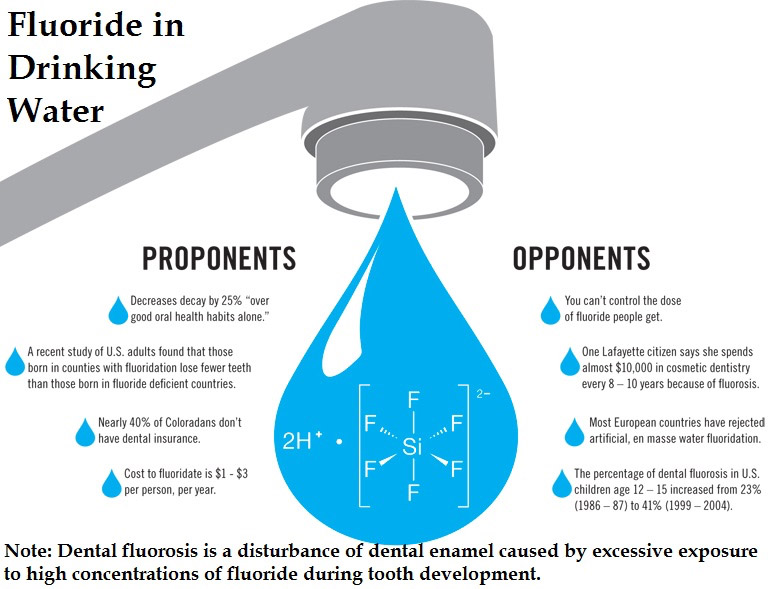
Let’s be honest: fluoride works topically. When you brush, it strengthens enamel directly. But ingesting fluoride for cavity prevention is like drinking sunscreen to avoid sunburn—ineffective and unnecessary. The Cochrane Review, a gold-standard scientific group, found that fluoridated water reduces cavities by only about 25%. That’s not nothing, but you can achieve similar results with a simple fluoride-free toothpaste and a healthy diet.
Culturally, we’re shifting. The wellness movement has normalized checking labels for preservatives and pesticides. Why not check your water, too? You wouldn’t drink soda with artificial colors daily, so why swallow a mineral that accumulates in your bones? It’s a matter of informed choice, not panic.
Reflections for Your Daily Life
When you fill your stainless steel water bottle tomorrow morning, think about this: you are the guardian of your own biology. The choice to filter fluoride isn’t about fear—it’s about curiosity. It’s asking, “Does this serve me, or am I just following a habit from 1945?”
Picture your daily routine: morning brew, lunch tap, evening tea. Each sip is a vote for the kind of environment you create inside your body. Maybe you feel fine now, but prevention is the ultimate luxury. A small filter today could mean stronger bones and a sharper mind tomorrow.
So go ahead, pour yourself a glass of filtered water. Raise it to your lips, smile, and taste the difference. Your body will thank you—not with a cavity-free report, but with a whisper of clarity and a quiet sigh of relief. That’s the kind of lifestyle upgrade that doesn’t need a hashtag.
