Why Is Tap Water Bad For You

Let’s be real for a second: you’ve probably heard someone say, “Tap water is bad for you,” and thought, Great, now I have to worry about my kitchen faucet, too? But stick with...
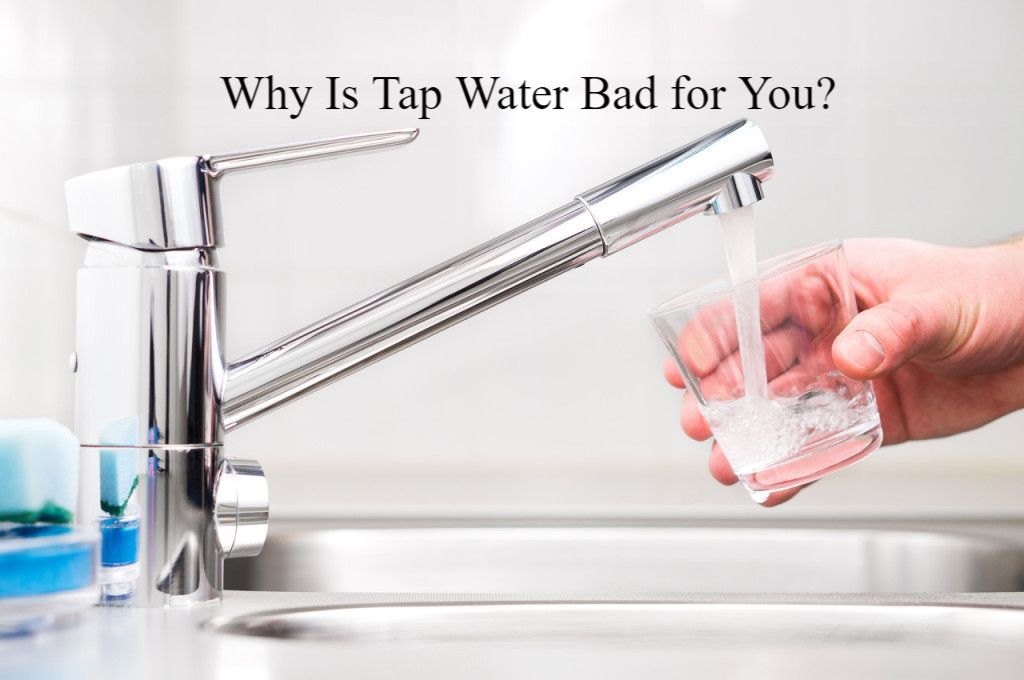
Let’s be real for a second: you’ve probably heard someone say, “Tap water is bad for you,” and thought, Great, now I have to worry about my kitchen faucet, too? But stick with me. This isn’t a doom-and-gloom lecture; it’s a fun little detective story that ends with you feeling like a superhero for your own health.
What’s Actually Hiding in That Glass?
First, let’s get one thing straight: tap water in most developed countries is safe in an emergency. You’re not going to keel over after one sip. The “bad” part is more about the long game.
Think of your tap water like a cocktail of leftovers. Municipal treatment plants add chlorine and chloramine to kill bacteria. Great for safety, but not so great for your gut’s friendly bacteria—your microbiome basically throws a tiny protest every time you drink it.
Must Read
And then there are the disinfection byproducts (DBPs). Fancy name, right? When chlorine meets organic matter in the water, it forms compounds like trihalomethanes. Studies have linked these to increased cancer risk. No big dramatic alarm, but a quiet “hmm, maybe let’s skip this daily.”
The Mineral Mystery
Have you ever noticed white flakes on your showerhead or a metallic taste in your morning tea? That’s hard water—full of calcium and magnesium. “But minerals are good for you!” you say. True, but the form in tap water isn’t as easy for your body to absorb.
Instead of nourishing your bones, these hard minerals can bind to other nutrients in your gut, making it harder for you to absorb iron or zinc. It’s like inviting a charming guest to a party who then steals all the snacks.
Oh, and that rusty taste? That’s often lead or copper leaching from old pipes. Not the kind of “metal” you want in your playlist.
 Why Is Tap Water Bad?
But Wait—This Gets Fun, I Promise!
Here’s the lighthearted twist: realizing why tap water isn’t perfect is actually empowering. It’s not about fear; it’s about being a curious human who upgrades their daily habits.
Once you know that chlorine oxidizes healthy fats in your cells (you know, the ones that make your skin glow), you can do something about it. And that something is cooler than you think: filtration.
You don’t need a science lab in your kitchen. A simple activated carbon filter (like a pitcher or faucet attachment) removes chlorine, lead, and DBPs. It’s like giving your water a spa day. Suddenly, your tea tastes cleaner, your skin feels less dry, and your plumbing lasts longer.
The “You” Upgrade
Think of it this way: you’re already a person who brushes their teeth and wears sunscreen. Optimizing your water is just the next level of self-care. It’s not about being fancy; it’s about being smart.
:max_bytes(150000):strip_icc()/TheSpruce_WhatisHardWater_colorv1-71c4c7ba876646638980256db096a84e.png) Why is tap water bad for you online
Why is tap water bad for you online
Your body is roughly 60% water. If you’re putting even low levels of “meh” stuff in there every single day, it adds up. A filter doesn’t just change your water—it changes your energy, your digestion, and your vibe.
Plus, it’s a fun little science experiment. Test your tap water’s pH or TDS (total dissolved solids). Watch the filter cartridge turn brown and be amazed that you used to drink that stuff. Gross but fascinating!
The Uplifting Bottom Line
Here’s the beautiful part: this isn’t about trashing tap water. It’s about celebrating the fact that you have a choice. You don’t have to chug expensive, plastic-bottled water (which is often just tap water anyway, and terrible for the planet).
You can simply elevate what’s already there. A $20 filter turns your tap into a source of pure, clean hydration that makes your body sing. No drama, no luxury cult—just a little upgrade that makes life tastier.
So go ahead: fill a glass, sniff it, and think, “I know what you are now, and I’m taking charge.” That’s not paranoia—that’s personal power. And the best part? The more you learn about something as simple as water, the more curious you get about everything else. Your health journey just became an adventure. Cheers to that!
