Does Antifreeze Have A Taste

So, here’s a question you probably never thought you’d ask: does antifreeze have a taste? And before you get any ideas, please don’t go testing this out in your garage. I’m as...
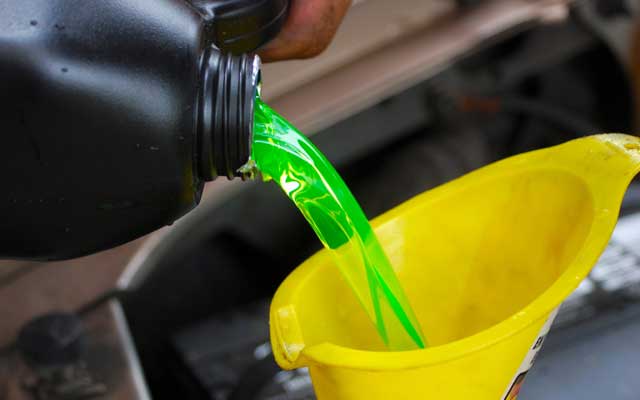
So, here’s a question you probably never thought you’d ask: does antifreeze have a taste? And before you get any ideas, please don’t go testing this out in your garage. I’m asking purely out of curiosity, the same way you might wonder what a battery smells like. It’s one of those weird, hidden facts about everyday stuff.
The Short, Scary Answer
The honest truth is that antifreeze does have a taste, and it’s surprisingly sweet. This is not a fun "candy-in-a-bottle" situation, though. It’s a dangerous trick played by chemistry.
Ethylene glycol, the main ingredient in most traditional antifreeze, has a natural sweetness that fools our brains. Animals, and unfortunately small children, are sometimes drawn to it because of that sugary smell and taste. That’s why it’s a major safety concern for pet owners and parents.
Must Read
Why Is It Sweet?
Let’s get a little sciency, but keep it chill. The sweetness comes from the molecular structure of ethylene glycol itself. It’s chemically related to sugars in a way that our taste buds go, "Hey, that’s yummy!"
Think of it like this: you know how some artificial sweeteners taste weird, but others are dead-on sugar? Ethylene glycol accidentally hits the "sweet spot" in your mouth’s receptors. It’s a chemical coincidence that has deadly consequences.
A Bitter (But Clever) Solution
Because that sweet taste is so dangerous, manufacturers now add a bittering agent to most consumer antifreeze. This is a crazy twist: they actually ruin the taste on purpose. The most common bitterant is called denatonium benzoate—the same stuff that makes nail-biting polish taste horrible.
It is, without a doubt, the most bitter substance known to science. A tiny amount can make a whole gallon of antifreeze taste like a regret sandwich. One lick, and your brain screams "SPIT THAT OUT NOW!" It’s a lifesaver in liquid form.
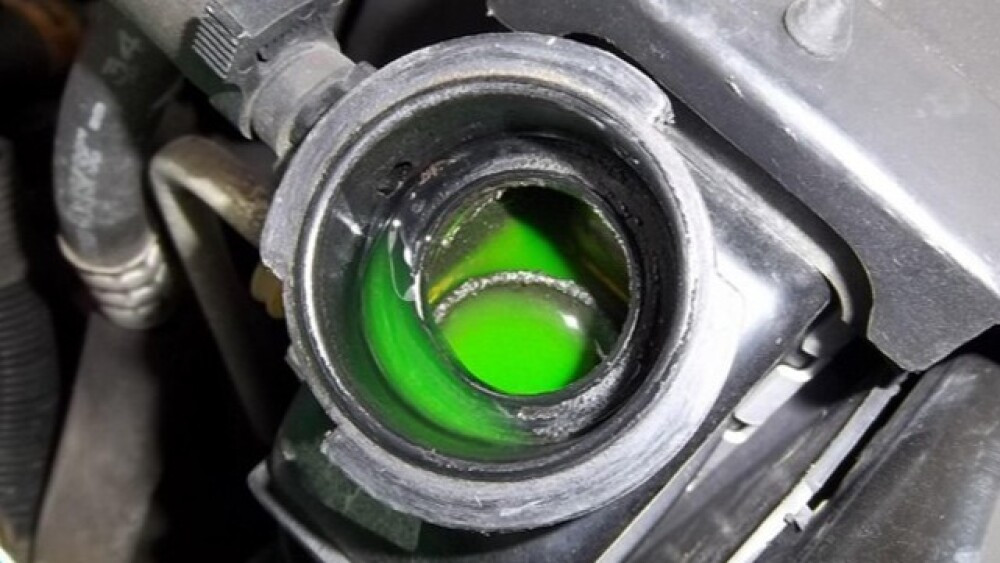 Antifreeze Explained: What Does it Do and Why is it Needed?
So, if you bought a fresh bottle from the auto shop today, it likely tastes more like poison than candy. That’s a good thing, right? Well, it's a weird good thing.
What About the "RV Kind"?
Ah, good question! You’ve probably seen pink or blue antifreeze meant for RVs and boats. That’s often made with propylene glycol, not ethylene glycol. Propylene glycol is way less toxic—it’s actually used as a food additive and in some cosmetics.
Does it taste sweet, too? Yeah, it does. But think of it as a "safe-ish" sweetness, like the sugar-free syrup in your coffee. It’s not great for you in large doses, but it won’t send you to the hospital after a tiny spill. Still, don’t chug it. Please.
Let’s Compare It to Other Weird Tastes
Ever accidentally licked a 9-volt battery? That's not a taste; that's a metal scream. Antifreeze, by contrast, is a quiet, deceptive liar. It’s sweet then deadly, like a siren in a bottle.
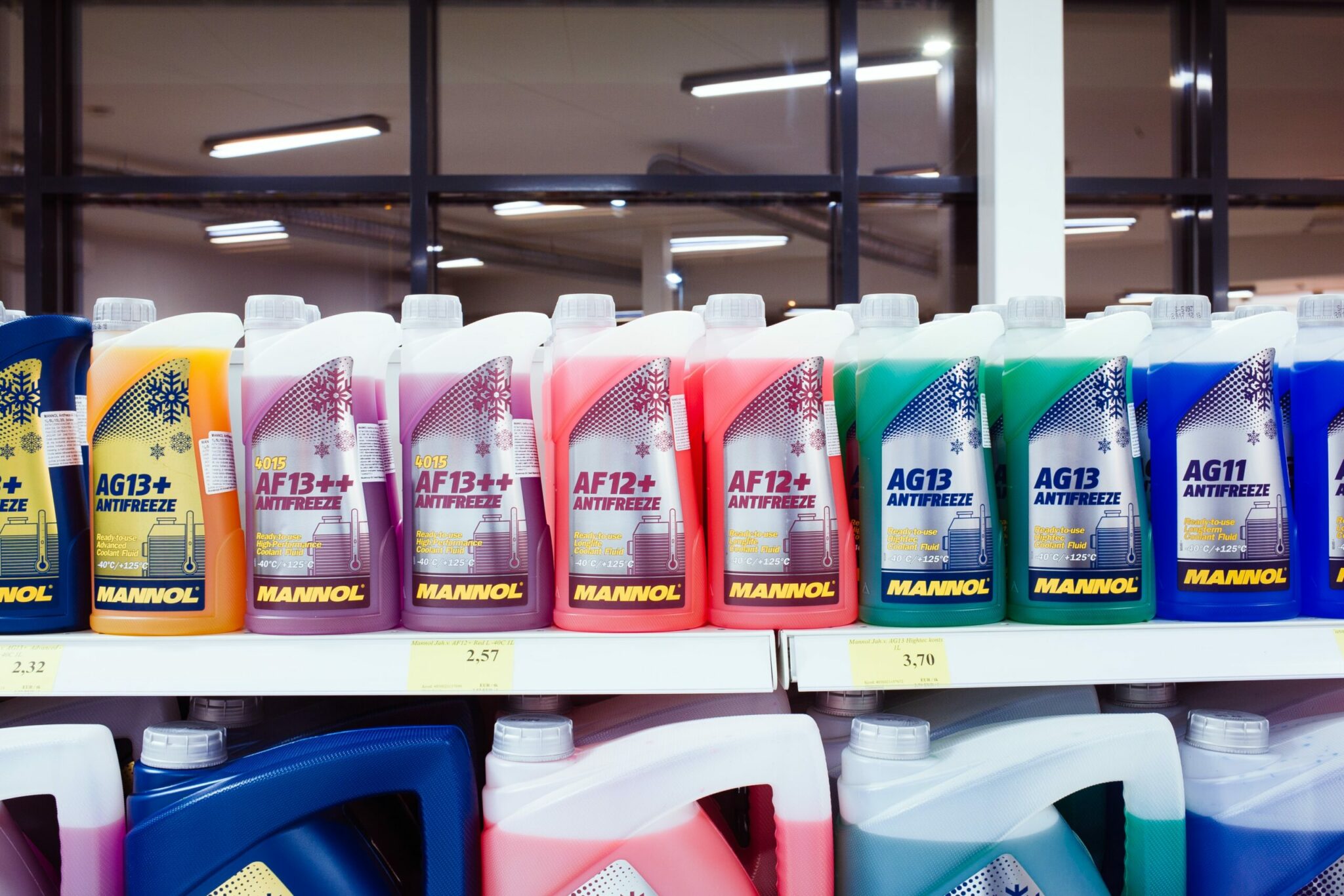 What Does Antifreeze Taste Like?
Or think about how coffee tastes bitter, but we love it. Antifreeze with bitterant is like coffee’s evil twin—horrible on purpose to keep you alive. It’s the universe’s way of saying, "Look, you don't need to know this flavor."
Why Should You Care?
Look, you’re probably never going to sip antifreeze for fun. But knowing that it can taste sweet explains a lot about how our world works. It’s a reminder that "natural" isn't always safe. Honey is natural. So is hemlock. Taste doesn't equal safety.
Also, it’s just cool to know that engineers had to battle chemistry with chemistry. They said, "Hey, this stuff kills dogs and kids because it tastes like soda. Let’s make it taste like regret." And they won. That’s a weird victory, but a victory nonetheless.
Final Sip of Insight
So, does antifreeze have a taste? Yes. It started out sweet like a deadly lie, but now it’s bitter like a protective uncle. If you ever find yourself smelling a bottle and wondering, just remember: curiosity is great, but your tongue has better things to do.
Stick to tasting your ice cream, not your car fluids. Your taste buds will thank you, and so will your local poison control center. Now, go pet your dog and make sure the garage floor is clean. You’re welcome.
