Does Bottled Water Have Pfas

Let’s talk about water. Specifically, the fancy stuff in plastic bottles. You know, the kind that costs more per gallon than gasoline. We’re diving into a seriously weird ques...

Let’s talk about water. Specifically, the fancy stuff in plastic bottles. You know, the kind that costs more per gallon than gasoline. We’re diving into a seriously weird question: does bottled water have PFAS?
PFAS. It sounds like a secret government agency, right? It’s actually short for “forever chemicals.” They’re man-made molecules that refuse to break down in nature. They’re also hiding in your non-stick pan, your raincoat, and—maybe—your fancy water.
The Sneaky Invaders
PFAS are everywhere. They’re the glitter of the industrial world: impossible to fully clean up. Scientists find them in the blood of polar bears and in the rain over Tibet.
Must Read
So, are they in your bottled water? The short answer is: probably, but in teeny, tiny amounts. Think of it like a single grain of sand on a beach.
A 2020 study tested 101 bottled water brands. They found PFAS in 39 of them. That’s almost four out of ten bottles. Cue dramatic music.
Not All Bottles Are Created Equal
Here’s the fun twist. The source of the water matters big time. Purified water (often labeled as “drinking water”) usually has more PFAS. Spring water? It tends to be cleaner.
Why? Because purified water often comes from municipal taps. That’s the same water you flush your toilet with, just fancier. It’s then treated again, but PFAS are stubborn little gremlins.
Spring water bubbles up from underground aquifers. These are natural filters, protected from the chemical storm above. But even then, it’s no guarantee. Nothing is 100% PFAS-free anymore.
The Quirky Science of Forever
Let’s get geeky for a second. PFAS molecules are a chain of carbon and fluorine. It’s one of the strongest chemical bonds in the universe. Fire doesn’t break it. Sunlight doesn’t break it. Your liver simply stores it.
That’s why they’re called “forever chemicals.” They’re like the cockroaches of the molecular world. They’ll outlast your grandkids’ grandkids. Thanks, 1950s chemistry.
 PFAS Explained
Here’s a funny detail: you’ve probably already eaten PFAS today. They’re used in fast-food wrappers to stop grease from soaking through. Your burger’s paper bag is a delicious PFAS delivery system.
The “Safe” Limits Game
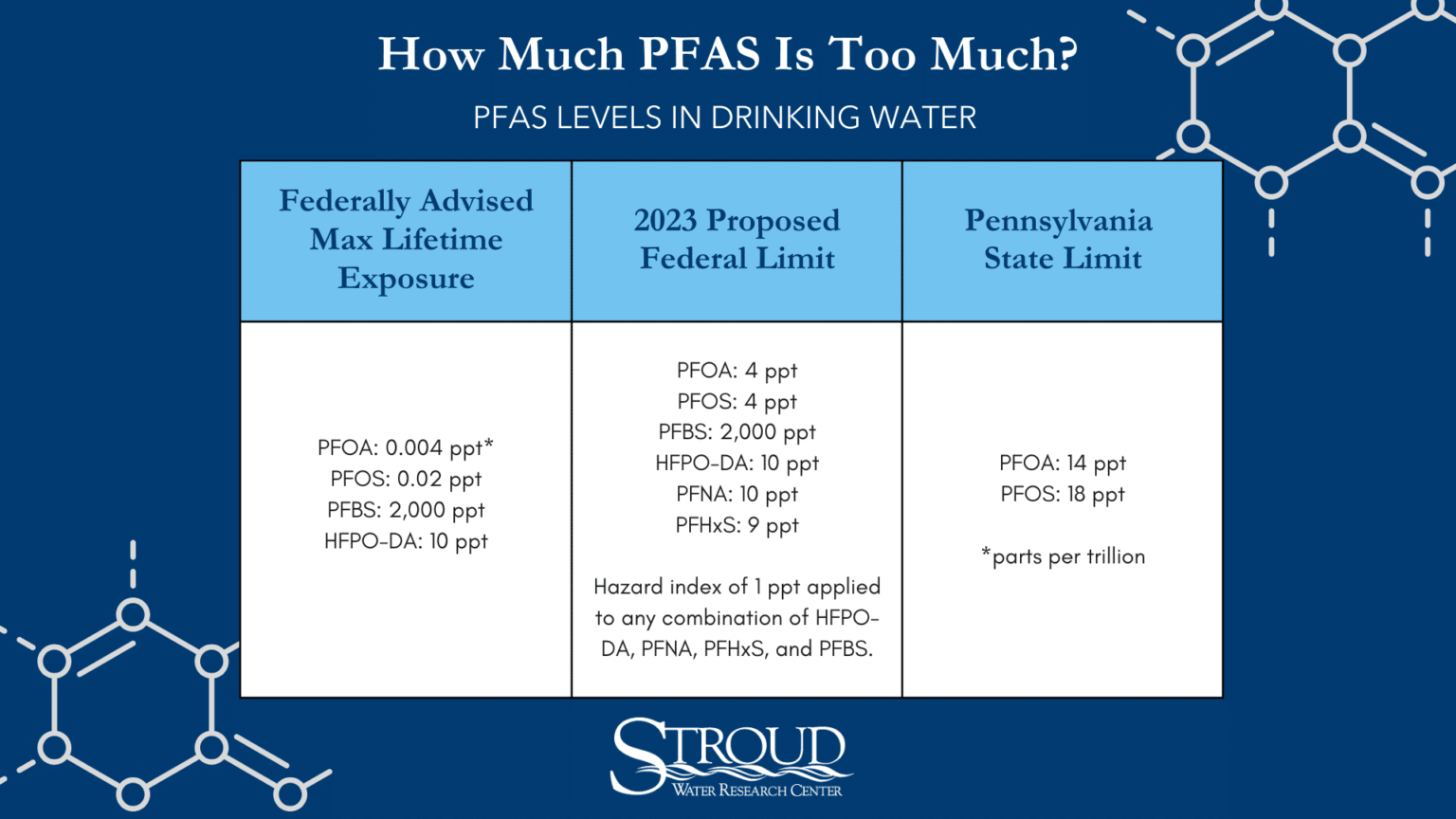
Regulators argue over safe limits. The EPA suggests no more than 4 parts per trillion for two specific PFAS. That’s like four drops of water in an Olympic-sized swimming pool.
But many bottled water brands tested below that limit. Phew, right? Well, not so fast. There are thousands of different PFAS chemicals. Tests only look for a few dozen. It’s like checking for sharks by only looking at the inflatable ones.
One brand, “Appalachian Spring Water,” once tested at 22 parts per trillion. That’s above the EPA’s recommended limit. Oof. But the company fixed it. Most are lowering their levels voluntarily. It’s a quiet, boring revolution.
The Fridge vs. The Faucet
So, what’s a thirsty human to do? You could switch to tap water. Tap water is tested more frequently than bottled water. Your city must publish annual water quality reports.
But tap water has PFAS too. It’s just a different flavor. Actually, the best solution is a home filter. A carbon filter with activated carbon catches PFAS. A reverse osmosis system is even better.
But those are expensive. Most people just buy bottles. And bottles are fine for casual hydration. The risk is still incredibly low. You’re more likely to get hit by a falling vending machine.
 What Bottled Water Brands Have Pfas at Mackenzie Boreham blog
The Plastic Problem
Here’s the ironic part. The plastic bottle itself can be a source. Some bottles leach chemicals into the water over time. Especially if left in a hot car. Your water becomes a chemical soup.
And those chemicals? They might be BPA or phthalates. They’re not PFAS, but they’re not great. The bottle problem is like a Russian nesting doll of worry.
Fun fact: 1 million plastic bottles are bought every minute globally. Most end up in oceans or landfills. They’ll be there longer than your PFAS will. Way to go, humanity.
The Final Sip
Does bottled water have PFAS? Yes, sometimes. But it’s usually at levels that won’t freak you out. Think of it like air pollution in a big city. You breathe it, but you probably won’t notice.
The smart move? Don’t panic. Drink water. If you’re really worried, choose spring water over purified. Or get a good home filter.
Or just laugh about it. We’re all swimming in a soup of forever chemicals. At least the water tastes crisp. And hey, if the apocalypse comes, we’ll have perfectly preserved water for centuries.
Cheers to that. Glug, glug, glug.
