What Does Stopcock Look Like

Let’s talk about the stopcock. Yes, that weird little valve hiding behind your sink or lurking under the street. You’ve probably seen one and thought, “What in the plumbing he...
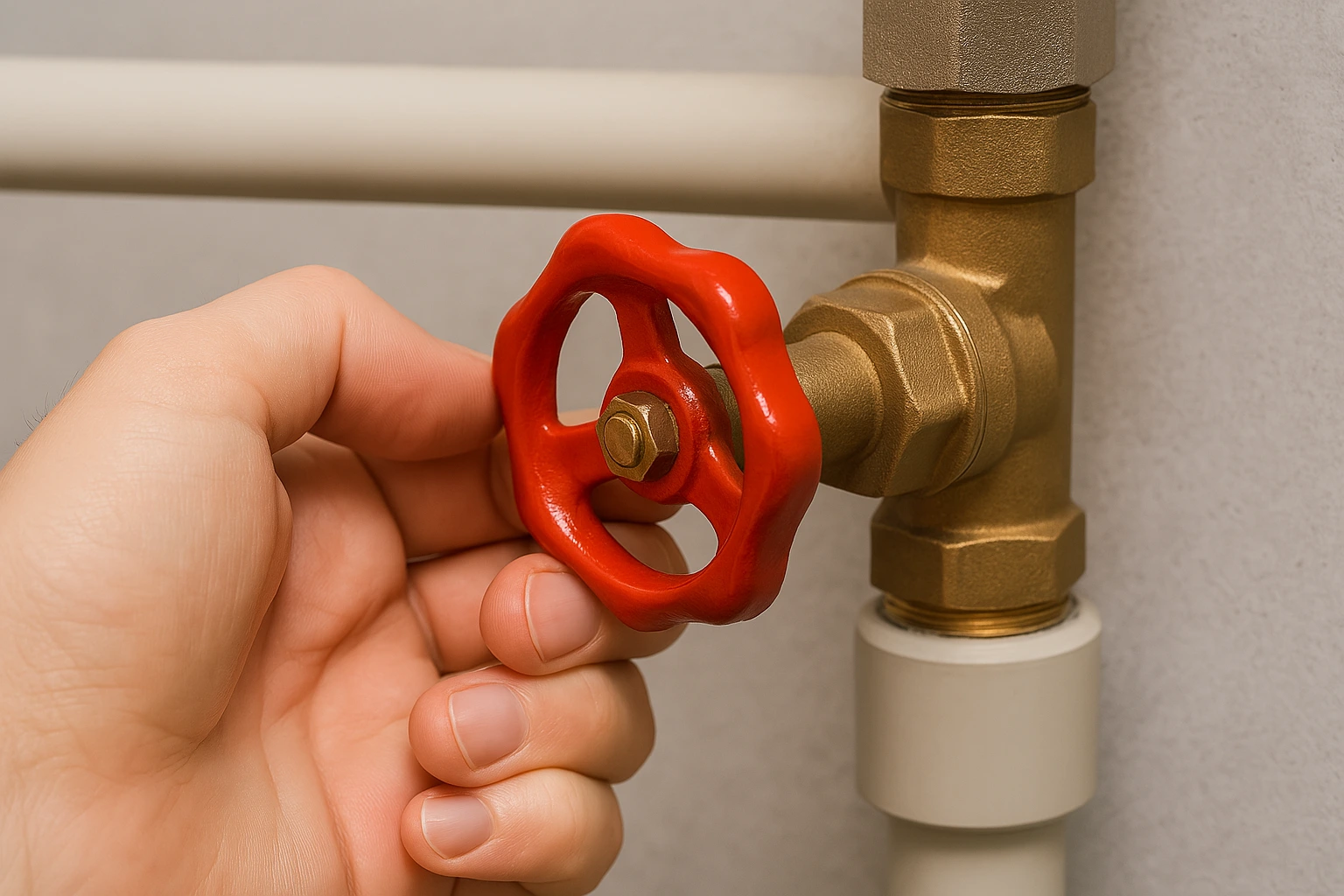
Let’s talk about the stopcock. Yes, that weird little valve hiding behind your sink or lurking under the street. You’ve probably seen one and thought, “What in the plumbing hell is that?” It’s the unsung hero of your home’s water system, the bouncer at the door of your pipes. And honestly, it looks like a metal alien hand giving you a thumbs-down.
The Anatomy of a Stopcock (It’s Weirder Than You Think)
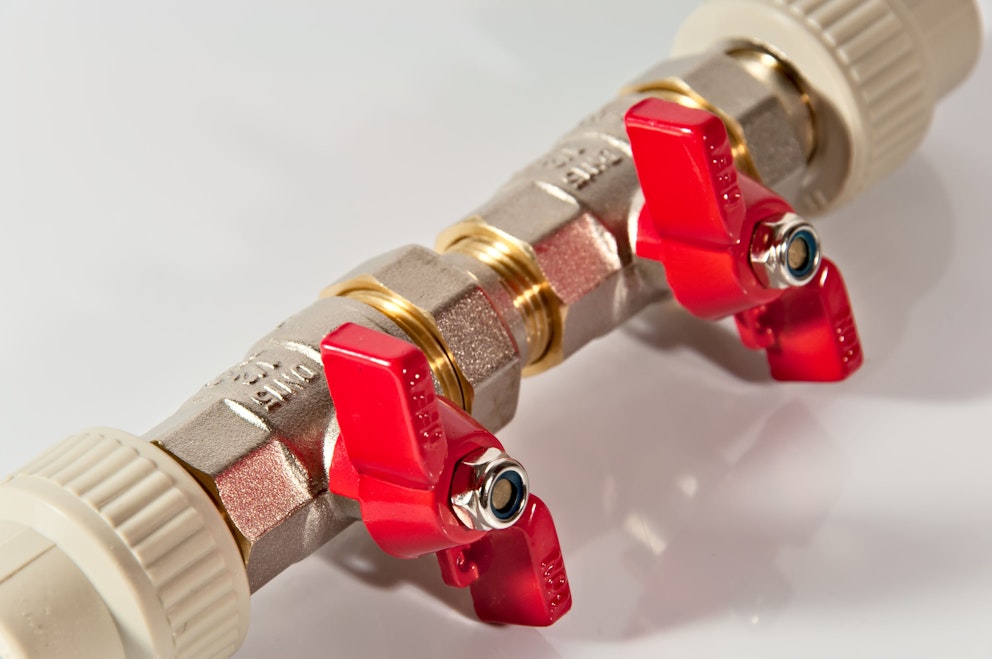
Imagine a small, cylindrical knob attached to a pipe, usually made of brass, chrome, or cheap plastic that’s already cracking. It’s got a quarter-turn handle—like a tiny lever you can snap off if you’re too aggressive. Some look like a red or blue plastic butterfly with wings, ready to fly away. Others are just a simple, round tap you’d find on a garden hose, but angrier.
Here’s the kicker: the stopcock doesn’t care about your aesthetic. It’s hidden behind the washing machine, under the kitchen cabinet, or—my personal favorite—buried under 50 years of dust bunnies and a dead spider. When you finally find it, it’ll be covered in lime scale, like it’s been crying mineral tears for decades.
Must Read
The Great Stopcock Identity Crisis
You’d think a stopcock would be obvious, but no. Plumbers love to play hide-and-seek. Sometimes it’s a lever that points sideways (on means parallel to the pipe, off means perpendicular—remember that or flood your basement). Other times it’s a round handle you have to pull up like you’re starting a lawnmower. And if you live in an old house? Good luck. That thing is probably a rusty spigot from 1923 that turns like it’s made of teeth.
Fun fact: some stopcocks are invisible. No, really—in the UK, they’re often buried outside under a metal cover in your front yard. You have to lift a manhole cover and stick your arm into a dark, damp hole to find it. That’s not plumbing; that’s an adventure game with higher stakes (namely, wet socks).
Why Do They Look So Weird? (It’s Not to Humiliate You)
The design is purely functional, which is plumber-speak for “ugly on purpose.” The quarter-turn lever lets you shut off water fast—like a superhero’s panic button for your toilet. The little arrow engraved on some handles? That’s not a clue for a treasure hunt. It shows which way the water flows, so you can pretend you know what you’re doing when the sink erupts.
Surprising fact: a stopcock’s internal ball valve looks like a metal marble with a hole drilled through it. When you turn the handle, the hole rotates to block or allow water. It’s basically a magic trick for liquids, but instead of a rabbit, you get the satisfaction of not drowning your kitchen.
 How to find your stopcock
The Stopcock Hall of Shame (Common Shapes You’ll Recognize)
Let’s run through the rogue’s gallery. Type 1: The Garden Hose Reject – a plain brass knob that looks like it’s from a 1970s sprinkler. Type 2: The Lego Tooth – a tiny plastic tab that snaps off the moment you touch it. Type 3: The Cross Handle – four little arms you can grip, perfect for getting your knuckles stuck. The absolute worst is the Mystery Pipe – a stopcock that’s so old it’s become part of the wall, painted over 14 times, and now looks like a blob of beige Play-Doh.
I once saw a stopcock that was literally a red button you had to push. Not turn, push. Like it was a doorbell for a water demon. Don’t push it unless you want your bathtub to burp.
How to Spot a Stopcock in the Wild
Look under your sink. See that small, sad lever attached to a pipe near the wall? That’s it. If it’s round and has a plus or minus symbol, it’s a stopcock—though those symbols are a cruel joke because neither direction feels right. Turn it one way, nothing happens. Turn it the other way, and suddenly you’re explaining to your spouse why the garden hose is screeching.
Pro tip: Never force a stopcock. They get cranky with age. A gentle twist is like flirting with a grumpy cat. Too aggressive, and you’ll break the handle, then you’ll have to use pliers and a prayer. I’ve seen grown adults weep over a seized stopcock—true story, and I was the grown adult.
 What Does a Stopcock Look Like? | Leak Detection Guide
The Surprising Truth: Stopcocks Are Everywhere (And Some Are Famous)
Did you know the stopcock is the reason your toilet doesn’t explode every time you flush? It’s true. It’s also why you can stop the entire water supply to your house with one tiny twist. That’s more power than most superheroes have. In the UK, the water company owns the stopcock outside your property line, and touching it is technically illegal. So, you’re basically defying the crown every time you turn your water off. Rebel.
Fun fact: The world’s largest stopcock is in Kingsport, Tennessee, at a water treatment plant. It’s 4 feet tall and looks like a main character from a steampunk movie. Meanwhile, the smallest stopcock is used in laboratory chemistry—it’s smaller than your pinky finger and controls deadly acids. So, never say stopcocks aren’t dramatic.
In Summary: Embrace the Goof
So, what does a stopcock look like? It looks like a forgotten plastic toy that’s also a life-saving device. It’s awkward, ugly, and always hidden. But respect it. That weird little lever is the only thing standing between you and a flooded living room. Next time you see one, give it a nod. Maybe even a gentle polish. Just don’t stare too long—it might make you paranoid about your pipes.
And if you ever have to use one in an emergency, remember: twist slow, swear loud, and always buy a backup handle. Your future dry socks will thank you.
