How Does A Private Well Work

Have you ever turned on your faucet and wondered where that magical stream of clear water actually comes from? If you’re on a private well, the answer is way cooler than a mun...
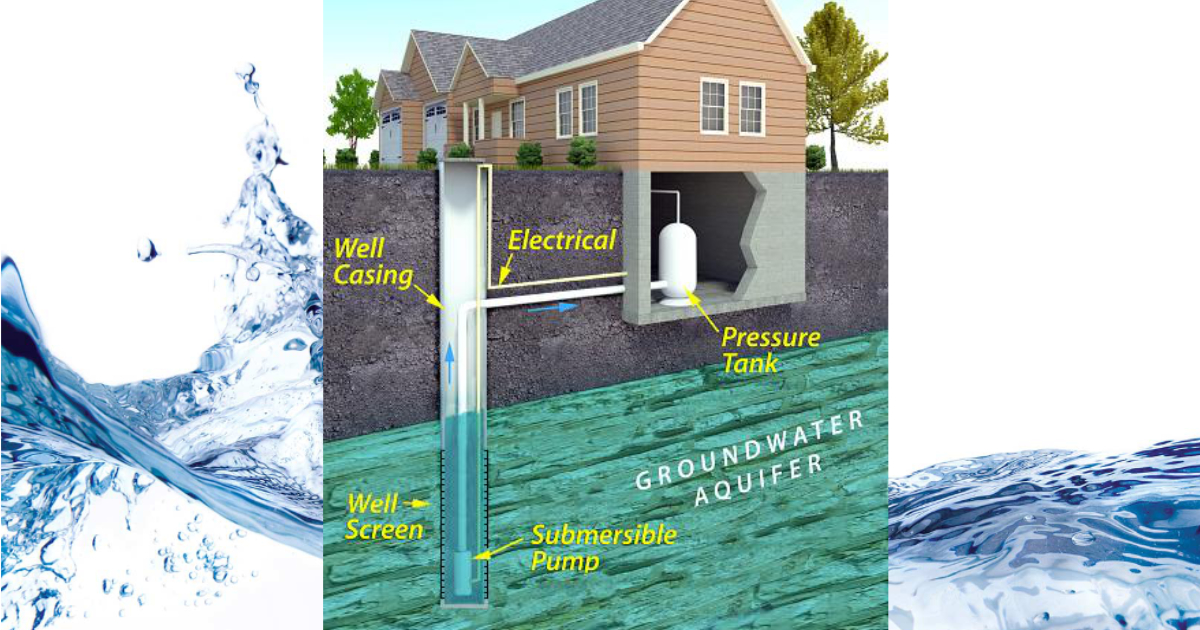
Have you ever turned on your faucet and wondered where that magical stream of clear water actually comes from? If you’re on a private well, the answer is way cooler than a municipal pipe: your water is a secret guest from deep underground. Let’s dive into the surprisingly fun world of private wells—no geology degree required, just a healthy dose of curiosity!
The Big Picture: It’s All About Groundwater
Think of the ground beneath your feet as a giant, natural sponge. Rain and snowmelt slowly trickle through soil and rock, filling up cracks and spaces in what’s called an aquifer—nature’s own underground reservoir. A private well is basically a straw that reaches down into this hidden lake to bring fresh water up to your house.
But it’s not just any straw; it’s a carefully engineered tube that keeps your water clean and delicious. And the best part? You’re the boss of your own supply—no water bills, no city restrictions, just pure, private H2O on demand. Pretty empowering, right?
Must Read
The Star Players: What Makes a Well Work
Your well system has a few heroes doing the heavy lifting. First, there’s the well casing—a steel or plastic pipe that lines the hole and stops dirt and surface yuck from sneaking in. This casing goes deep, usually 50 to 300 feet, below the water table to ensure a steady harvest.
Then comes the pump, the real muscle of the operation. It sits at the bottom of the casing and uses electricity to push water up through a pipe to your house. Most modern wells use a submersible pump—it’s like a silent, underwater robot that works 24/7 so you never have to think about it.
Finally, don’t forget the pressure tank, a small tank that stores water under pressure. This little gadget means your pump doesn’t have to turn on every time you flush the toilet—it saves energy and gives you a smooth, steady flow. It’s the unsung hero of your morning shower!
The Journey: From Aquifer to Your Glass
Picture this: your pump whirs to life, pulling water up through the casing and into a pipe that leads to your pressure tank. Along the way, it passes through a screen or filter that catches sand and grit—because nobody wants crunchy water.
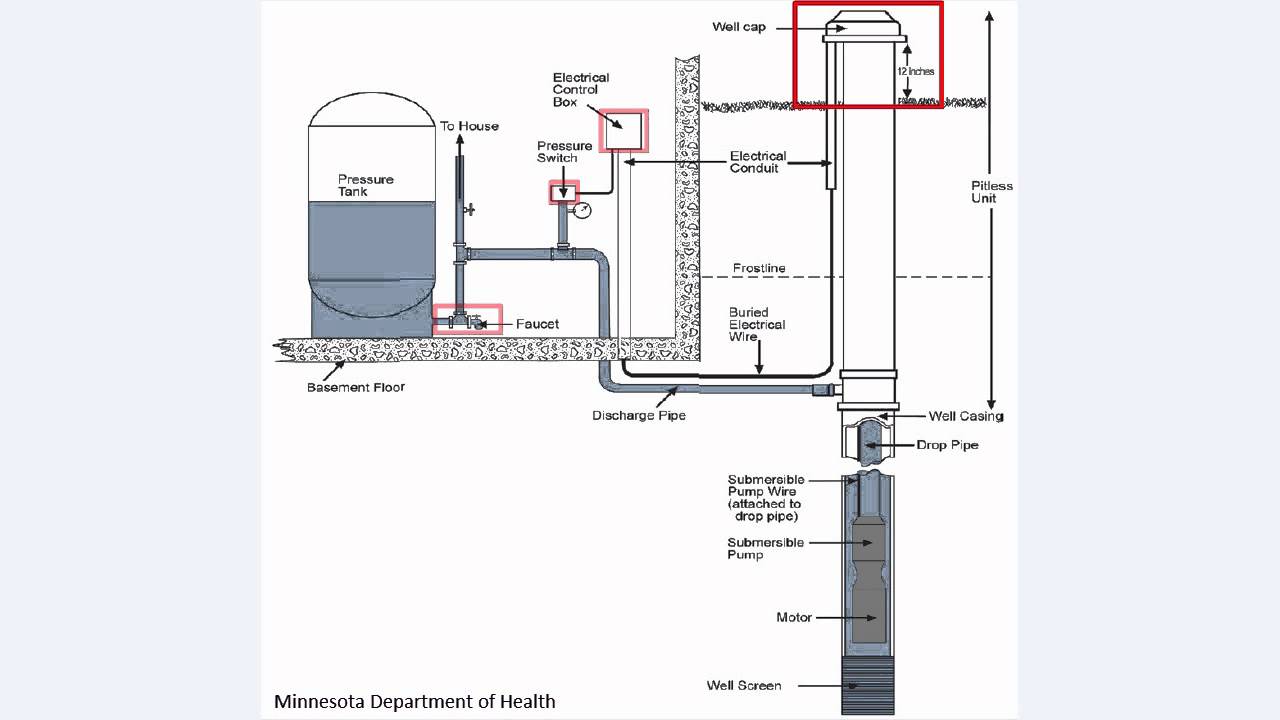 How Does My Private Well System Work? - YouTube
Once inside the pressure tank, the water is held under about 40 to 60 pounds of pressure per square inch. When you open a faucet, that pressure pushes the water out instantly—no waiting, no sputtering, just a confident flow. It’s like having a water butler on standby.
And because the water traveled through layers of natural rock and soil, it’s often packed with minerals that can make it taste amazing—like a bottled spring, but way cheaper and right in your backyard.
Why It’s Actually Fun (Yes, Really)
Owning a private well turns you into a mini water engineer with bragging rights. You get to know your local geology; you learn about rainfall patterns; you even get to “test” your water for hardness or pH—like a science fair project that never ends!
Plus, there’s the sheer joy of independence. No city water restrictions during droughts? Hello, garden hoses and sparkling clean cars! And if the power goes out? A backup generator lets you keep the water flowing while your neighbors are hauling jugs from the store. You’re essentially the neighborhood hero.
Let’s not forget the mystique: having a well means you’re tapping into something ancient. The water in your glass might have fallen as rain centuries ago, filtered through time and rock. That’s a pretty cool story to tell at your next dinner party.
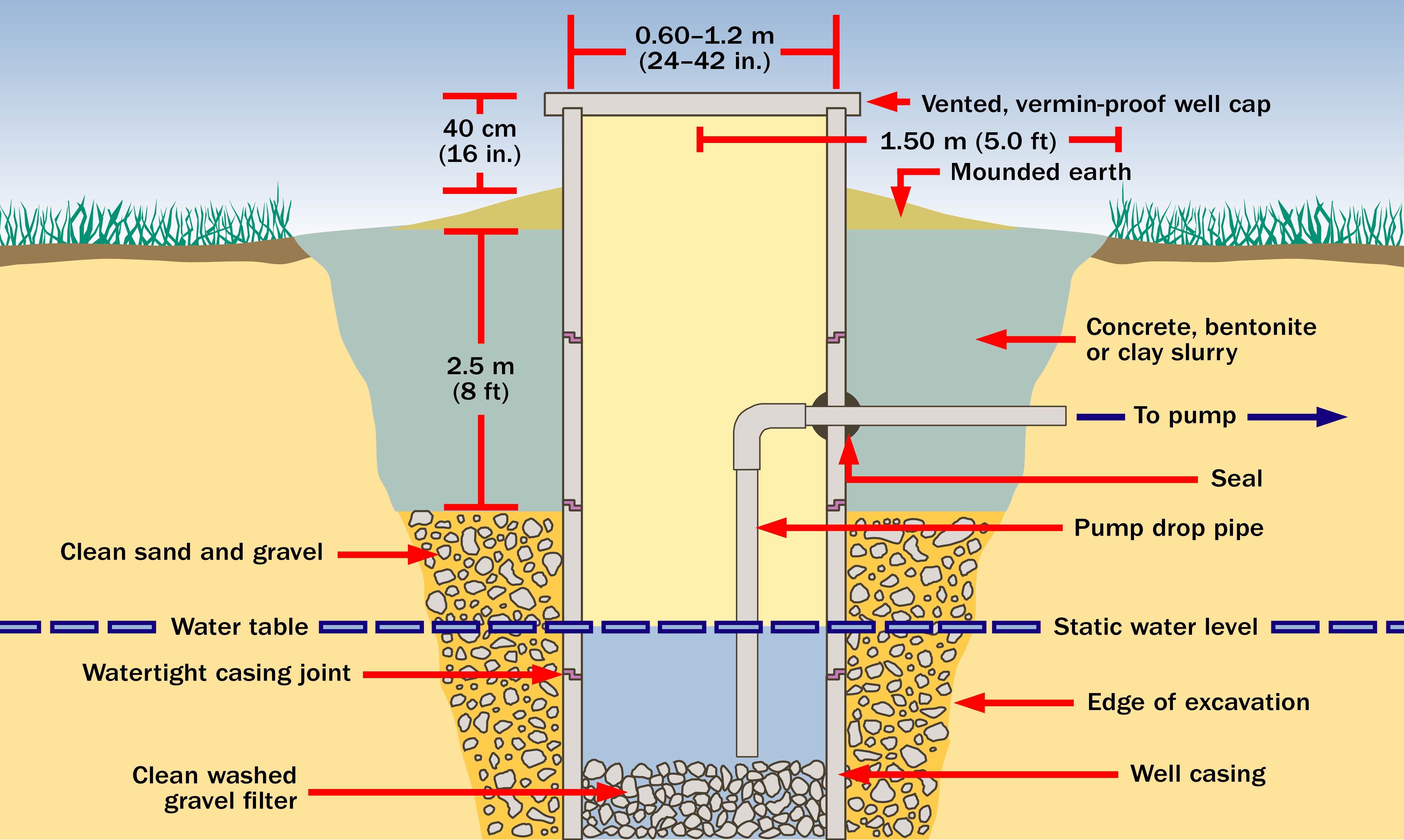 Groundwater Well And Pump
A Little TLC Goes a Long Way
Sure, wells need some love. You’ll want to test your water annually for bacteria, nitrates, and other stuff—it’s like an annual checkup for your underground friend. Also, keep an eye on the area around your wellhead; don’t pile compost or chemicals nearby.
But compared to paying a water bill every month? A few simple habits are a tiny price for a lifetime of crisp, fresh water. Think of it as a relationship—you take care of your well, and it takes care of you. Simple, honest, and deeply satisfying.
The Uplifting Note: You’re Part of the Water Cycle
So the next time you pour a glass from your tap, remember: you’re not just drinking water—you’re celebrating a partnership with the earth. Every drop that comes from your well is a tiny victory of nature, engineering, and your own curiosity.
And the best part? The adventure doesn’t end here. Once you understand how a well works, you’ll start noticing puddles, streams, and rain in a whole new light. You become a water detective, and the world becomes a more magical, interconnected place. So go ahead, turn on that faucet, and give a little cheer for the hidden reservoir that makes your life flow—one glass at a time.
Feeling inspired? Grab a notebook, look up local groundwater maps, or just taste that backyard glory. Your well is waiting to tell you its story. 🚰✨
