How Does A Bypass Valve Work

Okay, grab your mug. Let’s talk about something you probably ignored your whole life: the bypass valve. I know, I know. Sounds like something a plumber yells during a crisis....
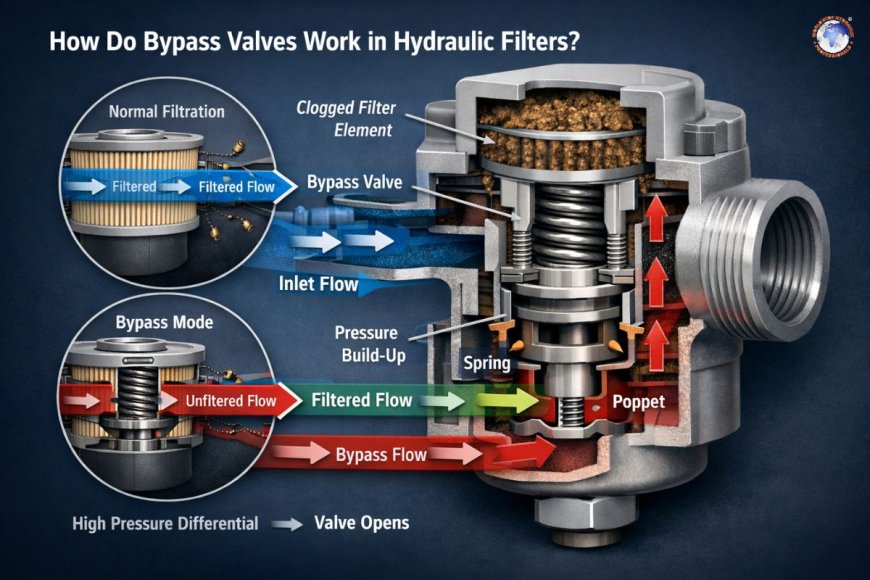
Okay, grab your mug. Let’s talk about something you probably ignored your whole life: the bypass valve.
I know, I know. Sounds like something a plumber yells during a crisis. But trust me—it’s way more fun than it sounds.
Think of a bypass valve as the cool-headed friend who steps in before a fight breaks out. It’s a simple gadget, but it saves you from a world of hurt.
Must Read
What Even Is This Thing?
Imagine you’re blasting your home heating system. Water is getting hot, pressure is building. Feels a bit tense, right?
A bypass valve is basically a tiny detour. It creates a shortcut in the pipe so some of that hot water or air can sneak away instead of causing chaos.
It’s like when you’re stuck in traffic and you take a side street. Boom—problem solved without anyone flipping out.
Where Do You Find One?
You’ve seen them, even if you didn’t know it. Under your sink? Probably. In your car’s cooling system? Absolutely.
They’re also lurking in pretty much every boiler, air conditioner, and water heater on the planet. They’re the unsung heroes of modern comfort.
Honestly, they deserve a holiday. Bypass Valve Appreciation Day should be a thing. I’d bake cookies shaped like pipes.
How Does It Actually Work?
Alright, here’s the not-so-secret secret. The valve has a little spring-loaded door inside. When everything is calm, the door stays closed.
Water or air flows along the main path like a good little traveler. No drama. No detours. Just a straight shot from Point A to Point B.
But here’s where it gets juicy. When the pressure gets too high—maybe a valve shuts somewhere, or a filter gets clogged—that spring says, “Nope, we’re out.”
The Spring Has a Breaking Point
The spring is calibrated to a specific pressure. It’s like the patience of a saint, but with limits. Once that limit is hit, the door pops open.
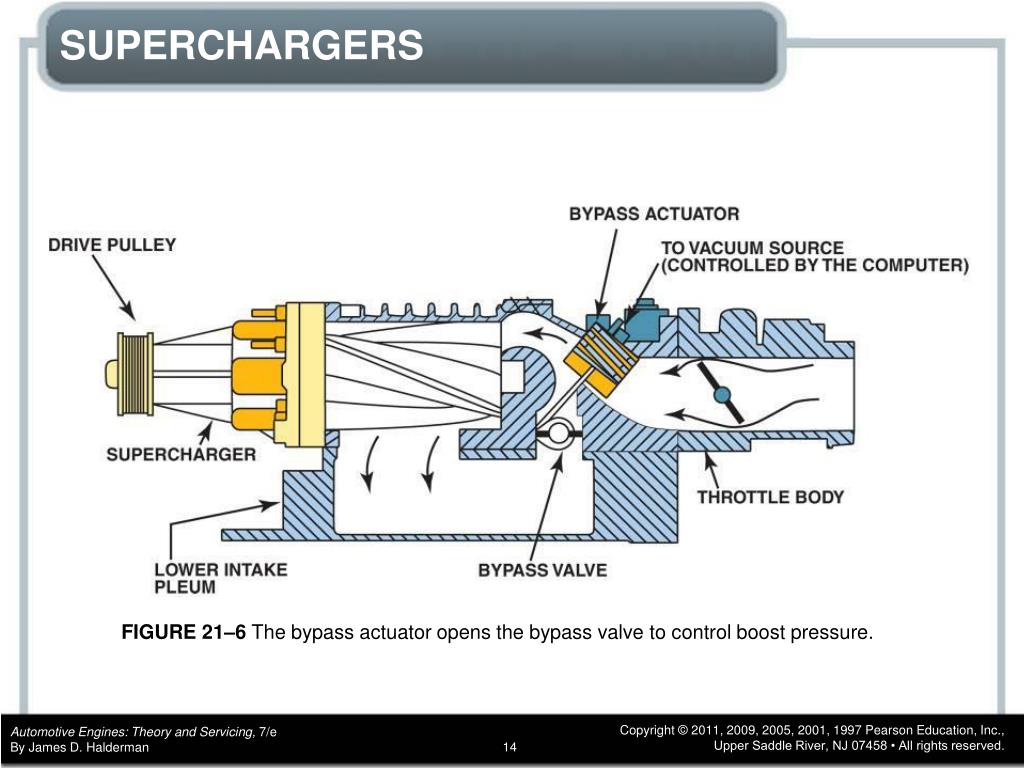 PPT - CHAPTER 21 TURBOCHARGING AND SUPERCHARGING PowerPoint
Suddenly, the fluid (or air) has a second path. It flows around the blockage instead of through it. Stress levels drop instantly.
It’s that moment when you realize you don’t have to go through the mall crowd—you can just walk around the building. Pure relief, my friend.
Real-Life Examples (Because You’re Still Wondering)
Let’s talk about your car’s engine. When you first start it on a freezing morning, the engine is cold and grumpy.
A thermostat blocks the radiator. So the coolant takes a bypass—it just circles the engine block to warm it up fast. No radiator, no drama.
Once the engine is toasty, the thermostat opens back up. The bypass valve says, “My work here is done,” and closes. Smooth as silk.
Now Let’s Go Indoors
Think about your home’s underfloor heating. You have multiple pipes running to different rooms. One room gets too hot, so a valve shuts that loop down.
Without a bypass valve, the water would have nowhere to go. Pressure would spike. Pipes would groan like they’re auditioning for a horror movie.
Instead, the bypass opens, letting the water recirculate back to the boiler. It keeps the system humming happily. You stay warm. Everyone wins.
Why You Should Care (Even If You’re Not a Plumber)
Here’s the kicker: bypass valves prevent catastrophic failure. No burst pipes. No flooded basements. No car engines that weld themselves shut.
They also save you money. By letting the system run smoothly, your boiler or pump doesn’t have to fight against blockages. Less wear and tear means fewer repair bills.
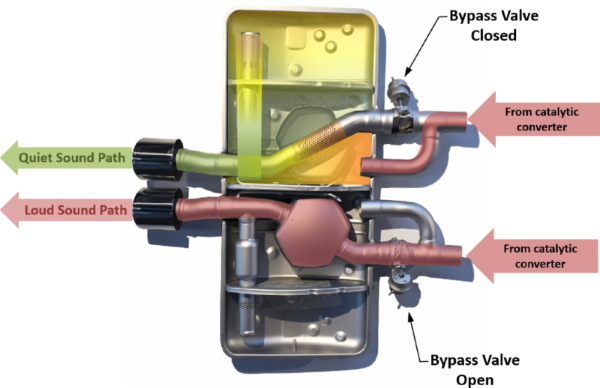 Bypass Valve Operation — Forza Componenti
I know it’s not as sexy as a new smartphone. But honestly, this is the tech that keeps your house from exploding. Respect it.
A Quick Reality Check
Not all bypass valves are the same. Some are manual (you twist a handle to open them). Some are automatic (the spring does the thinking).
Manual ones are great if you like control. Automatic ones are great if you, like me, forget everything until the alarm goes off.
Either way, they’re all doing the same thing: creating a safety net for your pipes. It’s like insurance, but way less paperwork.
So, To Sum It Up (Without Getting Preachy)
A bypass valve is a pressure safety valve with a twist. It doesn’t shut things down—it redirects them.
It says, “Okay, this path is blocked. Let’s try this one.” It’s the duct tape of the fluid world, but smarter and far more reliable.
Next time your heat kicks on or your car purrs to life, give a little nod to the bypass valve. It’s doing a thankless job, and it deserves a high five.
One Last Thought
If you ever hear a weird hissing or gurgling in your pipes, don’t panic. It might just be your bypass valve doing its thing.
Or, you know, a ghost. But probably the valve.
Either way, you’re now armed with knowledge. Go forth, impress your friends at parties. You’re welcome.
