What Is Ph Of Purified Water

Let’s be real: when you reach for a bottle of purified water, you’re probably not thinking about chemistry. You’re thinking about thirst, hydration, and maybe that satisfying...
Let’s be real: when you reach for a bottle of purified water, you’re probably not thinking about chemistry. You’re thinking about thirst, hydration, and maybe that satisfying crinkle of the plastic. But lurking behind that crystal-clear sip is a quiet little number called pH. And trust me, it’s way more interesting than high school science class made it seem.
So, What Exactly Is pH?
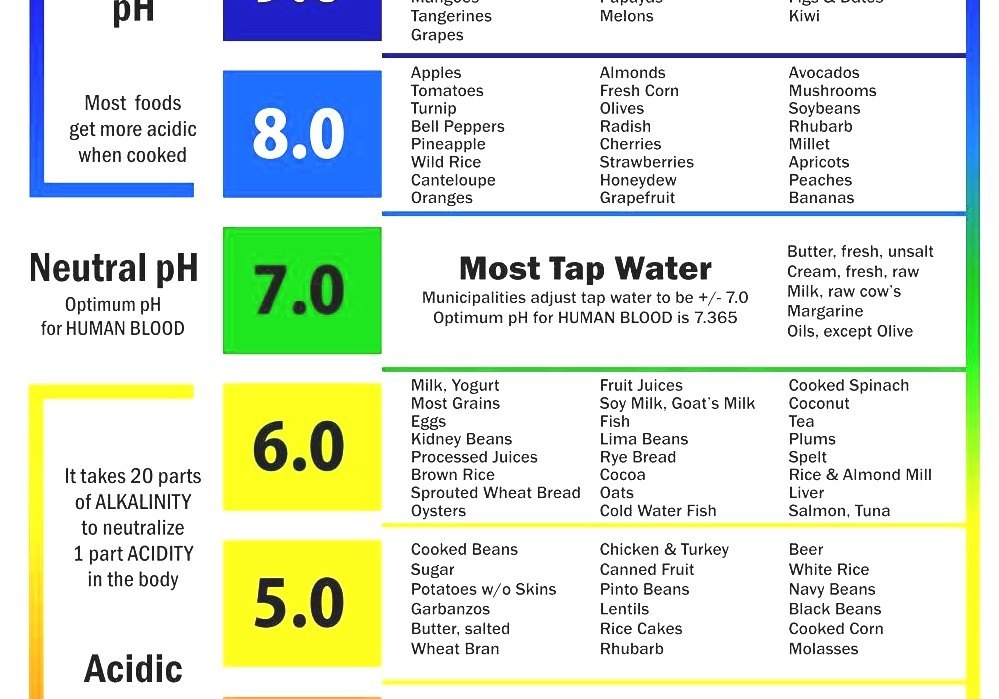
pH stands for potential of hydrogen, and it’s a scale from 0 to 14 that measures how acidic or alkaline something is. Think of it as the mood ring of liquids: 7 is neutral, below 7 is acidic (like lemon juice), and above 7 is alkaline (like baking soda). Purified water, in its purest form, sits right at 7.0—a perfect, zen-like neutrality.
But here’s where it gets sneaky. Once water is exposed to air—say, from the moment you open that bottle—it starts absorbing carbon dioxide. That tiny chemical reaction can nudge the pH down to around 6.5 or 6.8, making it slightly acidic. Don’t panic; your tap water does the same thing, and your body is a master at balancing itself.
Must Read
The Purification Backstory
Purified water goes through processes like reverse osmosis, distillation, or deionization. These methods strip away almost everything: minerals, contaminants, even that weird taste from old pipes. What’s left is H₂O in its most minimalist form, with a pH that’s as close to 7.0 as modern technology can achieve.
Fun fact: distilled water—the super-purified stuff—has a pH of exactly 7.0 the moment it’s made. But leave it in a glass for an hour, and it’ll dip slightly. It’s not a flaw; it’s just water being sociable with the air around it. Think of it as water’s version of small talk.
Why Should You Care?
Honestly, if you’re healthy, the pH of your drinking water matters about as much as the color of your straw. Your stomach has a pH around 1.5 to 3.5, which is more acidic than battery acid. A slightly acidic or neutral glass of purified water gets neutralized in seconds. Your body is a professional pH regulator—it doesn’t need your help.
That said, some wellness trends love to whisper that you need alkaline water (pH 8 or 9) to “detox” or “balance” your body. Spoiler: your kidneys and lungs handle that job 24/7, and they’re much better at it than any overpriced bottle. The real benefit of purified water? Purity, not pH.
 Good Water Ph at Jennifer Dermody blog
Curious about testing? You can grab a simple pH testing kit at a pet store (for aquariums) or buy pH strips online. Drop a strip into your purified water, wait a few seconds, and match the color. It’s surprisingly satisfying, like a mini science experiment with zero risk.
Cultural & Cool Facts
In Japan, many convenience stores sell “weakly alkaline” purified water, often marketed for post-workout recovery. It’s a cultural touchstone, but scientific studies show the benefits are mostly placebo—hydration is hydration. Meanwhile, in parts of Europe, mineral water with a naturally high pH (like 8.0 and above) is prized for its taste, not its pH number. Go figure.
Here’s a wild one: water from the famous Fijian aquifer tests at around pH 7.3, but it’s the silica and electrolytes that give it that silky mouthfeel. And let’s not forget the great “smart water” craze—purified water with added electrolytes for “taste.” The pH? Still neutral. Marketing is a powerful thing.
Practical Tips for Your Daily Sip
If you’re buying purified water, don’t stress about the pH label—just check that it’s BPA-free and from a trusted source. For home use, a simple countertop filter (like a Brita or ZeroWater) produces water that’s consistently around pH 6.5 to 7.0, which is perfectly fine for everyday drinking.
 Quick Guide to pH in Drinking Water – Tap Score
Want to nudge your water’s taste without messing with pH? Add a slice of lemon or cucumber. Lemons are acidic outside the body but have an alkalizing effect once metabolized—a neat party trick for your biology. Or just drink it as is; your taste buds will adjust in a week.
One more tip: avoid storing purified water in plastic bottles for weeks on end. The plastic can leach chemicals that slightly lower the pH and add an off-flavor. Glass or stainless steel is your friend. If you’re using reusable plastic, replace it every few months.
The Bottom Line
Purified water’s pH is a quiet, steady 7-ish, doing exactly what water should do: hydrate you without fuss. It’s not a magic elixir, nor is it a health hazard. It’s just water, stripped down to its essence, ready to be your daily companion. Treat it with respect, but don’t overthink it.
So the next time you take a sip, smile at that little pH number. It’s a reminder that sometimes the simplest things—a clean glass, clear water, a steady 7.0—are all we really need. Hydrate well, live easy, and let your body handle the rest. After all, you’ve got better things to think about than hydrogen ions.
