What Is Bpa In Water Bottles

You know that trusty plastic water bottle you’ve been refilling for the last three years? The one with the little dents from where you dropped it at the gym? Well, it might be...
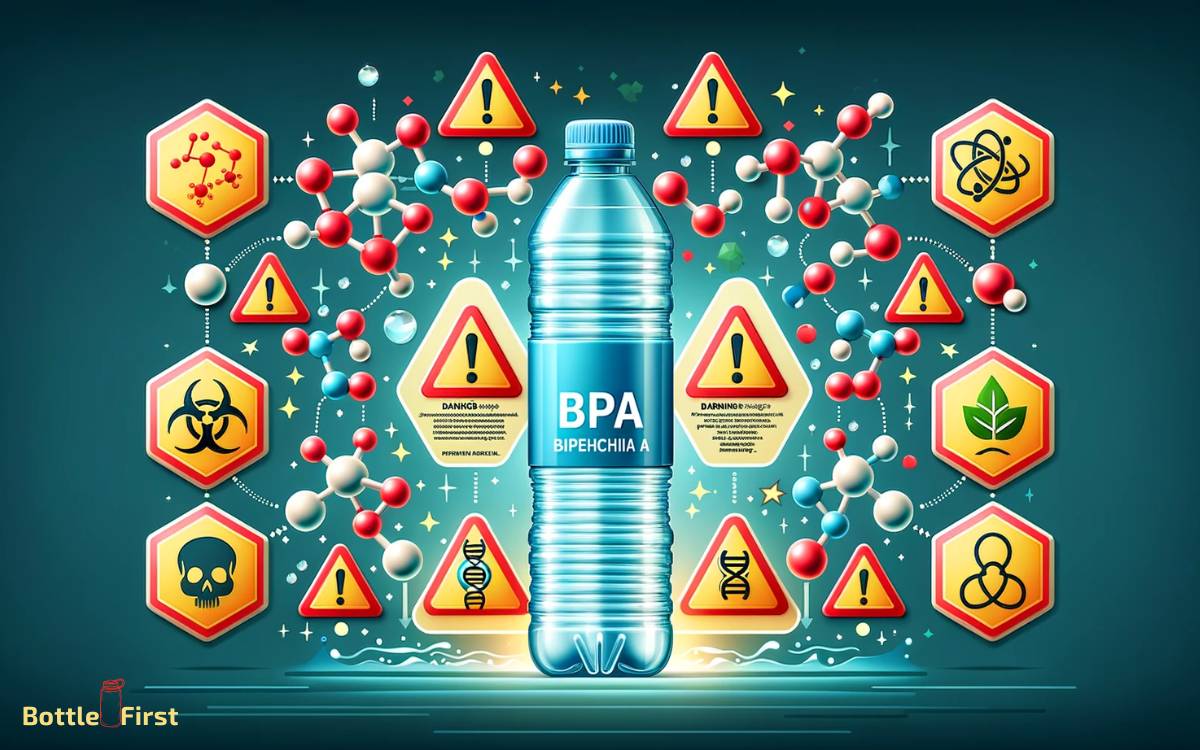
You know that trusty plastic water bottle you’ve been refilling for the last three years? The one with the little dents from where you dropped it at the gym? Well, it might be whispering a secret to you, and that secret is called BPA.
BPA stands for Bisphenol A, a chemical that’s been used for decades to make certain plastics hard and shatterproof. Think of it like the super-glue that keeps your bottle from crumbling into a pile of plastic dust. It’s in lots of things—water bottles, food containers, and even the lining of your canned soup.
But here’s the catch: when your bottle gets old, scratched, or hot, that sneaky BPA can leach into your water. It’s like when you leave a tea bag in your mug too long—except instead of flavor, you’re sipping a little bit of chemistry experiment.
Must Read
Why Should You Care? (A Little Science, But Make It Fun)
Imagine your body is a delicate orchestra. Hormones are the conductors, telling your cells when to grow, sleep, and even feel hungry. BPA is like a rowdy kid who jumps on stage and starts waving the baton wildly—it mimics estrogen and can mess with the music.
Scientists have linked high BPA exposure to things like hormone imbalances, fertility issues, and even a higher risk of certain health problems. I’m not here to scare you, but I will say this: if your water bottle is from your high school graduation and you’re now thirty, it might be time for a breakup.
Here’s a story: my friend Lisa used to swear by her old, chewed-up bottle from a 5K race. She loved its “character.” Then she left it in her car on a hot summer day—you know, the kind where the dashboard feels like a pizza oven. After one sip, she swore it tasted like plastic soup. She switched to a glass bottle the next day.
The “Is My Bottle BPA-Free?” Game
Here’s the good news: you don’t need a chemistry degree to figure this out. Flip your bottle over and look at the bottom. See that little triangle with a number inside? That’s your resin code.
 What Is BPA Free Water Bottles? A Practical Buyer's Guide
If you see a “7” or the letters “PC” (polycarbonate), that bottle might contain BPA. It’s like finding a mystery ingredient in your pantry. But if you see “1,” “2,” “4,” or “5,” you’re probably in the clear—these plastics don’t typically use that chemical.
Even easier? Check the label for the words “BPA-free.” Most bottles sold today proudly shout this from the front like a badge of honor. It’s like seeing “gluten-free” on a bag of apples—pointless but reassuring.
A Few Simple Swaps (That Won’t Make You Broke)
You don’t have to become a survivalist who drinks only from coconuts. Stainless steel bottles are fantastic—they keep your water cold, they’re tough, and they won’t leach anything weird. Plus, they look cool and don’t smell like your morning coffee from last Tuesday.
Glass bottles are another champ. Sure, they’re a little heavier, but they’re like the glass jar of cookies your grandma used—clean, pure, and endlessly reusable. Just don’t drop one on a tile floor (I learned that one the hard way).
If you stick with plastic, choose one labeled “BPA-free” and replace it every year or so. Think of it like replacing your toothbrush—cheap insurance for your health.
 What is BPA & Why It's Harmful in Water Bottles
What About the “BPA-Free” Hype?
You might have heard that some “BPA-free” plastics use replacements like BPS or BPF. And yes, those might have their own little quirks. But here’s the warm-and-fuzzy part: don’t panic. The research is still being baked, and the main takeaway is simple—use anything that isn’t scratched, warped, or older than your last haircut.
Think of your water bottle like your favorite pair of jeans. You love them, but when they get holes and frayed edges, you swap them for a fresh pair. Your body will thank you for the upgrade.
Final Sip of Wisdom
In the grand scheme of things, you’re already doing great by drinking water—that’s the real win. But if you can nudge your bottle collection toward safer materials, you’re giving your hormones a little high-five.
So next time you’re at the store, grab that shiny stainless steel or colorful Tritan (a fancy BPA-free plastic) bottle. Your future self, sipping cool water on a sunny porch, will smile and say, “Good call, past me.”
Stay hydrated, stay happy, and keep your science lesson to just one paragraph at a time. Cheers!
